10 Feb 2026
Interviews
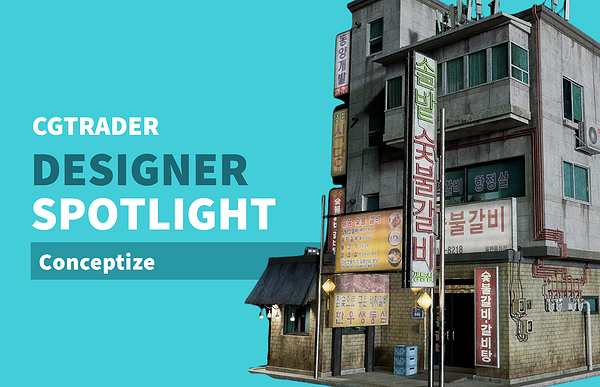
Building large-scale, story-rich urban environments usually requires big teams, long timelines, and significant budgets. But Conceptize Studio is proving that with the right process, standards, and creative discipline, a small distributed team can deliver premium 3D environments that stand up to full studio productions.
In this feature, we talk about everything from their origins in VFX to the workflows, technical decisions, and quality benchmarks that define their growing 3D asset library.
If you’ve ever wondered what separates good-looking 3D assets from ones that actually work in real pipelines, this is a story worth reading.
Conceptize began in Vancouver, Canada, after an unexpected turning point. After 12 years working in VFX, founder Guillem experienced his first layoff, and suddenly had time to reflect. As he explains, “I always had the curiosity to start my own business, so I gave it a try.”
What started as an experiment quickly became a focused vision: to build the kind of 3D asset library Guillem and his peers had always wished existed. One designed not just to look good in renders, but to hold up under real production pressure.
Today, Conceptize operates as a fully remote, international studio. Small by design, but ambitious in scope.
.webp)
Conceptize’s mission is deceptively simple: create a premium urban 3D library that works equally well for major post-production studios and independent artists.
But “premium” means more than visual fidelity. Guillem emphasises that “we maintain high quality standards not only creatively, but technically, to ensure smooth performance in real pipelines.” Every pack is built with optimisation, consistency, and cross-software compatibility in mind.
Texel density, naming conventions, shader reuse, and the details that many artists only notice once assets hit a real production environment are treated as first-class citizens from day one.
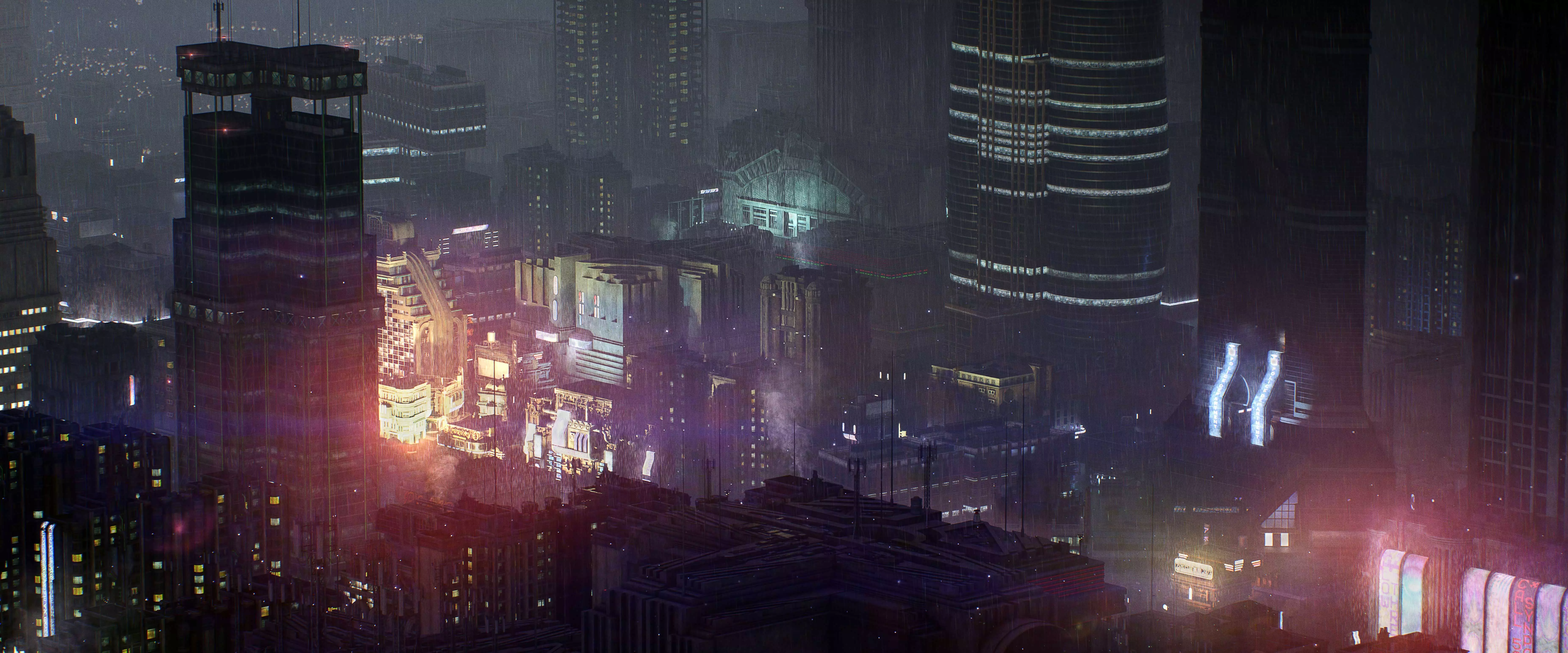
Large-scale environments like Seoul or Neo Dystopia don’t happen by accident. They’re the result of a tightly structured workflow designed to keep complexity under control.
Each pack begins with experienced concept artists, followed by detailed planning in Notion. Assets then move through modelling, texturing, look development, and final assembly across tools like Blender, Maya, and Unreal Engine, supported by internal QC systems. As Guillem notes, “we have internal tools to keep consistency on naming conventions, texture formats, UV sets, and other parameters.”
The result is hundreds of assets behaving like one cohesive system.
Inspiration at Conceptize doesn’t come from a single “aha” moment. It comes from experience.
Having spent years consuming third-party assets themselves, the team understands exactly where existing libraries fall short, and what artists actually struggle with in practice. Guillem puts it simply: “We’ve been consumers of 3D assets for many years, so we have a broad idea of industry needs.”
By paying close attention to trends in games and VFX, Conceptize designs assets that feel intentional, flexible, and grounded in real-world production demands.
Every Conceptize asset is created in-house.
While AI tools have their place, the studio sees originality as a key differentiator. Guillem explains that “AI is a great technology, but one of its disadvantages is the lack of originality. Now more than ever, making new models is where the real value lies.”
Designing everything from scratch also gives clients peace of mind. Every asset is original, with zero risk of copyright or IP issues, something that matters deeply to studios working at scale.
For Conceptize, quality is a balance between two equally important forces.
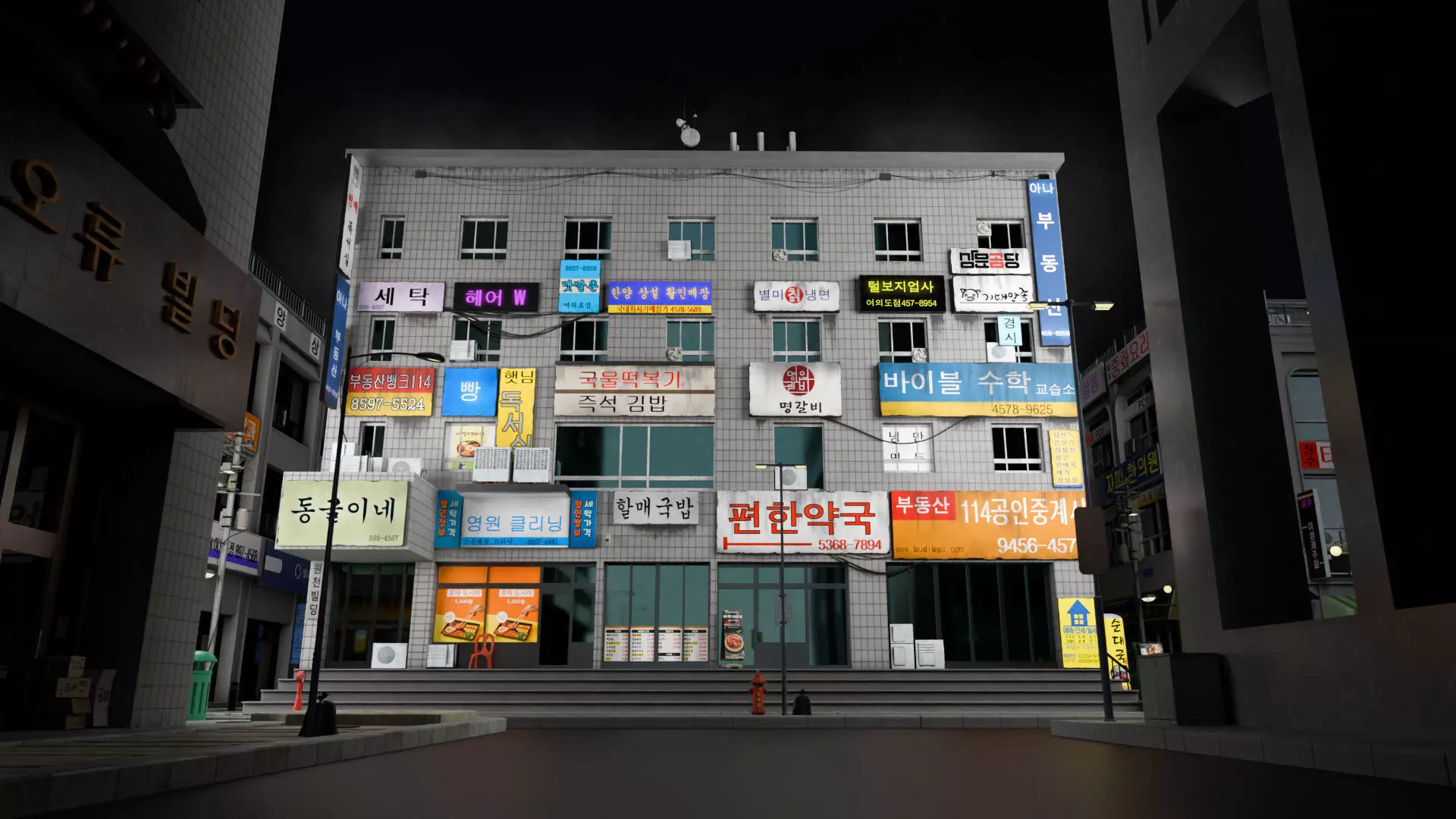
On the creative side, it means intricate modelling, accurate texturing, cohesive scale, and assets that feel like they carry history. Guillem often describes quality as assets that “feel like they have a story, like they belong to an environment.”
On the technical side, quality means clean topology, optimised shaders, consistent texel density, and predictable behaviour across different software. Both sides are treated with equal importance.
Each project has pushed the studio in different ways.
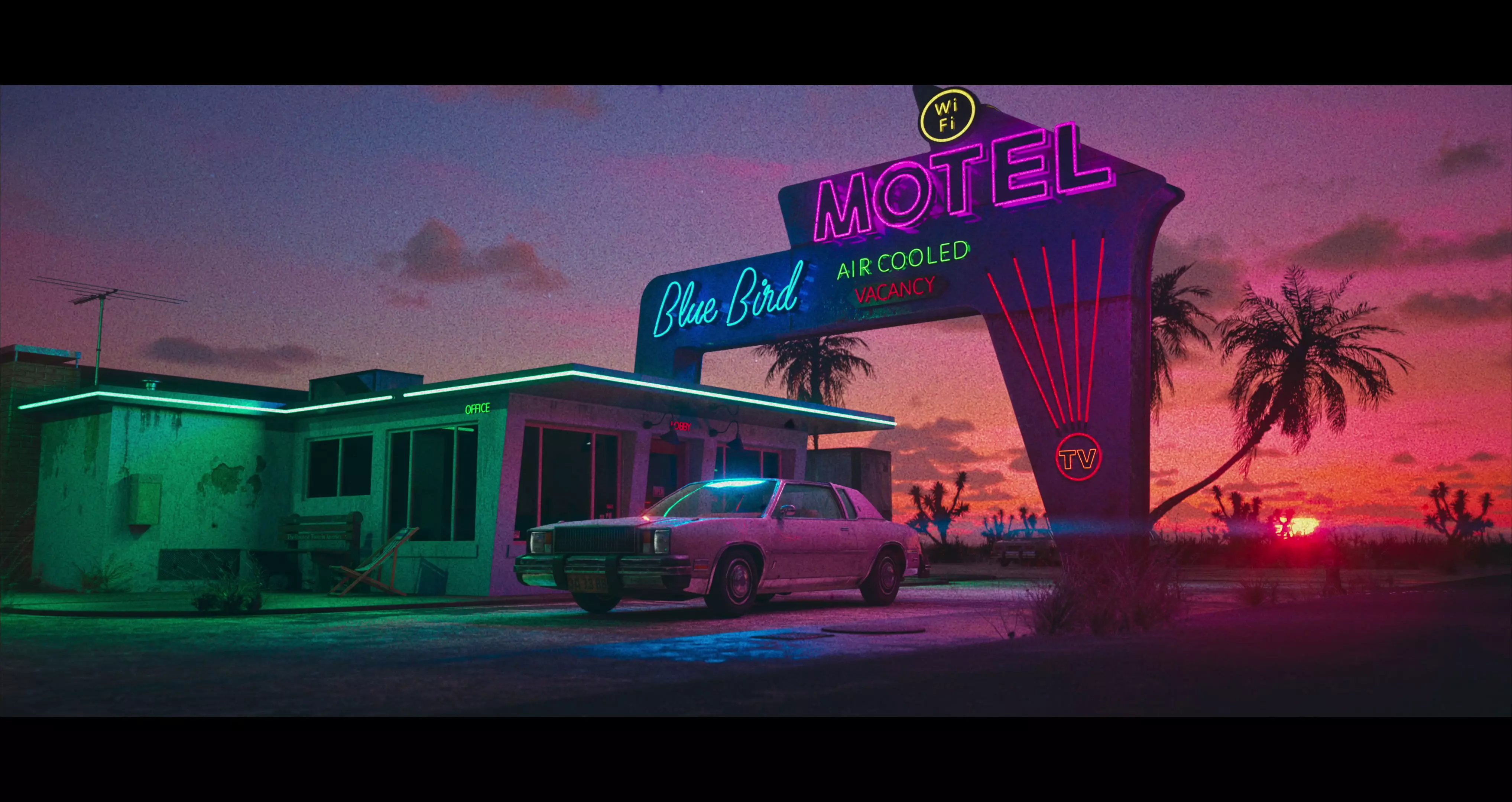
Neo Dystopia challenged the team to optimise shaders at scale across dense sci-fi environments. Seoul required deep cultural accuracy, including Korean typography and signage, which led to collaboration with Korean artists. Small Town America tested optimisation across a huge number of buildings, while the Art Deco pack, though smaller, laid the foundation for many of the internal QC tools Conceptize still uses today.
Every pack left the studio stronger than before.

The team is currently working on a highly detailed hero asset pack, continuing their focus on originality, depth, and production-ready quality.
And this is just the beginning.
If you’re looking for premium, handcrafted 3D assets designed with real production pipelines in mind, Conceptize’s growing library is well worth exploring.
Discover Conceptize’s full collection and upcoming releases on CGTrader.
We regularly spotlight standout artists and studios from the CGTrader community.
If you’d like to be featured in an upcoming story, drop a comment below and we’ll get in touch.



Comments