In the damp passages beneath old stone foundations, miners used to hear a soft scraping long before they saw anything move. The sound came from somewhere above them, then behind them, then from inside the walls. By the time the creature appeared, curled and hanging like a living hook, its feathery mouthparts were already tasting the air.
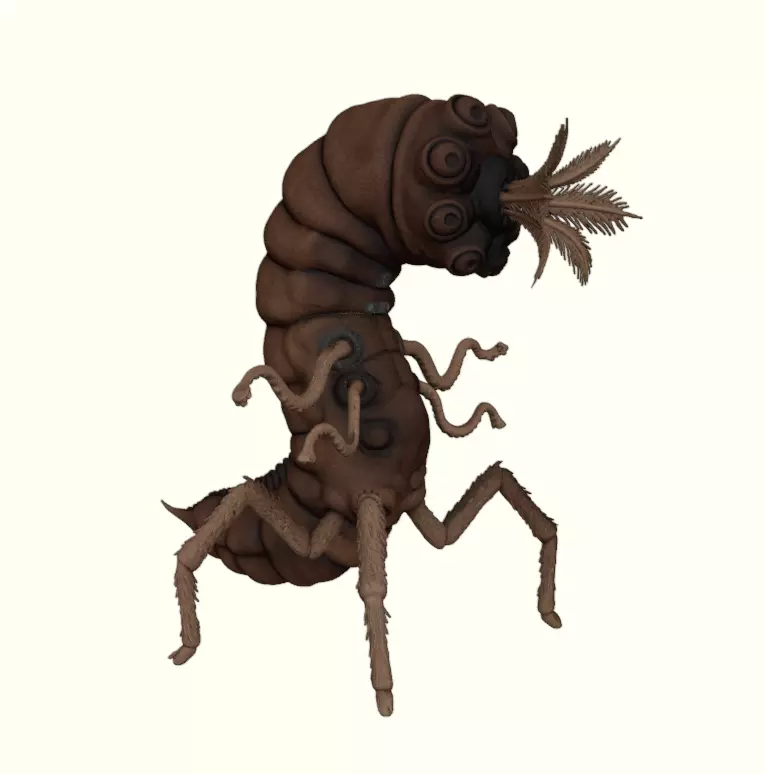
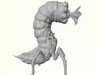
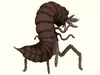
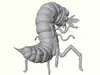
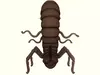
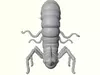
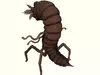
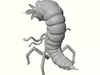
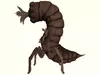
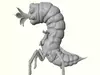
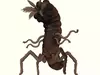
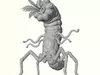
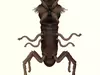
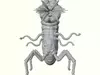
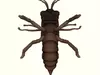
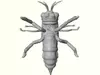
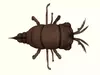
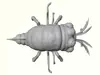
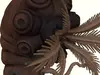
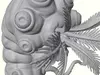
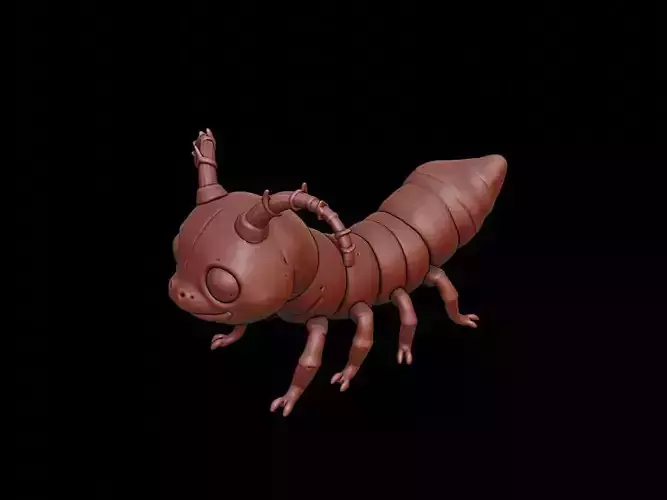
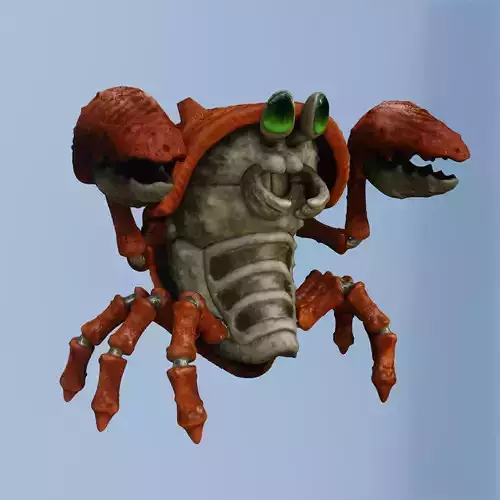
This model depicts a strange insectoid larva with a curved segmented body, thin jointed legs, small side tendrils, and a cluster of feather-like sensory appendages near the mouth. The body arches upward in a tense C-shape, giving the creature a crawling, probing silhouette that works well for horror scenes, tunnel encounters, alien nests, and underground dioramas. The rounded segments create a heavy organic mass, while the thin legs and front feelers add an unsettling sense of movement.
The sculpt includes a mix of soft larval forms and sharper insect details. Raised body rings, small circular pores, curled side appendages, hairy leg surfaces, and the delicate front plume give painters several surface types to work with. It can be painted as a cave parasite, alien grub, mutated insect, or fantasy dungeon creature. The model’s pose is compact enough for tabletop use while still having a distinctive profile from the side and back.
This model is based on an original concept and design. The initial 3D form was generated with the assistance of AI tools, after which it was extensively refined and manually detailed in Blender and other 3D editing software. This workflow ensures the figure maintains its unique character and meets the standards of precision, structure, and print-readiness required for high-quality 3D printing.
Please note that the model is primarily designed for textured versions (OBJ + MTL in ZIP archive), allowing for a rich and visually detailed result when used with color-supported 3D printing or digital rendering. The non-textured version (STL, 3MF) may lack some surface details visible in the textured formats. The formats included are STL, OBJ, MTL, 3MF, FBX, and BLEND inside a ZIP archive.
Technical features and printing recommendationsRecommended print technologyResin printers for the best results on feather-like mouthparts, tendrils, pores, and leg hair.FDM printers can work at larger sizes, with careful supports for the raised body and thin appendages.Suggested resin settingsLayer height: 0.03–0.05 mmOrientation: slight side tilt to protect the front plume and reduce suction under the curved bodySupports: medium supports under the raised body, legs, tendrils, tail tip, and mouthpartsHollowing: optional for large display prints, with 2–3 mm wall thickness and drain holes hidden under the lower bodySuggested FDM settingsLayer height: 0.12–0.16 mm with a 0.4 mm nozzleWalls: 2–3 perimeters, infill 12–18%Supports: required for the arched body, legs, tendrils, and front sensory plumeMaterial: PLA for easier printing, PETG for stronger legs and tipsRecommended size and print estimatesRecommended height: 90–130 mm for tabletop use, or 150–190 mm for displaySupports: requiredMinimum print time: 420 minutesMaterial estimate at about 120 mm height: Resin 70–130 g or Filament 90–160 g, depending on hollowing and infill
Scaling Note: This model is designed in millimeters (mm). If it appears too small when imported into your slicer, ensure your software is set to mm units. If needed, scale the model up 100x if the slicer defaults to meters instead.