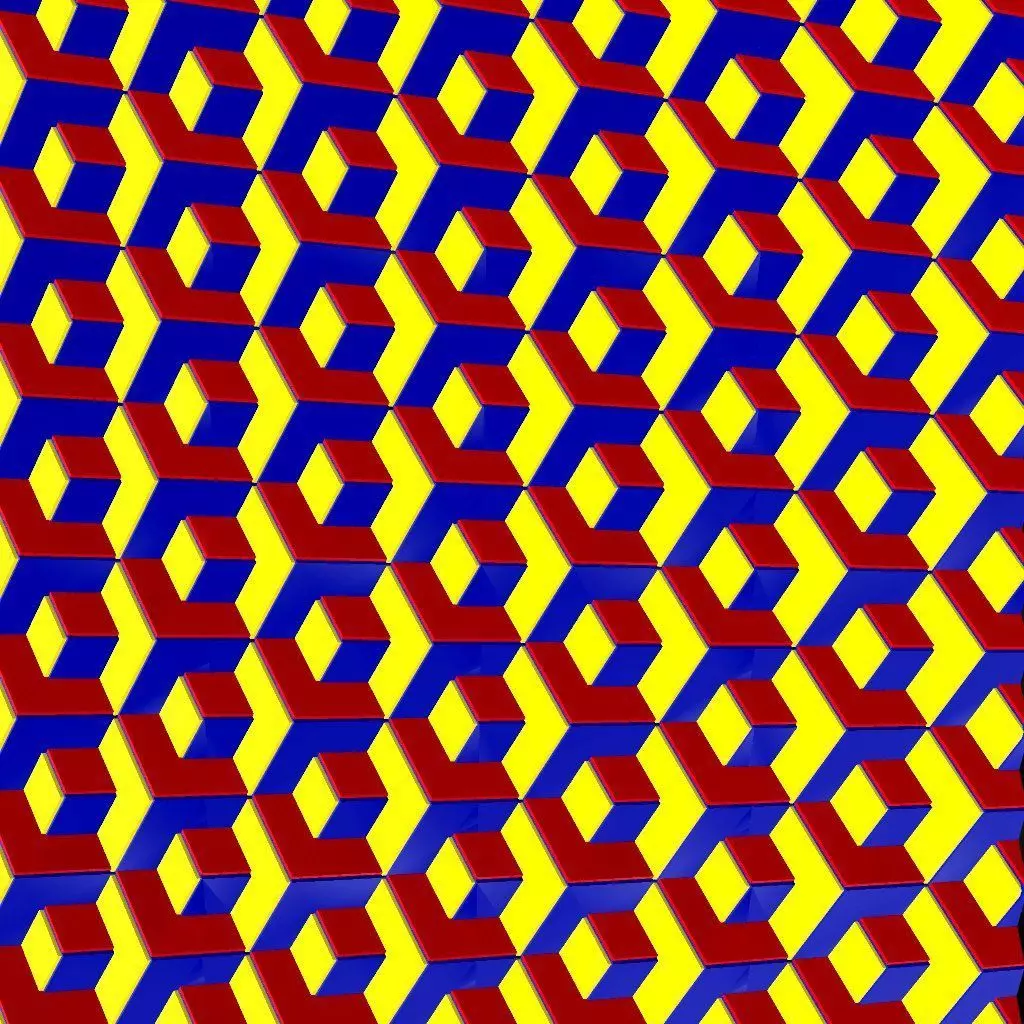
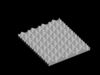
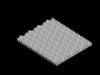
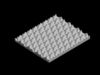
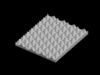
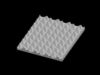
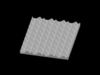
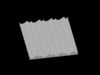
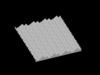
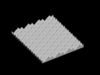
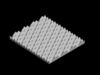
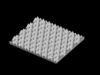
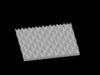
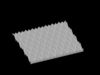
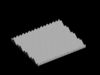
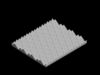
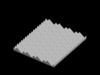
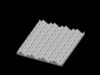
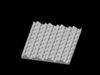
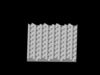
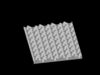
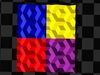
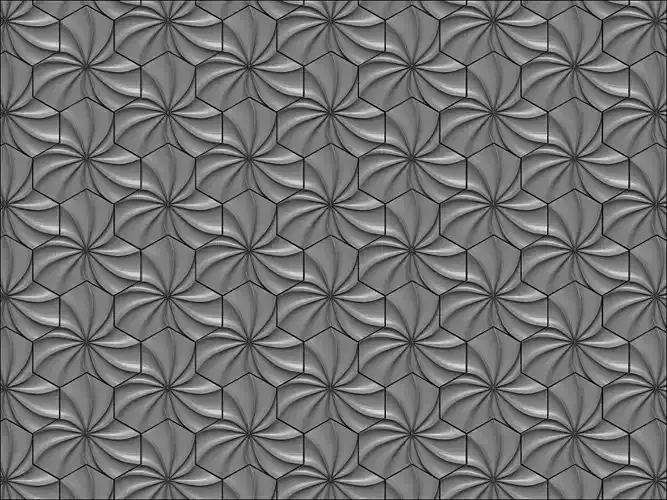
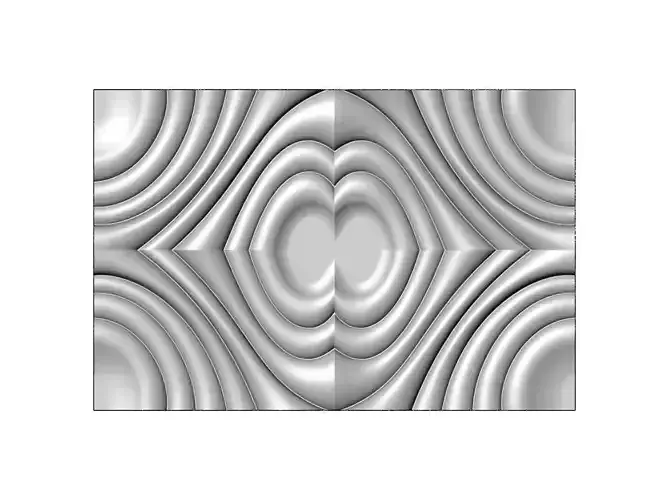
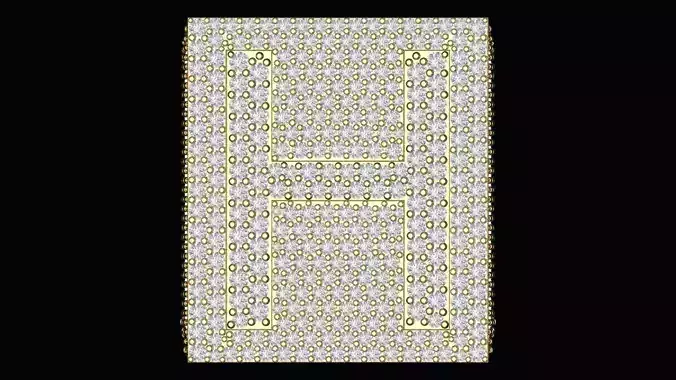
which creates when viewed from top a kind of optical illusionthis object can be stacked in X and Y directionThe overside or up-side of a flat object such as a table, or of a liquidWithin visual perception, an optical illusion (also called a visual illusion[2]) is an illusion caused by the visual system and characterized by a visual percept that arguably appears to differ from reality. Illusions come in a wide variety; their categorization is difficult because the underlying cause is often not clear[3] but a classification[1][4] proposed by Richard Gregory is useful as an orientation. According to that, there are three main classes: physical, physiological, and cognitive illusions, and in each class there are four kinds: Ambiguities, distortions, paradoxes, and fictions.[4] A classical example for a physical distortion would be the apparent bending of a stick half immerged in water; an example for a physiological paradox is the motion aftereffect (where, despite movement, position remains unchanged).[4] An example for a physiological fiction is an afterimage.[4] Three typical cognitive distortions are the Ponzo, Poggendorff, and Müller-Lyer illusion.[4] Physical illusions are caused by the physical environment, e.g. by the optical properties of water.[4] Physiological illusions arise in the eye or the visual pathway, e.g. from the effects of excessive stimulation of a specific receptor type.[4] Cognitive visual illusions are the result of unconscious inferences and are perhaps those most widely known.[4]llusions can be based on an individual's ability to see in three dimensions even though the image hitting the retina is only two dimensional. The Ponzo illusion is an example of an illusion which uses monocular cues of depth perception to fool the eye. But even with two-dimensional images, the brain exaggerates vertical distances when compared with horizontal distances, as in the vertical-horizontal illusion where the two lines are exactly the same length.
In the Ponzo illusion the converging parallel lines tell the brain that the image higher in the visual field is farther away, therefore, the brain perceives the image to be larger, although the two images hitting the retina are the same size. The optical illusion seen in a diorama/false perspective also exploits assumptions based on monocular cues of depth perception. The M.C. Escher painting Waterfall exploits rules of depth and proximity and our understanding of the physical world to create an illusion. Like depth perception, motion perception is responsible for a number of sensory illusions. Film animation is based on the illusion that the brain perceives a series of slightly varied images produced in rapid succession as a moving picture. Likewise, when we are moving, as we would be while riding in a vehicle, stable surrounding objects may appear to move. We may also perceive a large object, like an airplane, to move more slowly than smaller objects, like a car, although the larger object is actually moving faster. The phi phenomenon is yet another example of how the brain perceives motion, which is most often created by blinking lights in close succession. geometricdesigntexturepatterncubicoptical-illusionmosaicgeometric-shapestackableartmathematicalmathematical-artabstractpanelling