High-quality 3D assets at affordable prices — trusted by designers, engineers, and creators worldwide. Made with care to be versatile, accessible, and ready for your pipeline.
Included File Formats
This model is provided in 14 widely supported formats, ensuring maximum compatibility:
• - FBX (.fbx) – Standard format for most 3D software and pipelines
• - OBJ + MTL (.obj, .mtl) – Wavefront format, widely used and compatible
• - STL (.stl) – Exported mesh geometry; may be suitable for 3D printing with adjustments
• - STEP (.step, .stp) – CAD format using NURBS surfaces
• - IGES (.iges, .igs) – Common format for CAD/CAM and engineering workflows (NURBS)
• - SAT (.sat) – ACIS solid model format (NURBS)
• - DAE (.dae) – Collada format for 3D applications and animations
• - glTF (.glb) – Modern, lightweight format for web, AR, and real-time engines
• - 3DS (.3ds) – Legacy format with broad software support
• - 3ds Max (.max) – Provided for 3ds Max users
• - Blender (.blend) – Provided for Blender users
• - SketchUp (.skp) – Compatible with all SketchUp versions
• - AutoCAD (.dwg) – Suitable for technical and architectural workflows
• - Rhino (.3dm) – Provided for Rhino users
Model Info
• - All files are checked and tested for integrity and correct content
• - Geometry uses real-world scale; model resolution varies depending on the product (high or low poly)
• • - Scene setup and mesh structure may vary depending on model complexity
• - Rendered using Luxion KeyShot
• - Affordable price with professional detailing
Buy with confidence. Quality and compatibility guaranteed.
If you have any questions about the file formats, feel free to send us a message — we're happy to assist you!
Sincerely,
SURF3D
Trusted source for professional and affordable 3D models.
More Information About 3D Model :
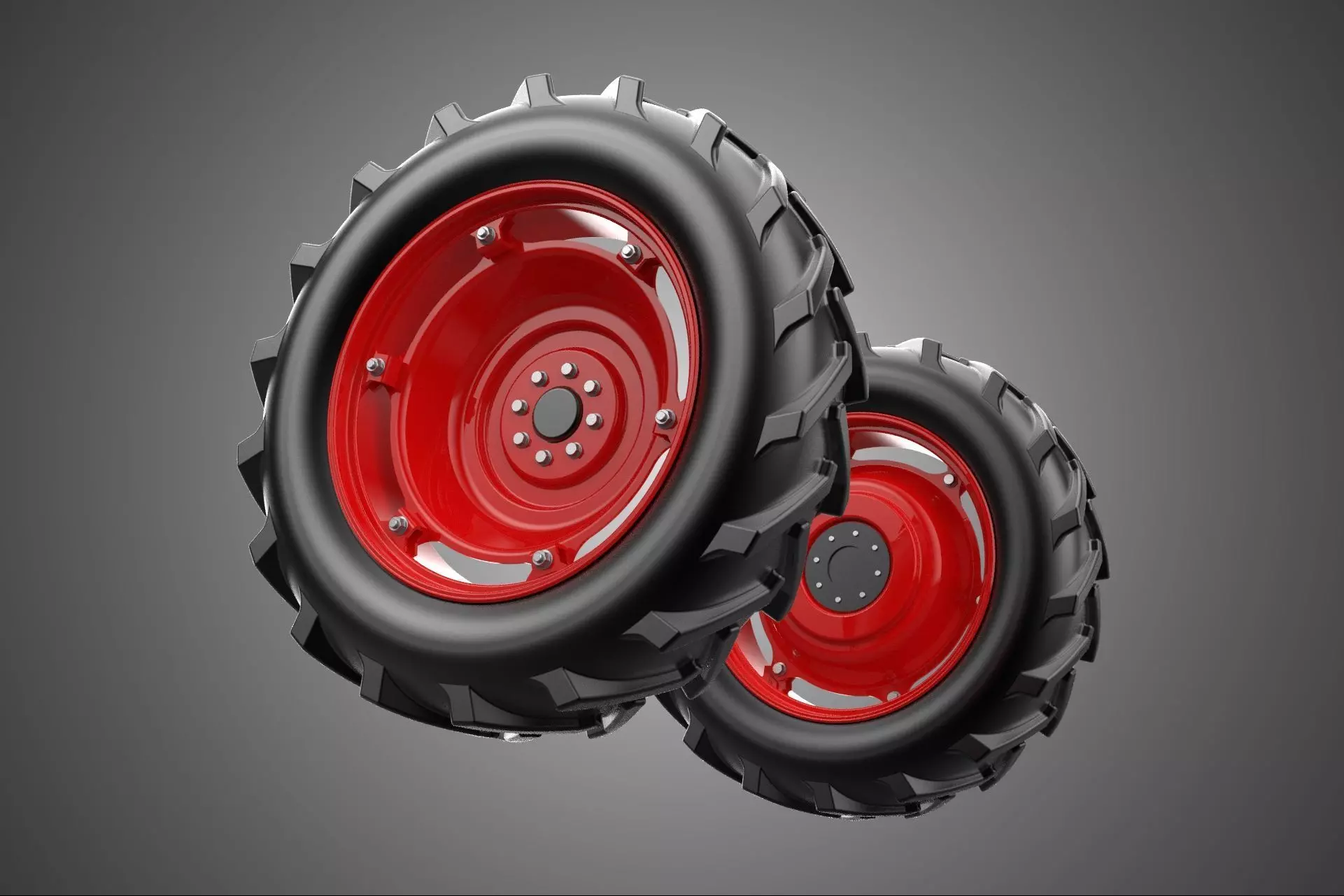
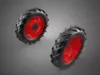
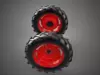
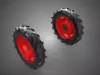
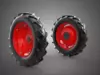
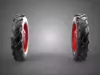
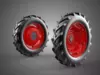
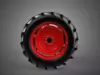
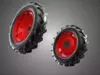
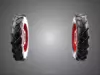
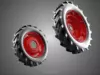
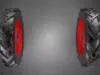
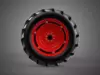
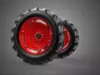
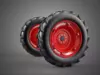
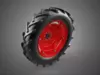
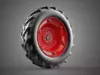
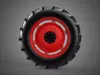
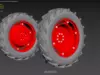
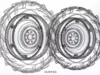
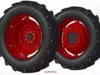
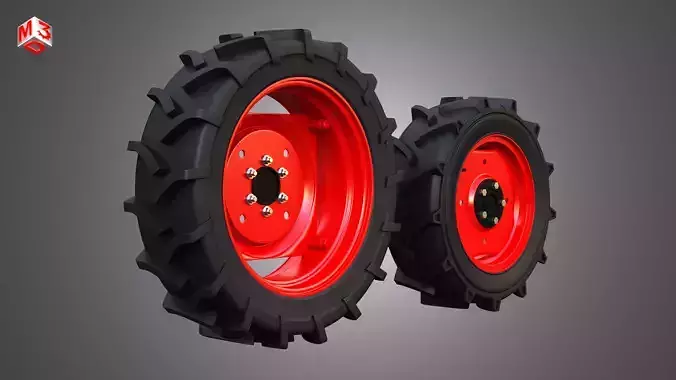
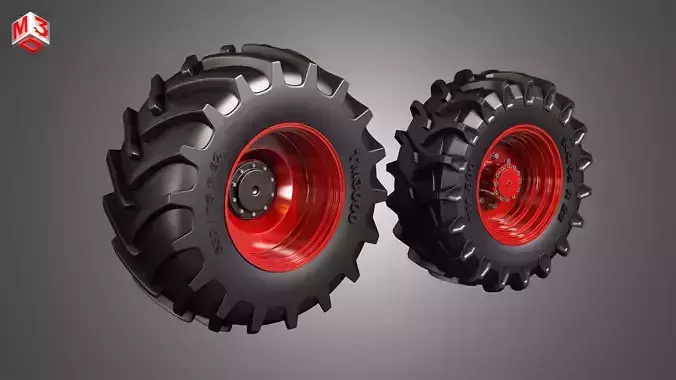
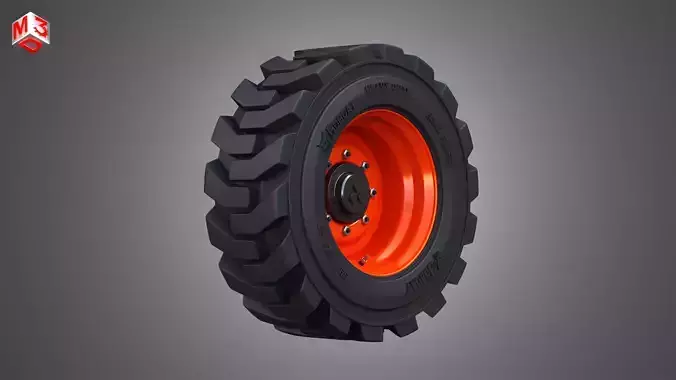
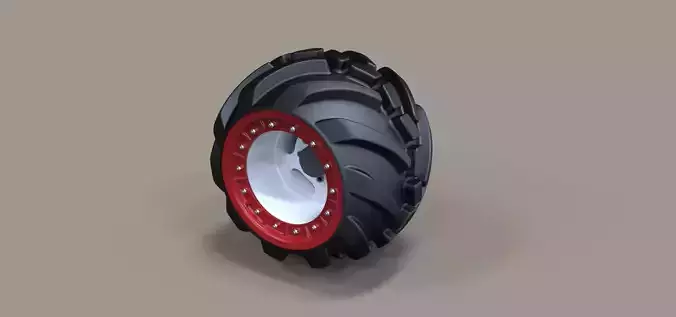
The subject is an intricate and specialized wheel assembly designed specifically for agricultural applications, most notably heavy-duty tractors. This assembly is engineered to maximize traction, minimize soil compaction (flotation), and sustain significant dynamic and static loads encountered during fieldwork. The designation RED refers specifically to the ferric components—the rim and/or the wheel disc—which are coated in a high-durability enamel or powder coating, a common identifier for specific manufacturers (e.g., certain Case IH, Massey Ferguson, or vintage equipment) or for protective purposes.
Nomenclature and Component Integration
The assembly comprises three primary integrated structural components:
- The Tire (Tyre): The pneumatic outer covering, composed of resilient natural and synthetic rubber compounds, fabric plies (casing), and steel belts (in radial configurations).
- Tread and Lug: The functional surface of the tire is defined by the tread pattern, characterized by deep, angled lugs (often V-shaped or chevron patterns). These lugs are engineered to achieve high coefficient of friction in challenging substrates like loose soil, mud, and stubble. Standard agricultural traction treads are classified by the Rubber Manufacturers Association (RMA) R-designations, primarily R-1 (standard depth) or R-2 (extra deep for wet/paddy conditions). The geometry of the lug facilitates critical self-cleaning action, shedding soil during rotation to maintain optimal grip.
- Rubber: The compound formula prioritizes wear resistance, UV stability, and flexibility to conform to uneven terrain while resisting punctures and chemical degradation from fertilizers or pesticides.
- The Rim: The metallic component (typically steel) upon which the tire is seated. The rim provides the necessary airtight sealing surface for the tire bead and transmits loads from the tire to the central disc. The term SIT RIM emphasizes the secure seating and retention of the tire’s bead, critical for maintaining pressure and preventing slippage under high torque. Rims must be robustly constructed to endure repeated shock loading and internal pressure forces.
- The Disc and Hub: The disc (sometimes called the spider) is the structural link connecting the rim radially to the center. It typically features a standardized bolt pattern for mounting onto the tractor’s axle hub. The hub secures the entire assembly to the axle, facilitating torque transfer and bearing the axial and radial loads.
### Functional Engineering and Application
Tractor wheel assemblies are typically larger in diameter and width than standard vehicle tires to distribute weight over a greater surface area, thereby minimizing ground pressure and soil compaction—a key concern in modern agriculture. The large diameter also increases the rolling radius, providing mechanical advantage for increased torque and higher ground clearance.
The structure is often designed to accommodate ballast (either liquid in the tire or weights bolted to the disc) to increase the overall mass on the driven wheels, enhancing the transfer of engine torque into effective traction, especially crucial during demanding operations like plowing or deep tillage. The RED designation, when applied to the disc or rim, serves as a visual identifier linked to equipment livery standards, ensuring consistency and brand recognition within the agricultural machinery landscape.
***
KEYWORDS: Tractor, Agricultural, Wheel Assembly, Tire, Tyre, Lug, Tread, Rim, Disc, Hub, Rubber, Traction, R-1, R-2, Flotation, Soil Compaction, Load Bearing, Pneumatic, Axial Load, Radial Ply, Bias Ply, Steel Rim, Self-Cleaning, Agricultural Engineering, Ballast, Torque Transfer, Farm Equipment, Component, Red Paint, Durability.