High-quality 3D assets at affordable prices — trusted by designers, engineers, and creators worldwide. Made with care to be versatile, accessible, and ready for your pipeline.
Included File Formats
This model is provided in 14 widely supported formats, ensuring maximum compatibility:
• - FBX (.fbx) – Standard format for most 3D software and pipelines
• - OBJ + MTL (.obj, .mtl) – Wavefront format, widely used and compatible
• - STL (.stl) – Exported mesh geometry; may be suitable for 3D printing with adjustments
• - STEP (.step, .stp) – CAD format using NURBS surfaces
• - IGES (.iges, .igs) – Common format for CAD/CAM and engineering workflows (NURBS)
• - SAT (.sat) – ACIS solid model format (NURBS)
• - DAE (.dae) – Collada format for 3D applications and animations
• - glTF (.glb) – Modern, lightweight format for web, AR, and real-time engines
• - 3DS (.3ds) – Legacy format with broad software support
• - 3ds Max (.max) – Provided for 3ds Max users
• - Blender (.blend) – Provided for Blender users
• - SketchUp (.skp) – Compatible with all SketchUp versions
• - AutoCAD (.dwg) – Suitable for technical and architectural workflows
• - Rhino (.3dm) – Provided for Rhino users
Model Info
• - All files are checked and tested for integrity and correct content
• - Geometry uses real-world scale; model resolution varies depending on the product (high or low poly)
• • - Scene setup and mesh structure may vary depending on model complexity
• - Rendered using Luxion KeyShot
• - Affordable price with professional detailing
Buy with confidence. Quality and compatibility guaranteed.
If you have any questions about the file formats, feel free to send us a message — we're happy to assist you!
Sincerely,
SURF3D
Trusted source for professional and affordable 3D models.
More Information About 3D Model :
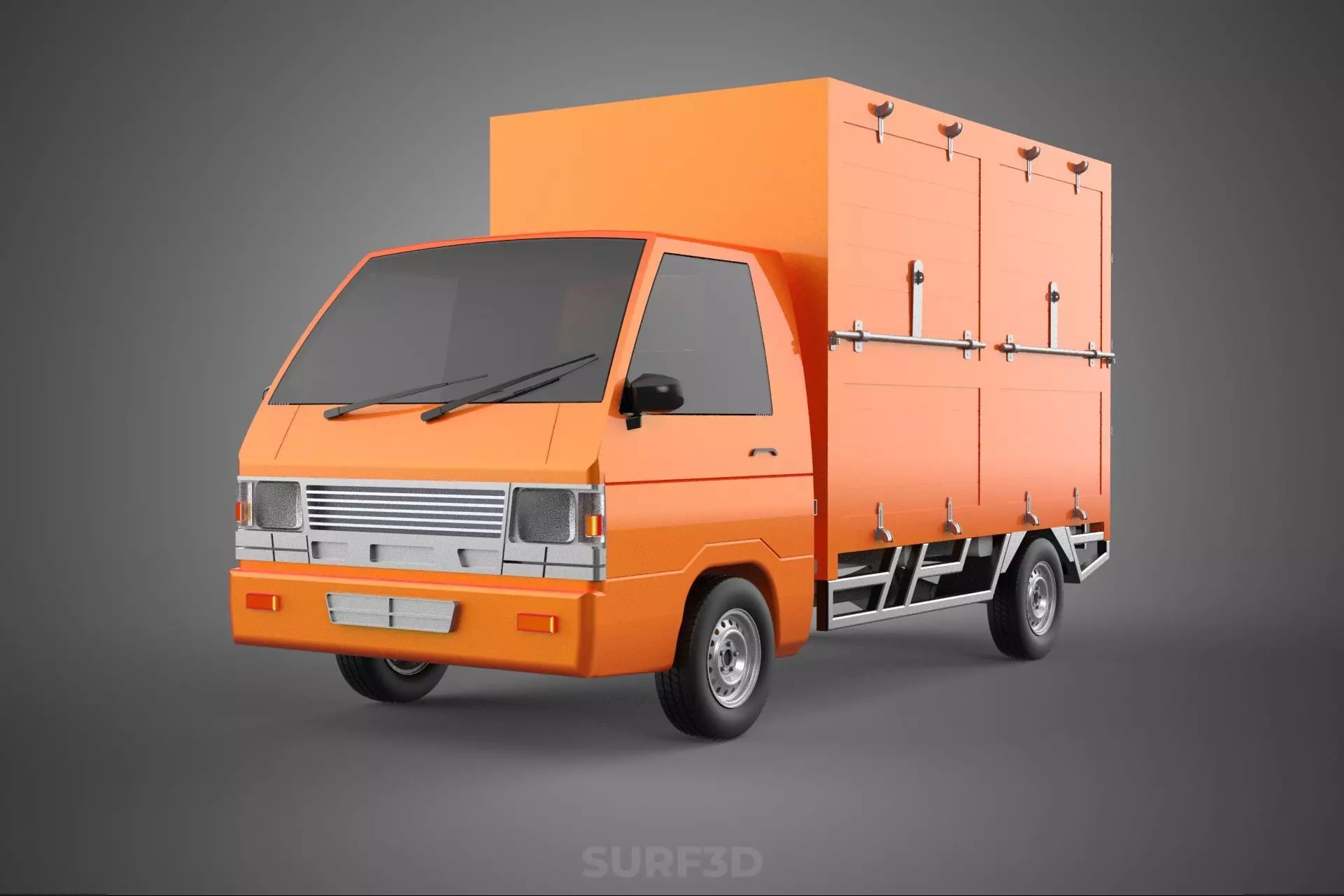
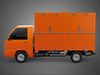
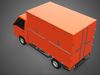
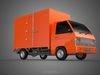
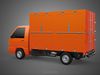
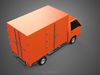
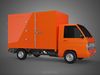
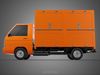
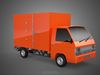
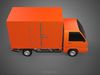
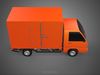
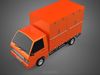
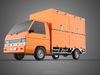
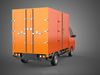
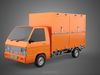
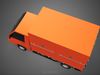
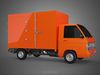
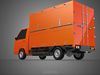
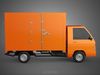
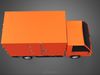
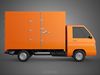
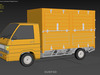
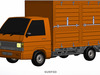
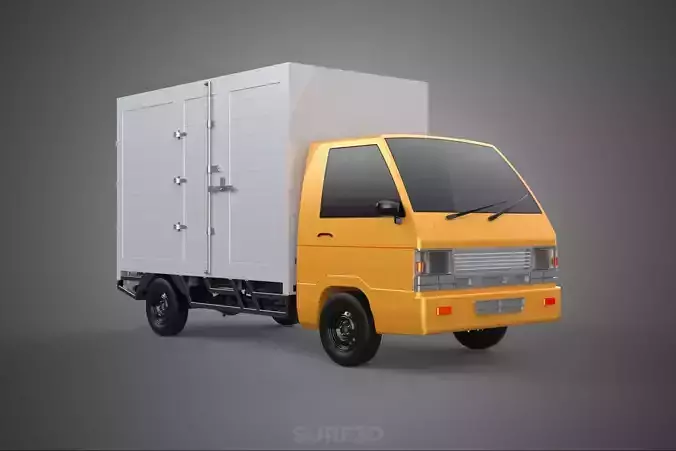
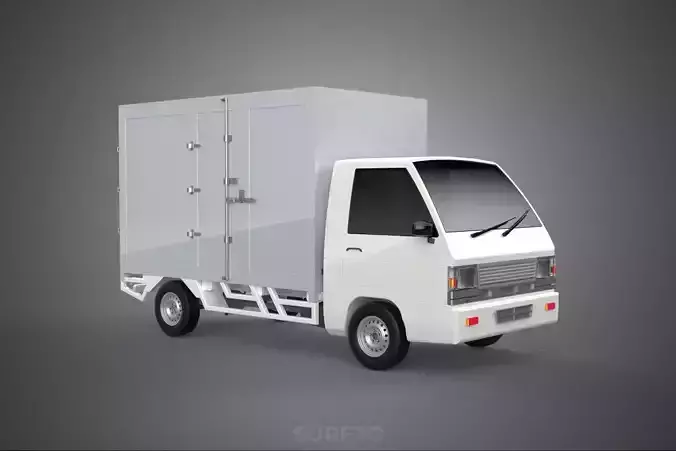
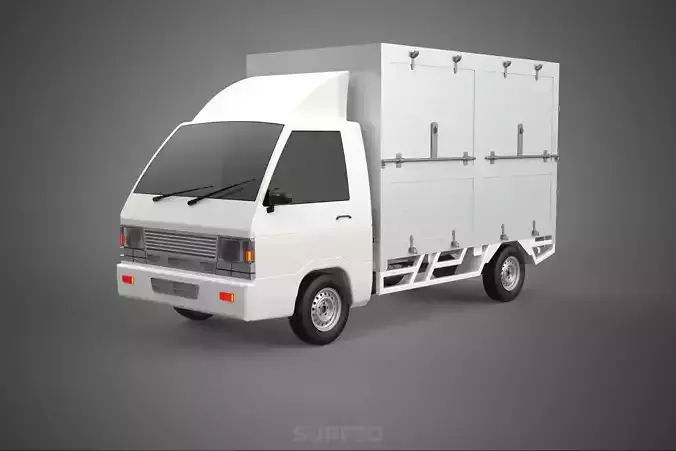
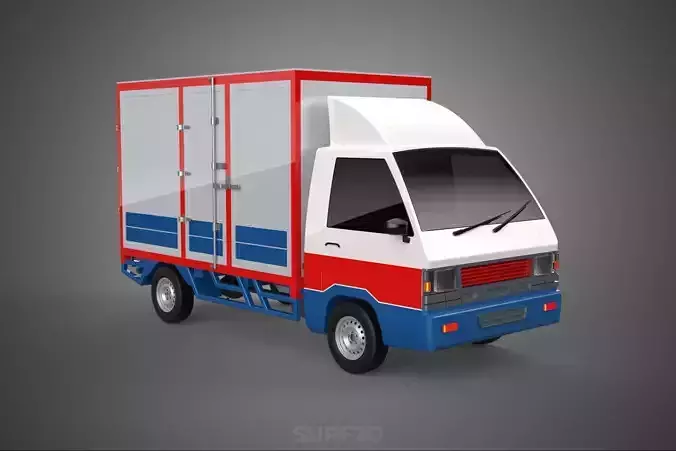
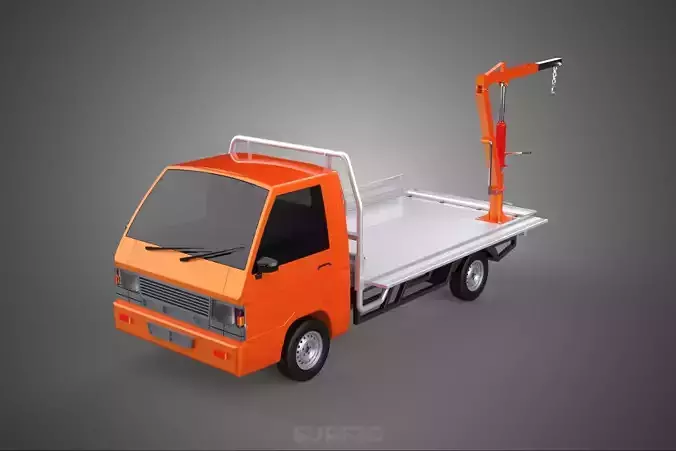
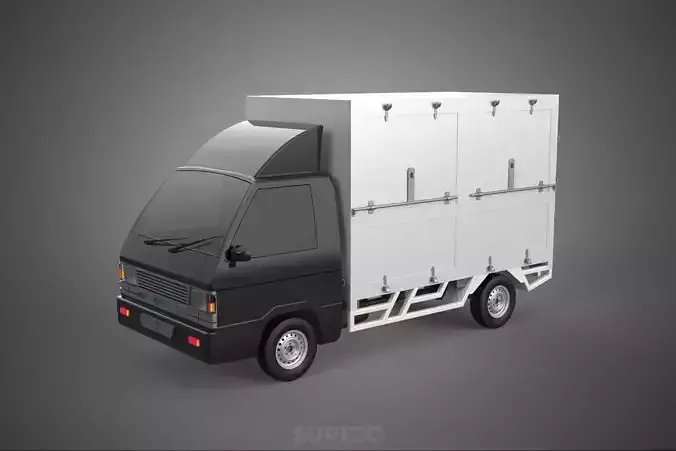
Orange Package Mail Post Service Delivery Parcel Box Truck Van
The composite term Orange Package Mail Post Service Delivery Parcel Box Truck Van precisely describes a specialized, integrated logistical system predominantly characterized by the use of distinctively orange-colored vehicles for the collection, transportation, and distribution of various types of physical goods, ranging from letters and documents to parcels and larger packages. This nomenclature encapsulates key operational elements: visual branding, the nature of the items transported, the service function, and the specific types of transport vehicles employed.
I. Visual Identity (Orange):
The orange designation refers to the standardized color scheme applied to the fleet of delivery vehicles, ancillary equipment, and often, the packaging materials themselves. This vibrant hue serves multiple strategic purposes:
- Brand Recognition: It establishes a strong and immediate visual identity for the service provider, facilitating brand recall and differentiation in a competitive market.
- Visibility and Safety: The high-contrast nature of orange enhances the visibility of vehicles, particularly in diverse weather conditions or urban environments, thereby contributing to operational safety.
- Consistency: It ensures a uniform appearance across all operational touchpoints, reinforcing professionalism and reliability.
II. Service Function and Item Types (Package Mail Post Service Delivery Parcel):
These terms collectively delineate the core service function and the types of items handled:
- Mail/Post: Refers to standard postal items, including letters, postcards, documents, and small flats, typically handled through a traditional postal service or express mail variant.
- Package/Parcel: Denotes larger, three-dimensional items, often wrapped or enclosed in boxes, that require more significant handling and storage capacity than standard mail. Parcels can vary widely in size, weight, and fragility.
- Service/Delivery: These terms underscore the operational mandate: providing a systematic, reliable, and efficient means of moving items from a sender to a designated recipient. This encompasses the entire logistical chain, from initial collection to final delivery.
III. Vehicle Types (Box Truck Van):
The operational backbone of such a system relies on a diverse fleet of specialized vehicles:
- Van: Typically refers to a smaller, enclosed motor vehicle, often based on a commercial chassis, designed for urban and suburban last-mile delivery. Vans are characterized by their maneuverability, fuel efficiency for shorter routes, and capacity for smaller to medium-sized packages and mail. They are frequently used for residential deliveries and routes with numerous stops.
- Box Truck (or Straight Truck): A larger commercial vehicle featuring a separate, enclosed, rectangular cargo area (the box) mounted directly onto the truck chassis, rather than being an integrated part of the cab. Box trucks offer significantly greater cargo volume and weight capacity compared to vans, making them suitable for:
- Line-haul transportation: Moving bulk quantities of mail and parcels between major sorting hubs and distribution centers.
- Larger-scale local delivery: Servicing commercial clients, industrial areas, or routes requiring the delivery of numerous or bulky items.
The box aspect also implicitly refers to the containers (cartons, crates) in which parcels are typically shipped.
IV. Operational Integration:
The system operates through a sophisticated logistics chain that includes:
- Collection: Gathering items from senders, often via drop-off points, scheduled pick-ups, or street collection boxes.
- Sorting: Items are transported to centralized or regional sorting facilities where they are categorized by destination, size, weight, and service level (e.g., express, standard). This often involves automated systems.
- Line-haul Transportation: Larger box trucks are primarily utilized for inter-city or inter-regional transport, moving consolidated shipments between major hubs.
- Local Distribution: From regional depots, items are dispatched on local routes. Vans and smaller box trucks are deployed for the last mile delivery, directly to the recipient's address.
- Tracking and Technology: Modern systems integrate advanced technologies such as GPS navigation, real-time tracking, barcode scanning, and route optimization software to enhance efficiency, transparency, and accountability throughout the delivery process.
V. Significance:
The Orange Package Mail Post Service Delivery Parcel Box Truck Van system represents a critical component of global logistics infrastructure. It facilitates national and international commerce, supports the rapid growth of e-commerce by enabling efficient consumer delivery, and serves essential social functions by connecting individuals and communities through the reliable movement of goods and information. Its distinct visual branding contributes to market presence and operational efficiency.
KEYWORDS: Orange, Package, Mail, Post, Service, Delivery, Parcel, Box, Truck, Van, Courier, Logistics, Shipping, Freight, Transportation, Distribution, Collection, Sorting, Last-mile, E-commerce, Supply Chain, Branding, Fleet, Vehicle, Cargo, Container, Tracking, Infrastructure, Network, Postal.