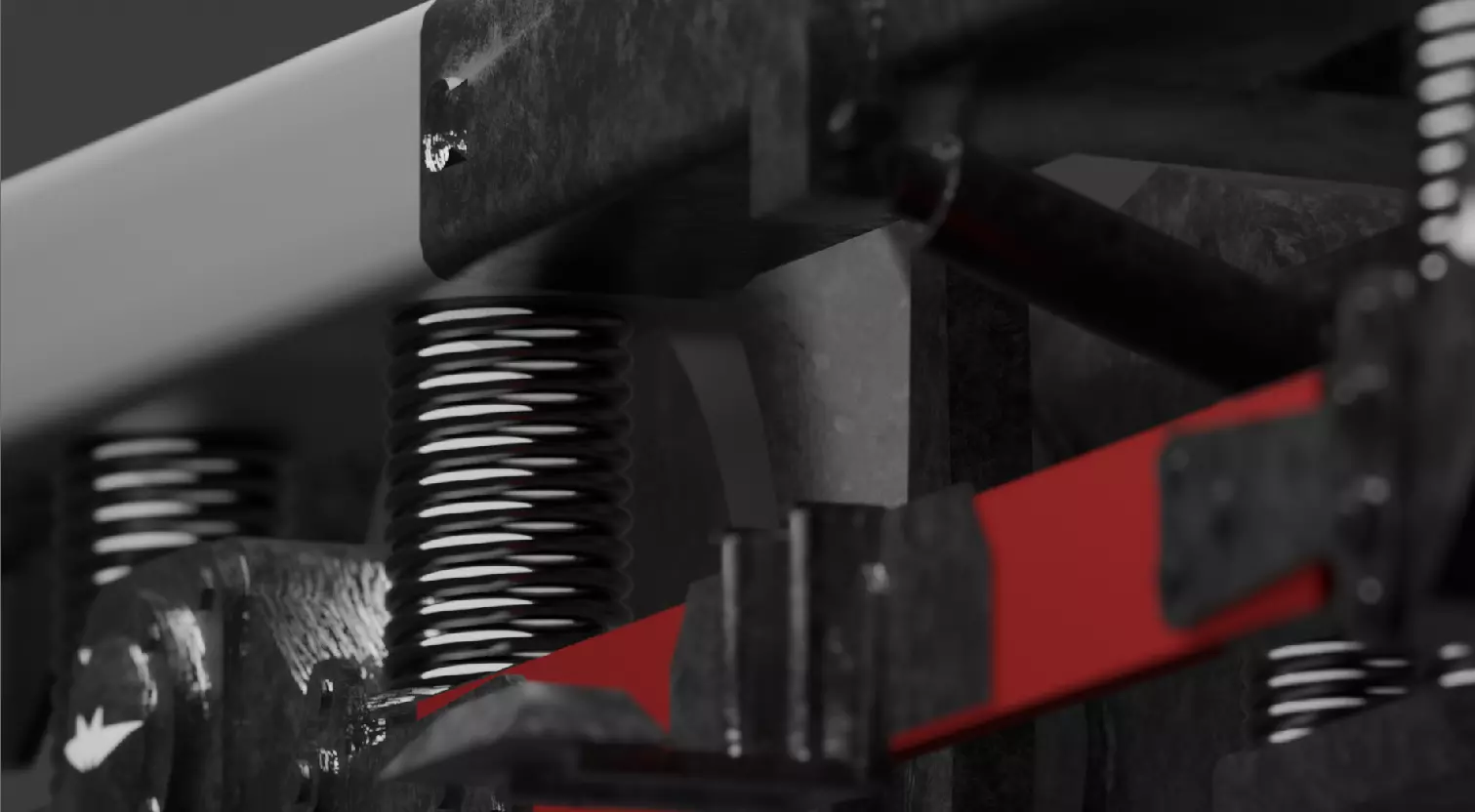
By the 1970s, most metro lines in the Soviet Union were using the E-series trainsets, which started mass production in 1963 (although the prototype was built in 1959).[4] They were a further development of the G and D-series rolling stock from the late 1940s and 1950s, but with upgraded electric equipment (contactor-based, built by the Dinamo Electric Machines Factory of Moscow).[4] Although there was improvement in the construction of the carbodies (based on the Riga-built ER1 EMUs of the Soviet Railways), the traction motors were quite weak, and the contactor system had limits.[4] This, in relation to the weight of the cars and the oversimplified electric system, which was built in order to emphasize on energy conservation, led to a poor acceleration performance, which reduced the headway on metro lines on various networks at the time.[4] To counter this, engineers came up with three key different solutions:
Increase the power of the traction motors;Apply pulse voltage regulation, with excitation of traction motors;Reduce the weight of the carbodies;The pulse voltage regulation system was already attempted.[4] The Ečs subseries of the E-series, which was delivered to Prague from 1972 to 1976, was very different from the Ev subseries delivered to Budapest from 1969 to 1979: it featured thyristor pulse converters to regulate the excitation of traction motors during acceleration and deceleration, increasing their performance, whilst retaining the same carbody.[4] Another upgrade was the Ež3/Em508T subseries, delivered to multiple Soviet cities from 1973 to 1979. Using experiences learnt from the Ei subseries (delivered from 1968 to 1973), it applied pulse voltage regulation on traction motors too, and eliminated the ripple-effects within the ALS-ARS safety systems, greatly improving the general performance of these sets and at the same time, keeping electric consumption to the strictly necessary.[4] In regards to weight reduction, it was still decided to reduce some weight, so the car bodies would be built from aluminium.[4] A more powerful traction engine was developed, too.