Hathor in Her Four Forms – A Stunning Representation of Ancient Egyptian Divinity
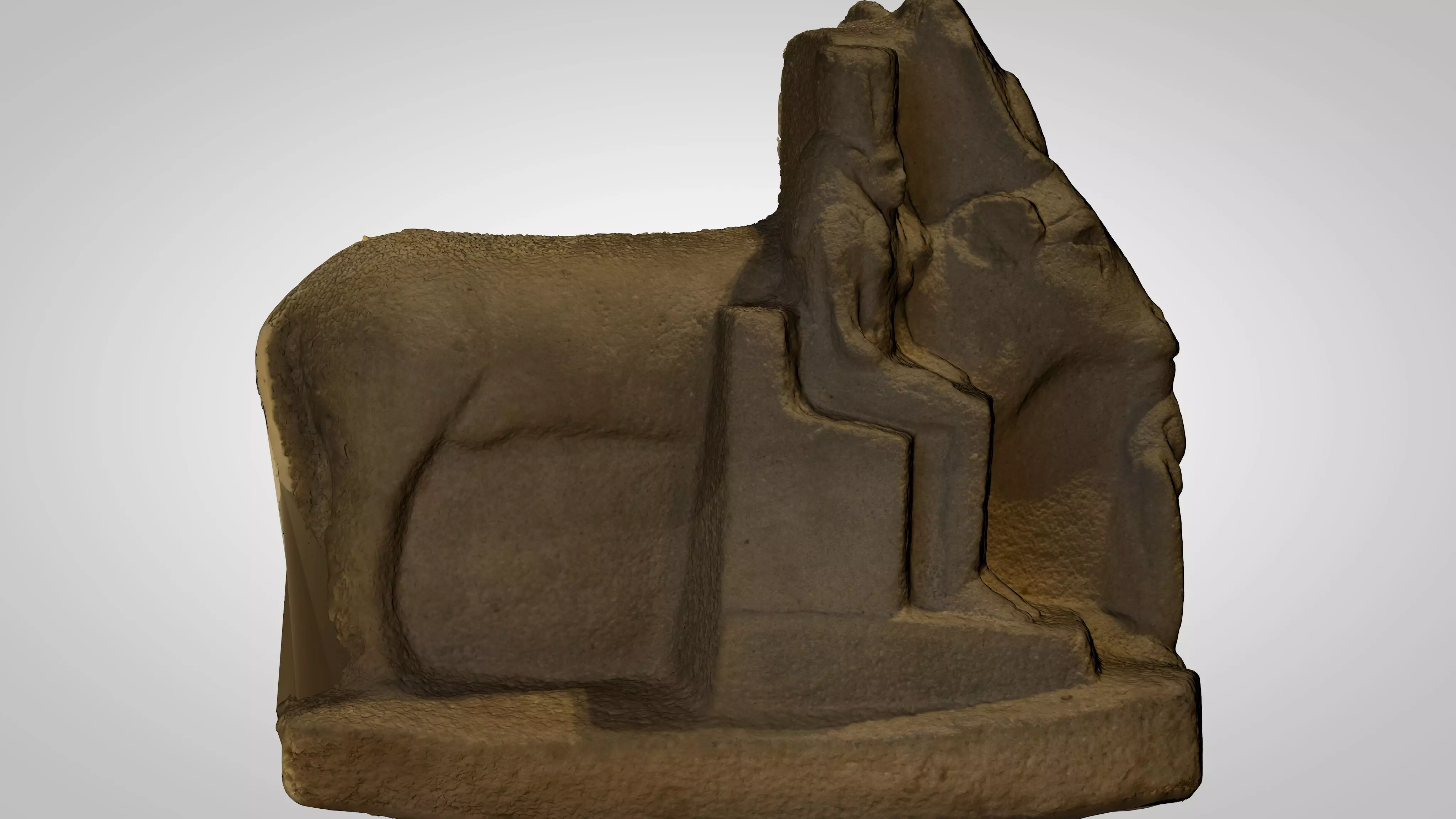
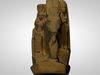
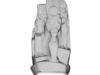
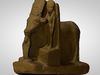
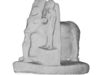
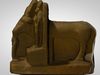
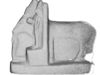
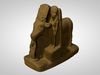
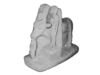
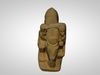
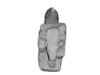
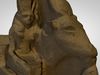
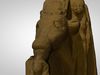
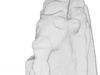
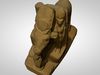
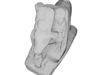
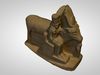
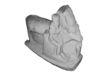
This 3D model offers an exquisite representation of the goddess Hathor, a prominent figure in ancient Egyptian mythology. The statue showcases Hathor in her four distinct forms, each symbolizing a unique aspect of her divine nature.
Description of the Statue
Dimensions:
Height: 70 cm; Width: 34 cm; Depth: 72 cm
Material:
Crafted from quartzite, with traces of black and red paint suggesting its original vibrant detailing.
Technique:
Sculpture in the round with fine detailing and symbolic painting remnants.
Hathor’s Four Forms Depicted:
-
Hathor as a Cow:
- Standing tall, crowned with a double feathered headdress and a solar disc flanked by uraei (sacred cobras).
- Represents her nurturing and maternal aspect, often associated with fertility and abundance.
-
Hathor Nebbethpet (Lady of the Mansion):
- Seated gracefully in a flowing robe, holding the emblem of Nebbethpet.
- Symbolizes her role as the guardian of the divine temple and sacred spaces.
-
Hathor as a Lioness-Headed Goddess:
- Standing fierce with a lioness head, crowned with a solar disc and uraeus.
- Embodies her protective and destructive aspects, particularly in her role as a goddess of vengeance and retribution.
-
Hathor as a Female-Headed Snake:
- An erect serpent with a human female head, representing transformation and mystery.
- Highlights her connection to renewal, protection, and the underworld.
Historical and Cultural Significance
Era:
Attributed to the Ramesside Period of the New Kingdom (1295–1069 BCE), this statue reflects the artistry and religious devotion of the time.
Origin:
Likely discovered in Deir el-Medina, a site associated with artisans and builders of royal tombs in Thebes, Egypt.
Function:
This statue likely served as a devotional object within a temple or sacred space, embodying Hathor’s diverse roles as a goddess of love, protection, fertility, and transformation.
Current LocationThe statue is displayed at the Sully Wing, Room 324 of the Louvre Museum, within the collection dedicated to Egyptian temples.
Symbolism in the StatueThe solar disc, uraei, and animal forms depicted in this statue emphasize Hathor’s connection to the sun, life, and divine power. Her hybrid forms highlight her ability to bridge the human, animal, and divine realms, making her a unique and multifaceted deity in the Egyptian pantheon.
Applications of the 3D ModelThis high-quality 3D model is perfect for:
-
Educational Purposes: Bringing ancient mythology to life for students and scholars.
-
Cultural Preservation: Digitally archiving an important piece of ancient art.
-
Creative Projects: Ideal for AR/VR, animation, and gaming environments.
-
3D Printing: Recreating this masterpiece as a physical artifact.
Experience the divine complexity and artistry of Hathor through this exceptional 3D model, now available for exploration and integration into your projects.