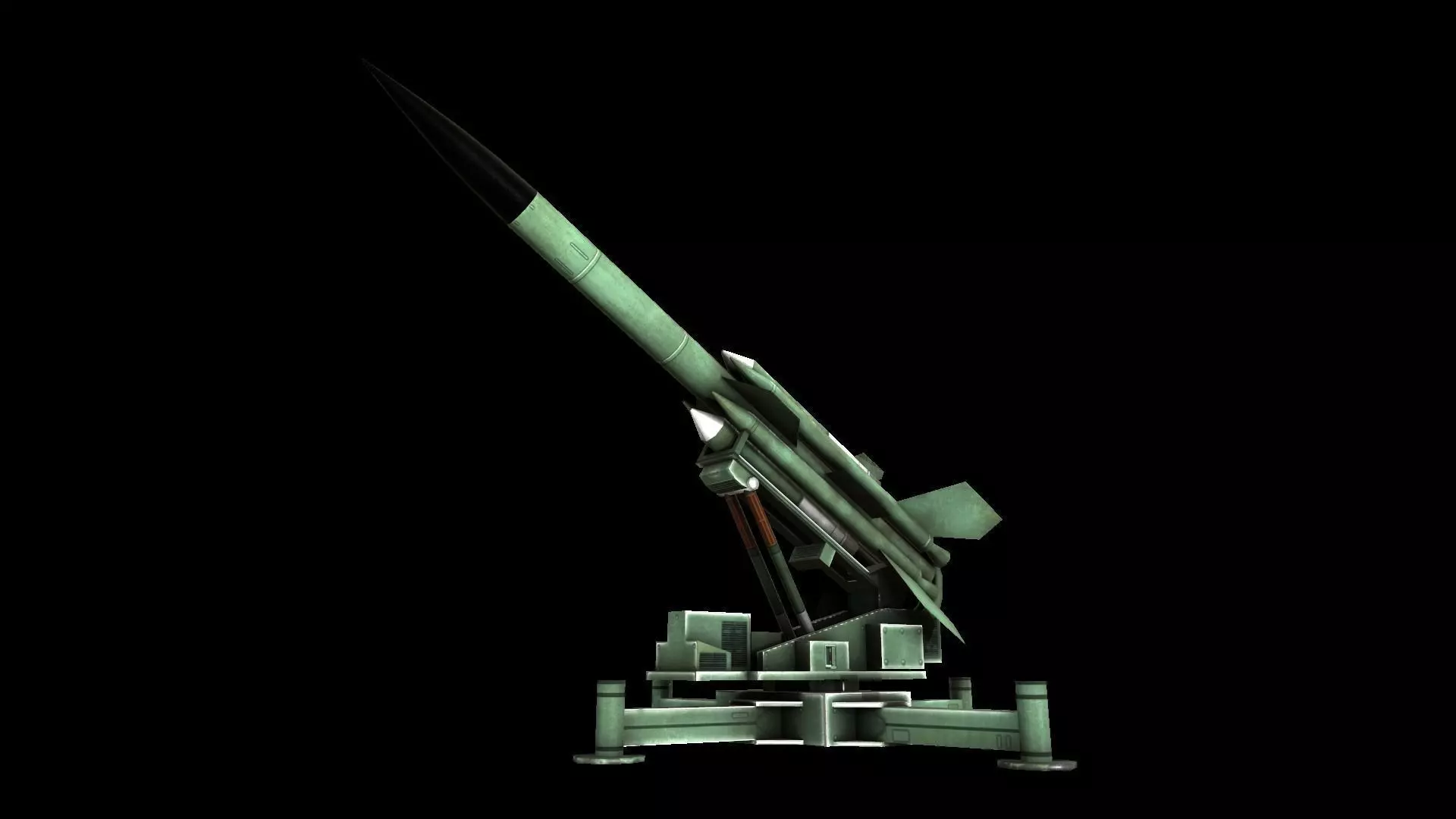
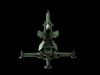
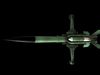
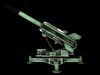
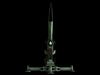
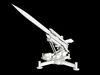
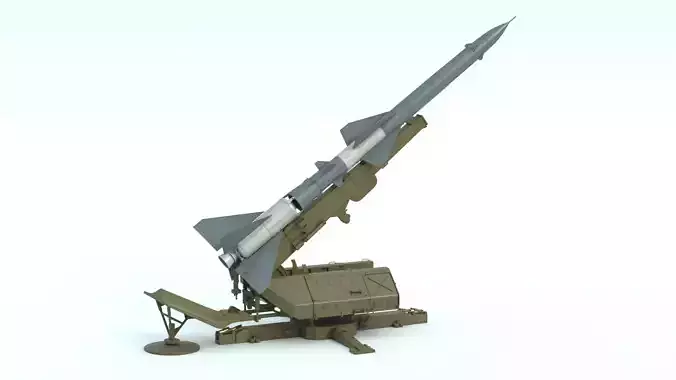
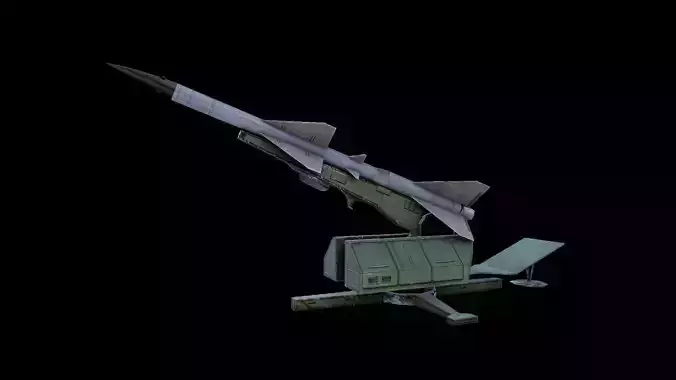
The Bristol Bloodhound is a British surface-to-air missile developed during the 1950s. It served as the UK's main air defence weapon into the 1990s and was in large-scale service with the Royal Air Force (RAF) and the forces of four other countries.
Part of sweeping changes to the UK's defence posture, the Bloodhound was intended to protect the RAF's V bomber bases to preserve the deterrent force, attacking bombers that made it past the Lightning interceptor force. Bloodhound Mk. I entered service in December 1958, the first British guided weapon to enter full operational service. This was part of Stage 1 upgrades to the defensive systems, in the later Stage 2, both Bloodhound and the fighters would be replaced by a longer-range missile code named Blue Envoy. When this was ultimately cancelled in 1957, parts of its design were worked into Bloodhound Mk. II, roughly doubling the range of the missile. The Mk. I began to be replaced by the Mk. II starting in 1964.
The Bloodhound Mk. II was a relatively advanced missile for its era, roughly comparable to the US's Nike Hercules in terms of range and performance, but using an advanced continuous-wave semi-active radar homing system, offering excellent performance against electronic countermeasures and low-altitude targets. It also featured a digital computer for fire control that was also used for readiness checks and various calculations. It was a relatively large missile, which limited it to stationary defensive roles similar to the Hercules or the Soviets' S-25 Berkut, although Sweden operated its Bloodhounds in a semi-mobile form. The performance was such that it was also selected as the interceptor missile in the Violet Friend ABM system, although this was ultimately cancelled.
Bloodhound shares much in common with the English Electric Thunderbird, including some of the radar systems and guidance features. Thunderbird was smaller and much more mobile, seeing service with the British Army and several other forces. The two missiles served in tandem for some time, until the shorter-range role of the Thunderbird was replaced by the much smaller and fast-acting BAC Rapier starting in 1971. Bloodhound's longer range kept it in service until the threat of bomber attack by the Soviet Union disappeared with the dissolution of the union in 1991. The last Mk. II missile squadron stood down in July 1991, although Swiss examples remained operational until 1999.
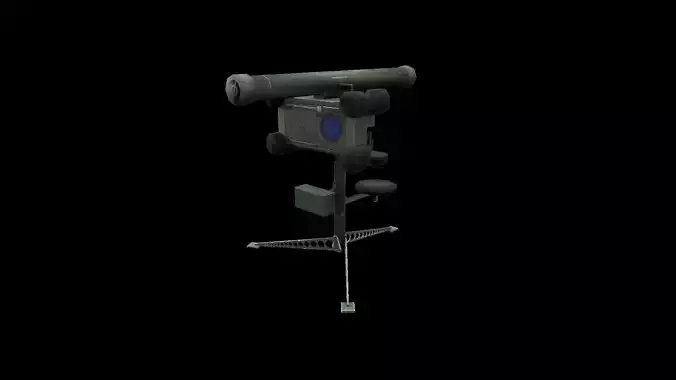
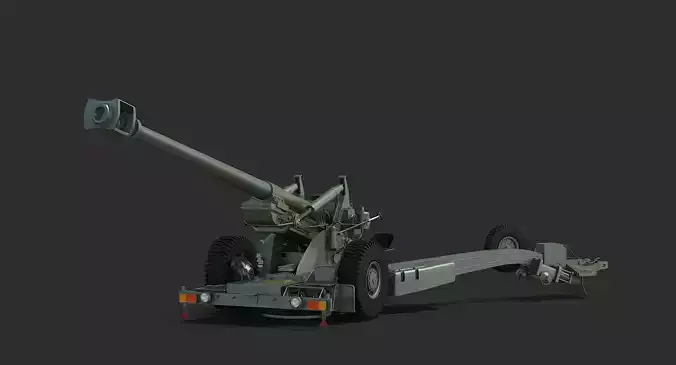
Low-Poly Model of high quality. Renders are made in Marmoset Toolbag 3
textures :Bristol Bloodhound SAM Missile.PNG.2048x2048Bristol Bloodhound SAM Missile_Base_Color.PNG.2048x2048Bristol Bloodhound SAM Missile_Height.PNG.2048x2048Bristol Bloodhound SAM Missile_Metallic.PNG.2048x2048Bristol Bloodhound SAM Missile_Mixed_AO.PNG.2048x2048Bristol Bloodhound SAM Missile_Normal.PNG.2048x2048Bristol Bloodhound SAM Missile_Normal_OpenGL.PNG.2048x2048Bristol Bloodhound SAM Missile_Roughness.PNG.2048x2048