High-quality 3D assets at affordable prices — trusted by designers, engineers, and creators worldwide. Made with care to be versatile, accessible, and ready for your pipeline.
Included File Formats
This model is provided in 14 widely supported formats, ensuring maximum compatibility:
• - FBX (.fbx) – Standard format for most 3D software and pipelines
• - OBJ + MTL (.obj, .mtl) – Wavefront format, widely used and compatible
• - STL (.stl) – Exported mesh geometry; may be suitable for 3D printing with adjustments
• - STEP (.step, .stp) – CAD format using NURBS surfaces
• - IGES (.iges, .igs) – Common format for CAD/CAM and engineering workflows (NURBS)
• - SAT (.sat) – ACIS solid model format (NURBS)
• - DAE (.dae) – Collada format for 3D applications and animations
• - glTF (.glb) – Modern, lightweight format for web, AR, and real-time engines
• - 3DS (.3ds) – Legacy format with broad software support
• - 3ds Max (.max) – Provided for 3ds Max users
• - Blender (.blend) – Provided for Blender users
• - SketchUp (.skp) – Compatible with all SketchUp versions
• - AutoCAD (.dwg) – Suitable for technical and architectural workflows
• - Rhino (.3dm) – Provided for Rhino users
Model Info
• - All files are checked and tested for integrity and correct content
• - Geometry uses real-world scale; model resolution varies depending on the product (high or low poly)
• • - Scene setup and mesh structure may vary depending on model complexity
• - Rendered using Luxion KeyShot
• - Affordable price with professional detailing
Buy with confidence. Quality and compatibility guaranteed.
If you have any questions about the file formats, feel free to send us a message — we're happy to assist you!
Sincerely,
SURF3D
Trusted source for professional and affordable 3D models.
More Information About 3D Model :
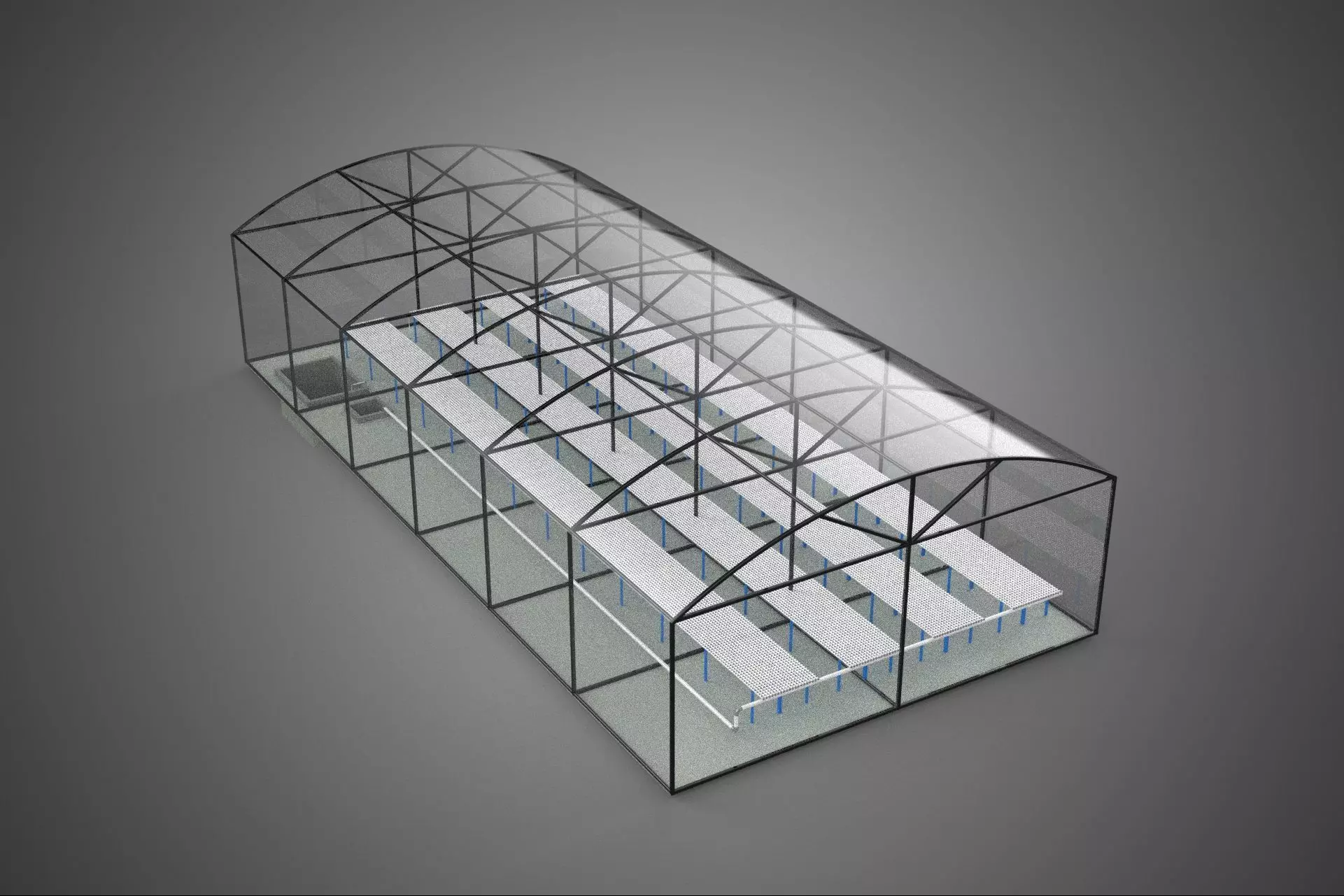
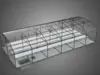
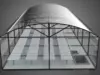
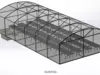
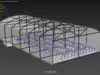
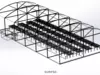
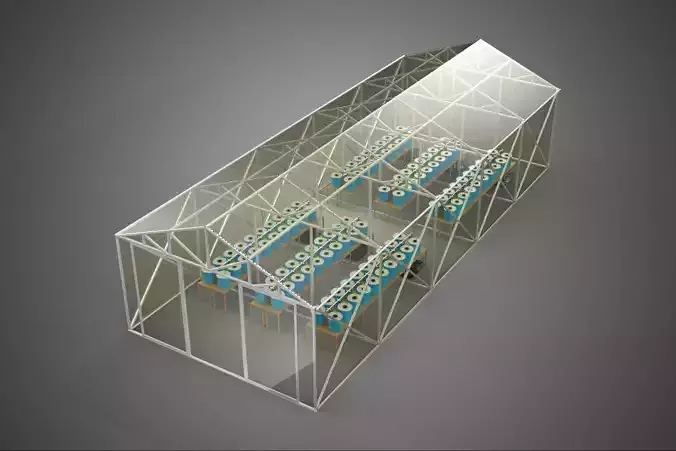
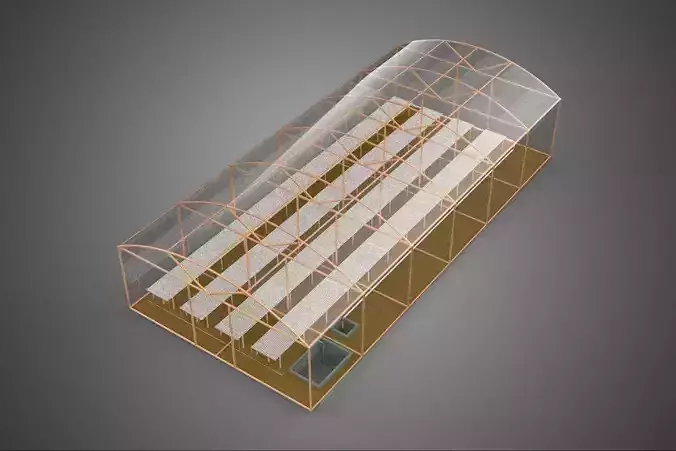
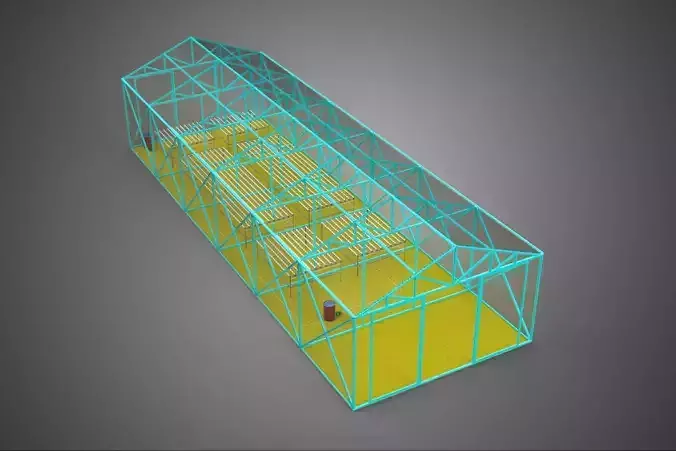
A Greenhouse Plant Farm Cultivation Aeroponic Hydroponic Garden refers to a sophisticated, integrated agricultural methodology that combines the environmental control of a greenhouse structure with advanced soilless cultivation techniques, specifically hydroponics and aeroponics, for highly efficient and sustainable plant production. This approach represents a pinnacle of Controlled Environment Agriculture (CEA), aiming to optimize growth conditions, maximize yields, and conserve resources within a precisely managed ecosystem.
Greenhouse Component:
The greenhouse serves as the foundational controlled environment for this advanced cultivation system. It is an enclosed structure, typically framed with glass or translucent plastic panels, designed to capture and retain solar radiation, thereby creating a microclimate conducive to plant growth regardless of external weather conditions. Key functionalities of the greenhouse environment include:
- Climate Regulation: Sophisticated systems manage temperature (heating, cooling, ventilation), humidity, and air circulation to maintain optimal levels for specific plant species.
- Light Management: While natural sunlight is the primary light source, supplementary artificial lighting (e.g., LED grow lights) can extend photoperiods, compensate for low natural light, or provide specific light spectra to enhance photosynthesis and morphogenesis. Shading systems are employed to mitigate excessive solar intensity during peak periods.
- CO2 Enrichment: Carbon dioxide levels within the greenhouse are often enriched to concentrations higher than atmospheric levels, which can significantly boost photosynthetic rates, leading to accelerated growth and increased biomass.
- Pest and Disease Control: The enclosed nature of the greenhouse acts as a physical barrier against external pests and pathogens, substantially reducing the reliance on chemical pesticides and herbicides, thus promoting a cleaner, healthier growing environment.
Hydroponic Cultivation:
Hydroponics is a method of growing plants without soil, using mineral nutrient solutions dissolved in water to deliver essential elements directly to the root zone. Within a greenhouse plant farm, various hydroponic systems are commonly employed due to their efficiency and versatility:
- Nutrient Film Technique (NFT): Plants are grown in channels where a very shallow stream of nutrient solution continuously flows past their bare roots, providing moisture, nutrients, and aeration.
- Deep Water Culture (DWC): Plant roots are suspended directly into a reservoir of oxygenated nutrient solution, ensuring constant access to water and nutrients.
- Drip Systems: Nutrient solution is precisely delivered to the base of each plant via emitters, often used with inert growing media such as rockwool, coco coir, or perlite to provide support and moisture retention.
- Ebb and Flow (Flood and Drain): A grow tray is periodically flooded with nutrient solution, then drained back into a reservoir, allowing for optimal nutrient uptake followed by essential root aeration.
Advantages of hydroponics include highly precise nutrient delivery, significant water savings (up to 90% compared to traditional field farming due to recirculation), accelerated growth rates, higher planting densities, and the elimination of soil-borne diseases and weeds.
Aeroponic Cultivation:
Aeroponics represents an advanced form of hydroponics where plant roots are suspended in air within a contained environment and intermittently misted with a fine spray of nutrient-rich water. This system is distinguished by its superior root oxygenation, which is critical for efficient nutrient uptake and overall plant vigor.
- Mechanism: High-pressure pumps and specialized atomizing nozzles deliver a fine mist of nutrient solution directly to the suspended root systems.
- Benefits: Aeroponics generally results in even faster growth rates, enhanced nutrient absorption efficiency, and further reduced water consumption compared to other soilless methods. The high level of oxygen exposure prevents anaerobic conditions that can lead to root rot and promotes robust root development. It is particularly effective for propagating cuttings and cultivating high-value leafy greens, herbs, and certain fruits.
Integrated System and Benefits:
The integration of hydroponic and aeroponic systems within a controlled greenhouse environment creates a highly efficient, productive, and sustainable agricultural model. This synergy allows for:
- Maximized Yields: Optimized environmental parameters combined with direct, tailored nutrient delivery lead to accelerated growth cycles and significantly higher per-square-foot production.
- Resource Efficiency: Drastically reduced water usage through closed-loop recirculation, precise nutrient management minimizing waste, and a minimal land footprint.
- Year-Round Production: Independence from external climatic conditions enables continuous cultivation and multiple harvest cycles regardless of season or local climate challenges.
- Enhanced Product Quality and Consistency: Controlled growing conditions often result in more uniform and higher-quality produce, potentially with improved nutritional content and shelf life.
- Reduced Environmental Impact: Lower reliance on pesticides and herbicides, minimal agricultural runoff, reduced transportation costs for local markets, and potentially lower overall carbon footprint depending on energy sources.
- Precision Agriculture: Sensor-based monitoring, data analytics, and automation systems allow for highly precise control over all growth parameters, enabling data-driven optimization and rapid adjustments.
Applications:
This advanced cultivation methodology is widely applied for growing a diverse range of crops, including various leafy greens (lettuce, spinach, kale), aromatic herbs (basil, mint, cilantro), vine crops (tomatoes, cucumbers, peppers), and soft fruits (strawberries).