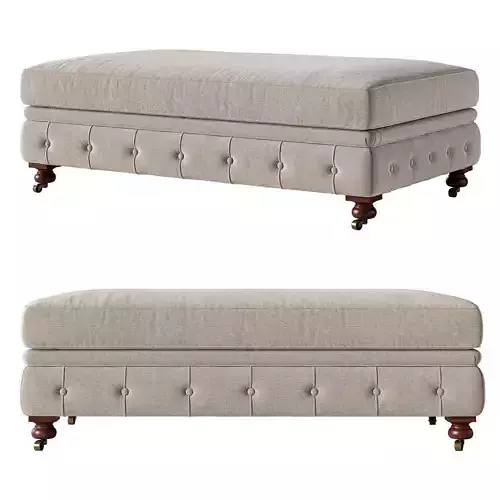
Dimensions
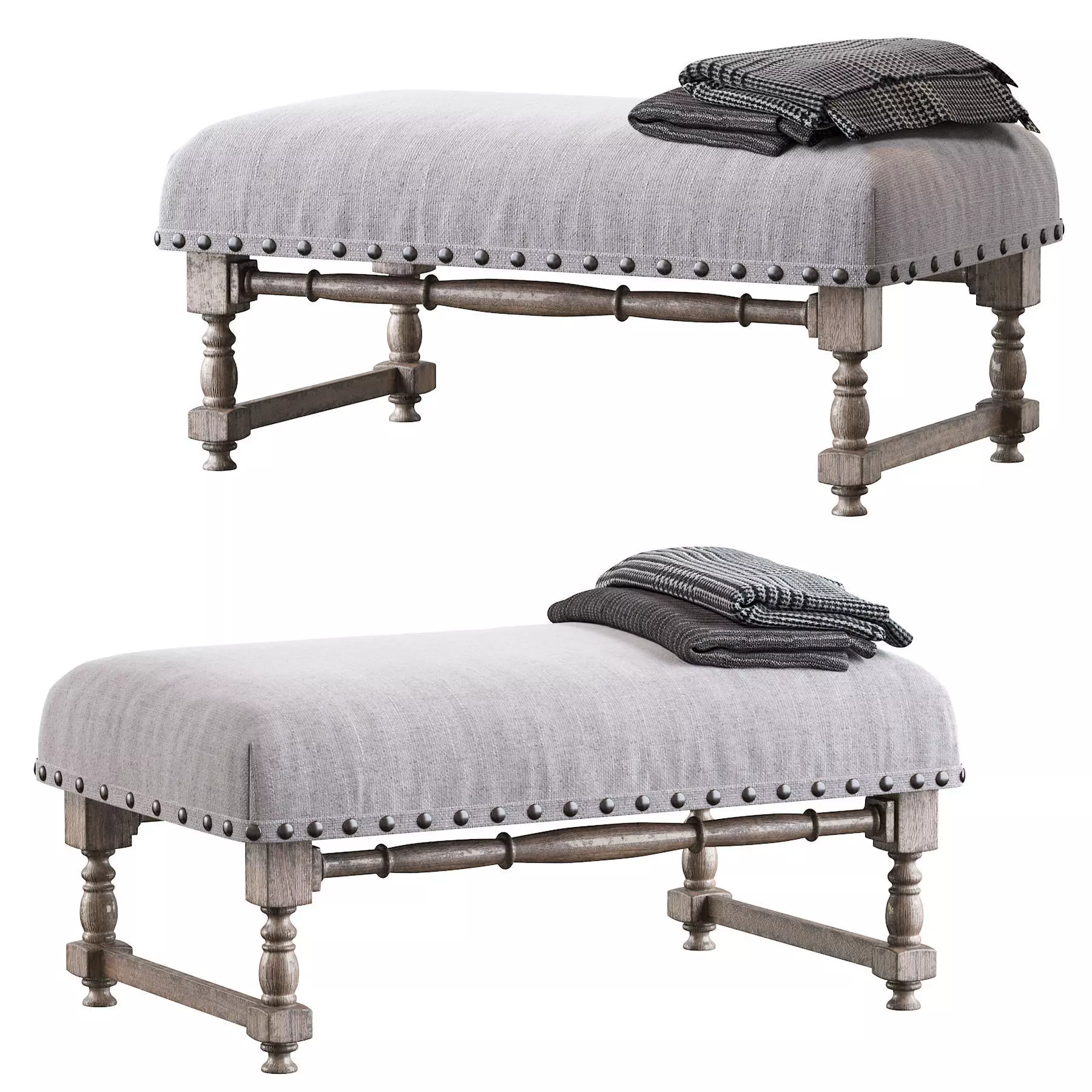
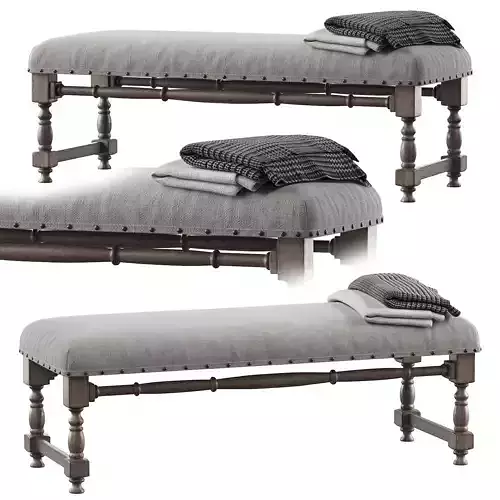
poufHeight 46cm, Width 91cm, Depth 58cm
The origins of stools are obscure, but they are known to be one of the earliest forms of wooden furniture.[1] The diphros was a four-leg stool in Ancient Greece, available in both fixed and folding versions. Percy Macquoid claims that the turned stool was introduced from Byzantium by the Varangian Guard, and thus through Norse culture into Europe, reaching England via the Normans.[1][2]
Table and stools from Bulgaria
Milking stoolIn the medieval period, seating consisted of benches, stools, and the very rare examples of throne-like chairs as an indication of status. These stools were of two forms, the boarded[3] or Gothic[2] stool, a short bench with two board-like feet at the ends[2] and also the simple turned stool. Turned stools were the progenitor of both the turned chair and the Windsor chair. The simplest stool was like the Windsor chair: a solid plank seat had three legs set into it with round mortice and tenon joints. These simple stools probably used the green woodworking technique of setting already-dried legs into a still-green seat. As the seat dries and shrinks, the joints are held tight. These legs were originally formed by shaving down from a simple branch or pole, later examples developed turned shapes.
https://www.abitant.com/products/banketka-curations-limited-2013-7801-1110#/
A bench is a long seat on which multiple people may sit at the same time. Benches are typically made of wood, but may also be made of metal, stone, or other synthetic materials. Many benches have back rests while others do not and can be sat on from either side. Arm rests are another common feature. In many American public areas, benches are often donated by persons or associations, which may then be indicated on it, e.g. by a small plaque. This is a common form of memorial to somebody who has died (see memorial bench). Benches can be both outdoors and indoors, but they are more commonly found outdoors.