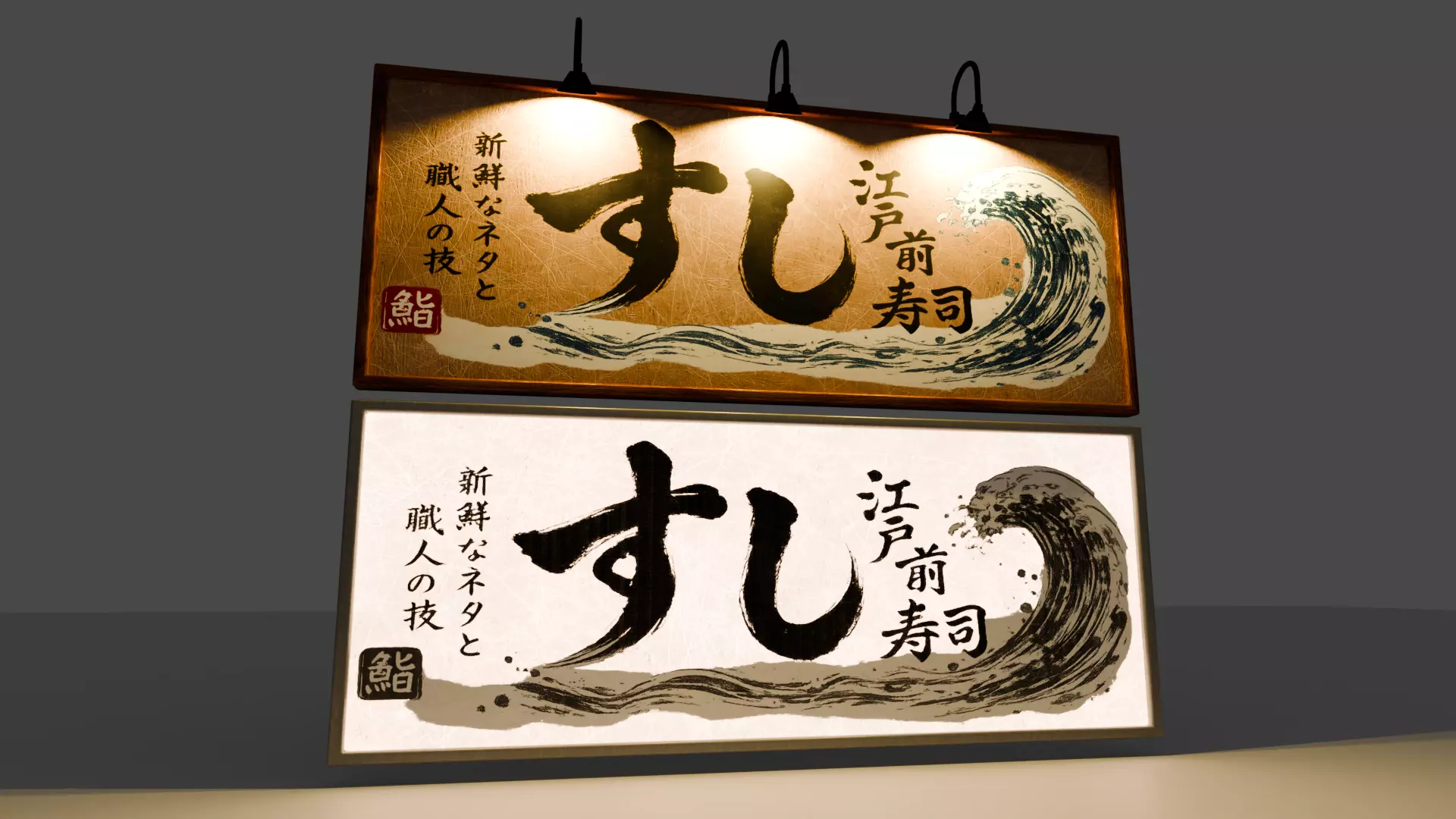
A traditional Japanese sushi restaurant is a place where people eat sushi, a famous Japanese food made with vinegared rice and ingredients such as raw fish, cooked seafood, egg, or vegetables. Sushi is one of the most internationally recognized parts of Japanese cuisine, but authentic sushi restaurants in Japan have many unique customs and styles that may be unfamiliar to foreigners.
In a traditional sushi restaurant, customers often sit either at regular tables or at a counter directly in front of the sushi chef, called an itamae. Sitting at the counter is considered a special experience because guests can watch the chef prepare sushi by hand with great precision and skill. The chef carefully slices fish, shapes rice, brushes sauces, and serves each piece individually. Many sushi chefs train for years to master knife techniques, seafood preparation, rice temperature, and presentation.
The atmosphere of traditional sushi restaurants can range from casual neighborhood shops to very expensive fine dining establishments. High-end sushi restaurants often focus on seasonal ingredients and very fresh seafood brought from fish markets early in the morning. Some restaurants serve an omakase course, which means “I leave it up to you.” In this style, the chef chooses each piece of sushi for the customer and serves them one by one in a carefully planned order.
There are several common types of sushi. Nigiri sushi is a small hand-shaped mound of rice topped with fish or seafood. Maki sushi is rolled sushi wrapped in seaweed with ingredients inside. Gunkan maki is a small oval of rice wrapped with seaweed to hold soft toppings such as salmon roe or sea urchin. Soy sauce, pickled ginger, and wasabi are usually served together with sushi.
A conveyor belt sushi restaurant, called kaiten-zushi in Japanese, is a more casual and affordable style of sushi restaurant. In these restaurants, plates of sushi move around the dining area on a rotating conveyor belt. Customers simply take the plates they want directly from the belt. Different plate colors or designs often represent different prices. After eating, the staff counts the empty plates to calculate the total bill.
Kaiten-zushi became very popular in Japan because it allows people to enjoy sushi quickly and at lower prices than traditional sushi restaurants. Many modern conveyor belt sushi chains use advanced technology. Customers may order sushi using a touch-screen tablet, and the food is delivered directly to their table on a separate fast-moving lane. Some restaurants even have small games or animations that appear after customers return a certain number of empty plates into a slot, making the experience fun for children and families.
Compared to traditional sushi restaurants, conveyor belt sushi places are usually louder, more casual, and designed for convenience. They are popular with students, office workers, tourists, and families. Traditional sushi restaurants, especially expensive ones, are often quieter and more focused on craftsmanship, atmosphere, and personal interaction with the chef.
Both traditional sushi restaurants and conveyor belt sushi restaurants are important parts of Japanese food culture. Together, they show two sides of Japan: deep respect for culinary craftsmanship and tradition, and modern efficiency and entertainment.