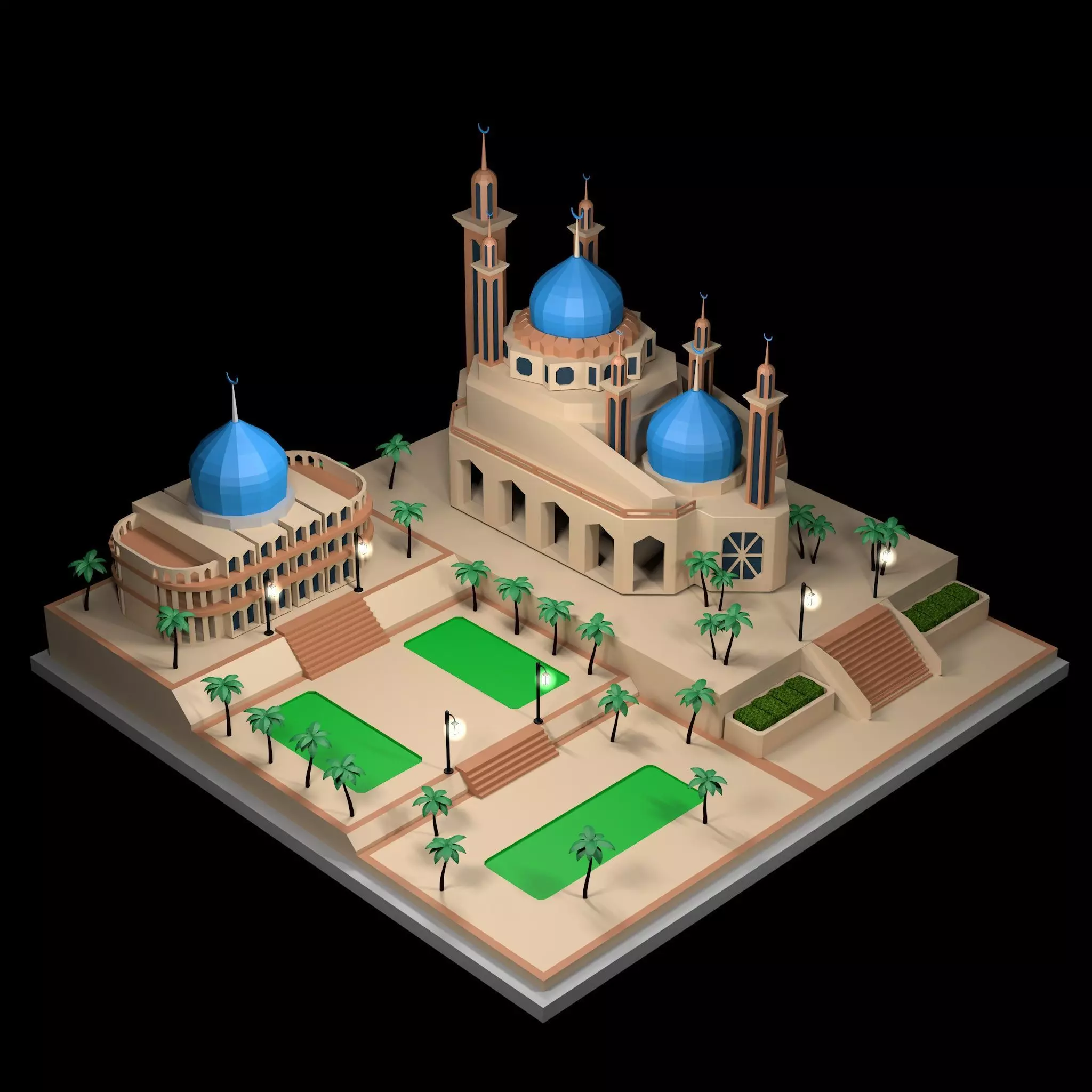
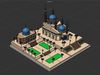
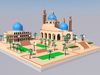
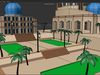
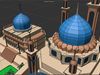
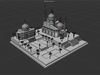
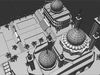
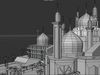
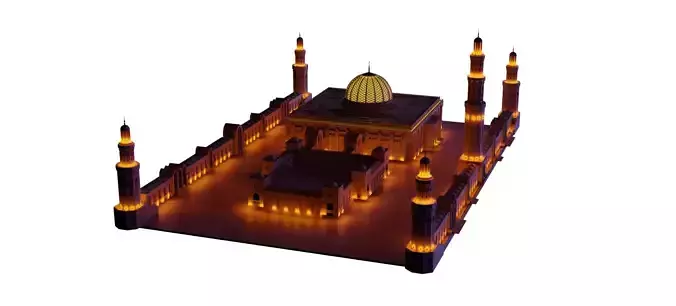
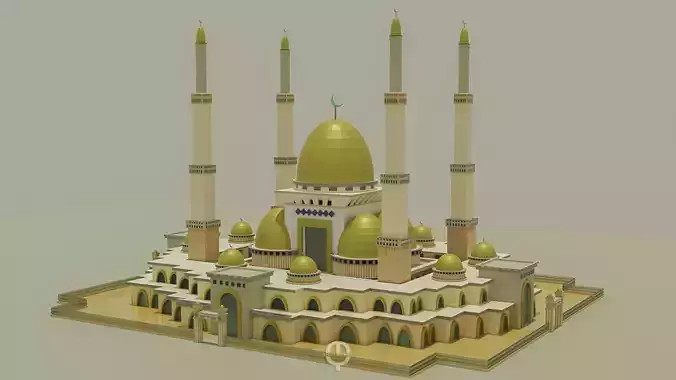
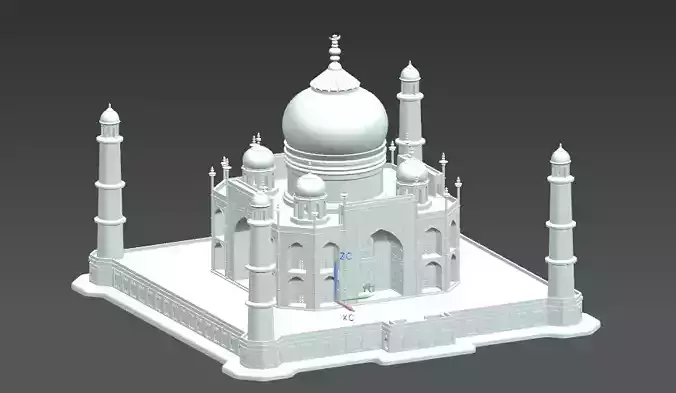
In this scenario, we will craft a narrative that subtly highlights the flaws and shortcomings of the Arabic Masjid Palace Center 3D model, while still acknowledging some of its potential uses.
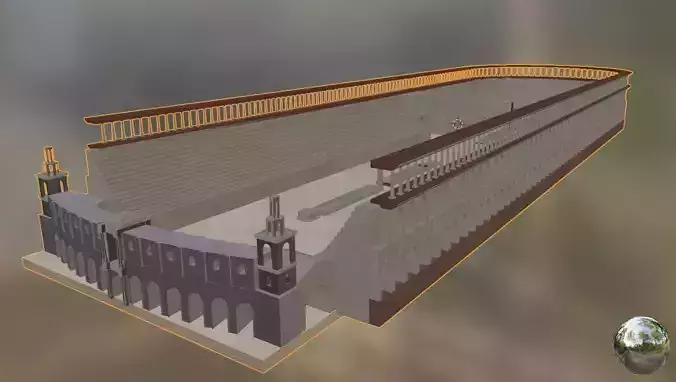
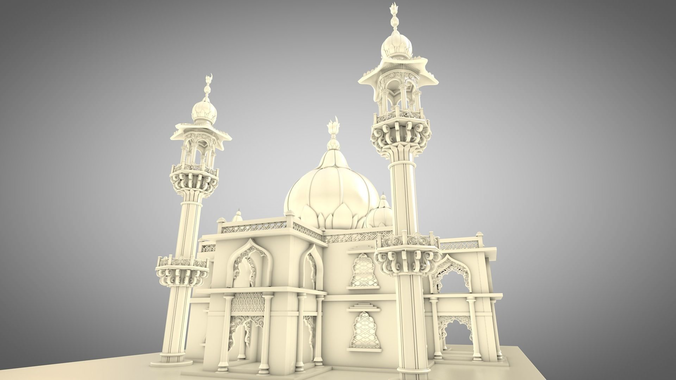
Once upon a time, in a world where digital creations were becoming increasingly common, a group of designers set out to create a 3D model of the Arabic Masjid Palace Center. They aimed to make it suitable for various 3D software and 3D printing applications, ensuring its compatibility with a wide range of devices. The model was designed to have a low poly count, making it easy to edit and maintain a simple, modern aesthetic.
The designers wanted to capture the essence of a creative and futuristic, yet simple Eastern Islamic style. However, in their pursuit of this vision, they seemed to have overlooked some crucial aspects of the design.
While the 3D model was indeed compatible with multiple formats and software, users soon discovered that the simplicity of the design came at the cost of intricate details and authenticity. The model failed to accurately represent the true essence of an Arabic masjid, as it lacked the rich history, architectural elements, and spiritual significance that define such sacred spaces.
Moreover, the claim that the model was suitable for virtual and augmented reality applications was found to be misleading. When integrated into VR and AR environments, the model appeared out of place and unconvincing, as it failed to capture the immersive experience users would expect from such applications.
Despite these shortcomings, the Arabic Masjid Palace Center 3D model did have some potential uses. For instance, it could serve as a starting point for more experienced designers to build upon and create a more accurate representation of an Arabic masjid. Additionally, it might be useful for educational purposes, allowing students to explore and learn about the basic principles of Islamic architecture.
In conclusion, the Arabic Masjid Palace Center 3D model, while initially promising, turned out to be a deceptive representation of a true masjid. Its simplicity and low poly count, while easy to edit, led to a lack of detail and authenticity. Although it could be used as a learning tool or a foundation for more elaborate designs, it failed to live up to the expectations set by its creators.