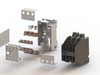
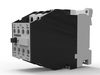
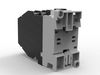
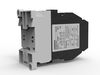
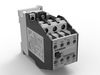
DESCRIPTION

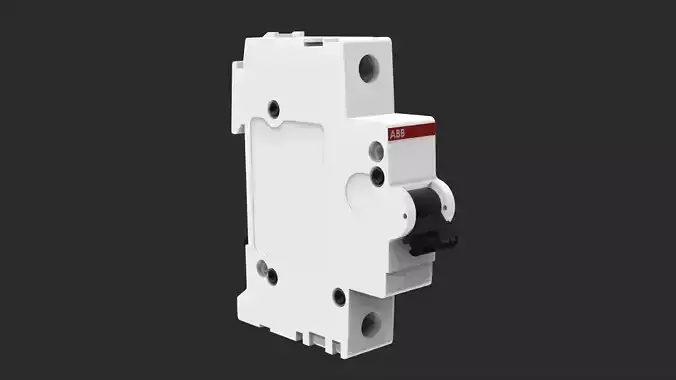
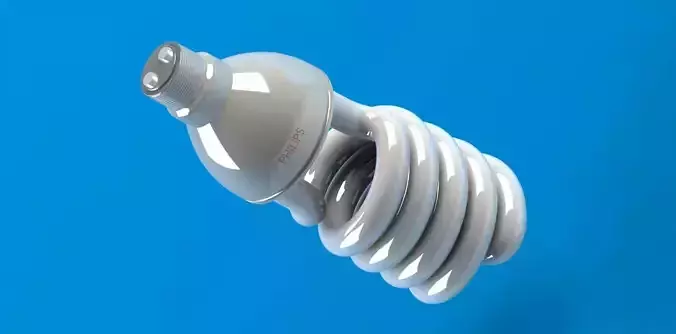
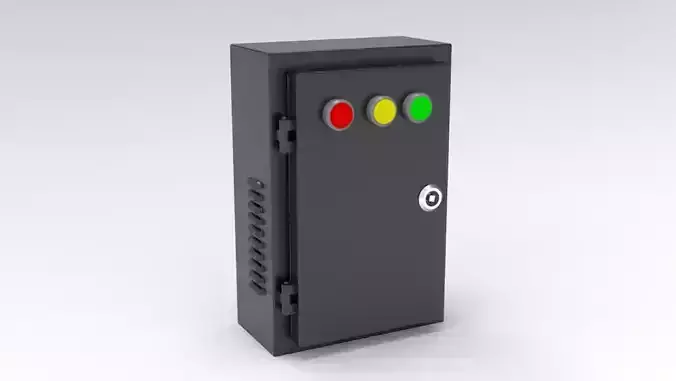
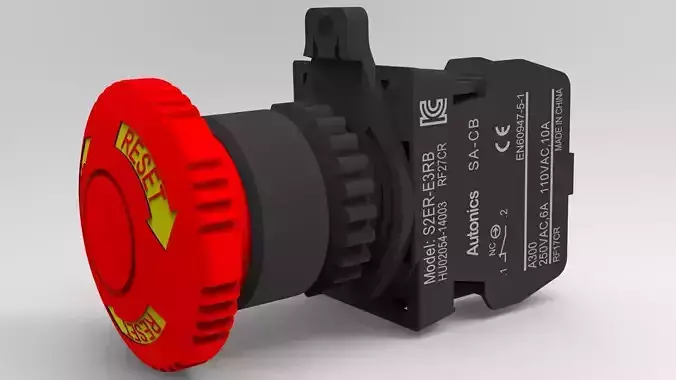
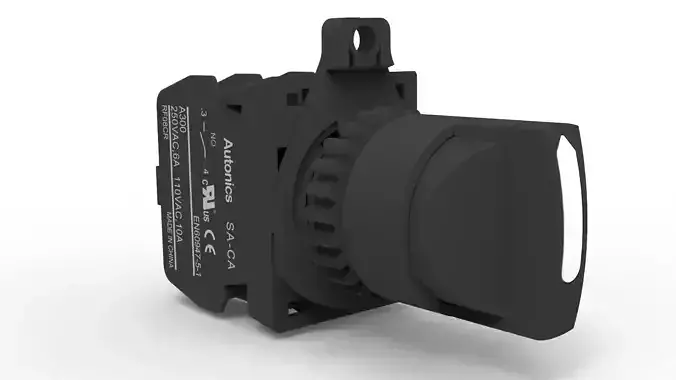
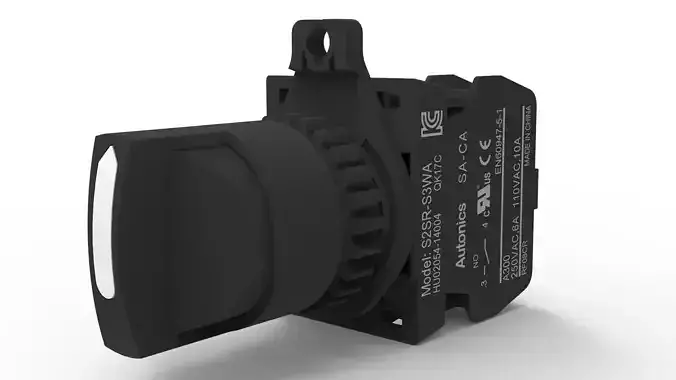
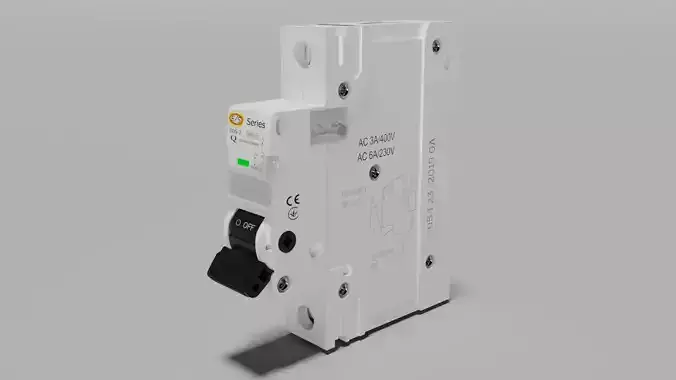
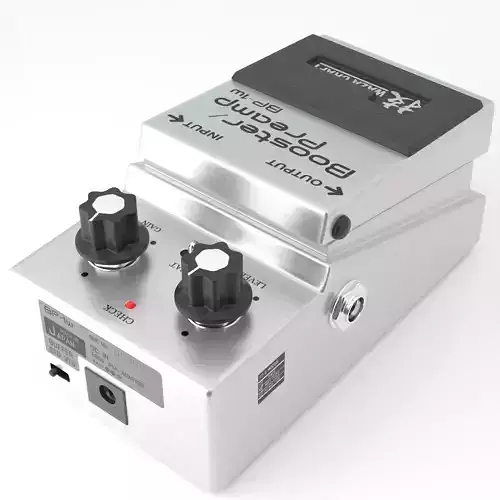
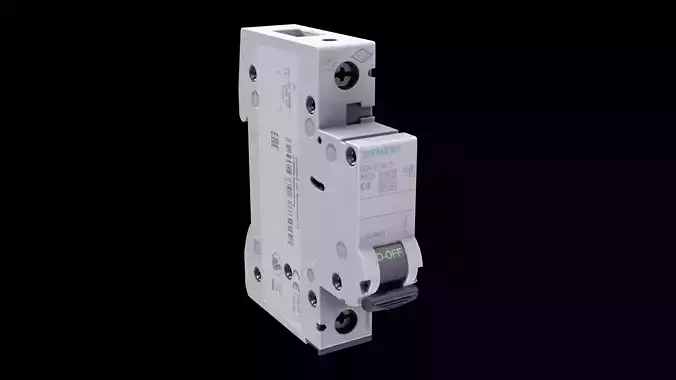
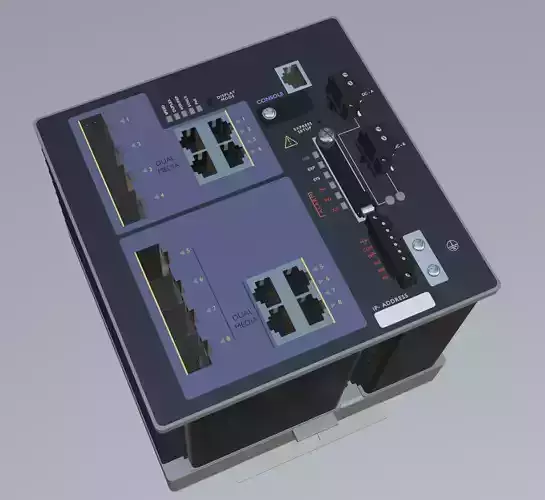
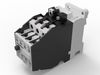
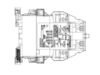
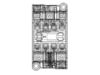
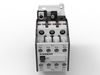
This product has been designed with high accuracy and realistic measurements and can be used on all programs and all uses from internal or external design or making a motion video or showing it with more than one work

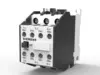
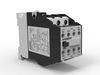
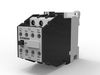
An electrical contactor is an electromechanical device used for controlling the flow of electrical power in a circuit. It is essentially a switch that is operated by an electromagnetic coil. Contactors are widely used in industrial and commercial applications to control motors, lighting systems, heating elements, and other electrical loads.

Here are some key components and features of an electrical contactor:

  1. Coil: The coil is an electromagnetic winding that generates a magnetic field when an electric current passes through it. This magnetic field is used to control the opening and closing of the contactor's contacts.

  2. Contacts: Contacts are the main switching elements of a contactor. There are typically at least two sets of contacts: main contacts and auxiliary contacts. The main contacts carry the current to the load, while the auxiliary contacts are used for control signals or auxiliary functions.

  3. Normally Open (NO) and Normally Closed (NC) Contacts: The main contacts of a contactor can be either normally open or normally closed. In the de-energized state, the normally open contacts are open, and the normally closed contacts are closed. When the coil is energized, the contacts change their state accordingly.

  4. Arc Suppression: When the contacts of a contactor open or close, an electric arc may form between them due to the high currents involved. To suppress this arc and prevent damage to the contacts, contactors often incorporate arc suppression techniques, such as arc chutes or magnetic blowouts.

  5. Control Circuit: Contactors are controlled by a separate control circuit. This circuit typically includes a control voltage source, such as a push button, switch, or relay, which activates the contactor coil to close or open the contacts.

  6. Ratings: Contactors are designed to handle specific voltage and current ratings, and they are selected based on the electrical load they will control. Important ratings include the maximum voltage, current carrying capacity, and the number of poles (typically 3 poles for three-phase applications).

  7. Mechanical Interlock: In some contactors, a mechanical interlock is provided to prevent simultaneous closure of the main contacts and ensure proper sequencing. This interlock mechanism helps prevent short circuits and improves safety.

Contactors are chosen based on factors such as the type of load, switching frequency, environmental conditions, and electrical requirements of the application. They offer reliable and durable switching capability, making them essential components in electrical control systems for various industries.

REVIEWS & COMMENTS

See what other buyers think about this model - real feedback on quality,
accuracy, and usability.
There are no reviews or comments yet. Please be the first one to write it.
BEST PRICE GUARANTEED
Found this model cheaper on another marketplace? Let our support team know - we’ll match it.

Contactor Low-poly 3D model

Editorial License (no AI)
Hire
Like this model to show appreciation to the designer.
See how many times this model was viewed.
Share this model to support the designer and boost their visibility.
Native file format
MAX
Size: 12.7 MB
Renderer: Arion | 2023 | 2023
Exchange formats
BLEND
Blender<br />Version: 3.2.2 - Renderer: Default 3.2.2<br />File Size: 13.8 MB
OBJ
OBJ | 2 files<br />File Size: 10.2 MB
FBX
Autodesk FBX<br />File Size: 1.73 MB
C4D
Cinema 4D<br />Version: 2022 - Renderer: Default 2022<br />File Size: 6.41 MB
GLTF
glTF<br />File Size: 5.97 MB
3MF
3D Manufacturing File<br />File Size: 1.67 MB
IAM
Autodesk Inventor<br />Version: 2023 - Renderer: Octane 2023<br />File Size: 14.1 MB
SLDPRT
SolidWorks<br />Version: 2022 - Renderer: Mental Ray 2022<br />File Size: 16.3 MB
Provided by designer
Information and details shared directly by the model's designer.
3D Features
The model includes animations (movement or actions) that can be played in supported software or engines.
The model has a skeleton or bone structure, making it ready for posing or animation.
PBR
Uses Physically Based Rendering materials, which give the model realistic lighting and surface properties.
Textures
The model includes image files (textures) that add color, patterns, or detail to its surfaces.
Materials
The model has material settings that define how surfaces look (color, shine, transparency, etc.).
UV Mapping
The model's surfaces are mapped to a 2D image, allowing textures to display correctly.
Plugins Used
Some external plugins were used to create the model. These may be required for full functionality.
3D printing
Indicates whether the designer marked this model as suitable for 3D printing.
Model is not 3D printable
The designer indicates this model is intended for digital use only (rendering, animation, or AR/VR) and not for 3D printing.
Geometry
Other
The model uses a different geometry type (e.g., voxels, point cloud).
141938 polygons
The total number of polygons (flat shapes) that make up the 3D model.
/ 131849 vertices
The number of points (corners) that define the shape of the model's polygons.
Unwrapped UVs
Publish date
Model ID
Chat