

DESCRIPTION

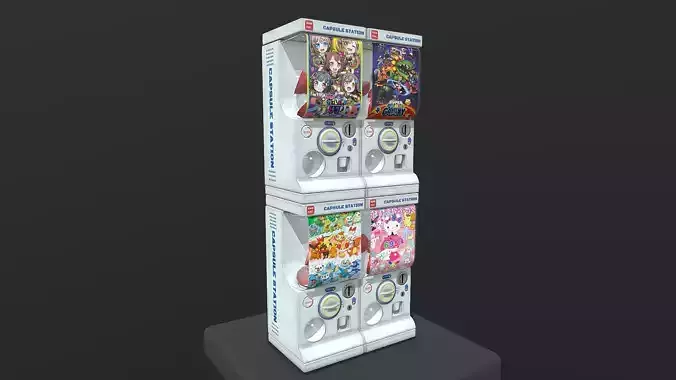
In Japan, a gacha capsule is the small plastic container that comes out of a vending machine called a gachapon (or gashapon) machine. These machines are very popular in Japan and can be found in places like toy stores, shopping malls, train stations, arcades, and sometimes even supermarkets.

To use the machine, you insert coins—usually 100 to 500 yen—and turn a handle. When you turn the handle, the machine makes a clicking sound (“gacha gacha”), and a plastic capsule ball drops out. That capsule contains a random toy or collectible item inside.

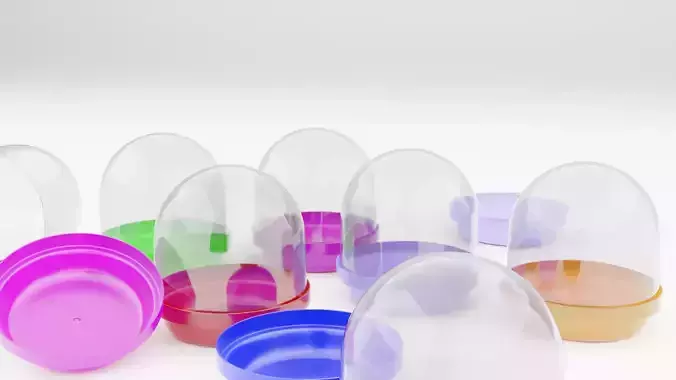
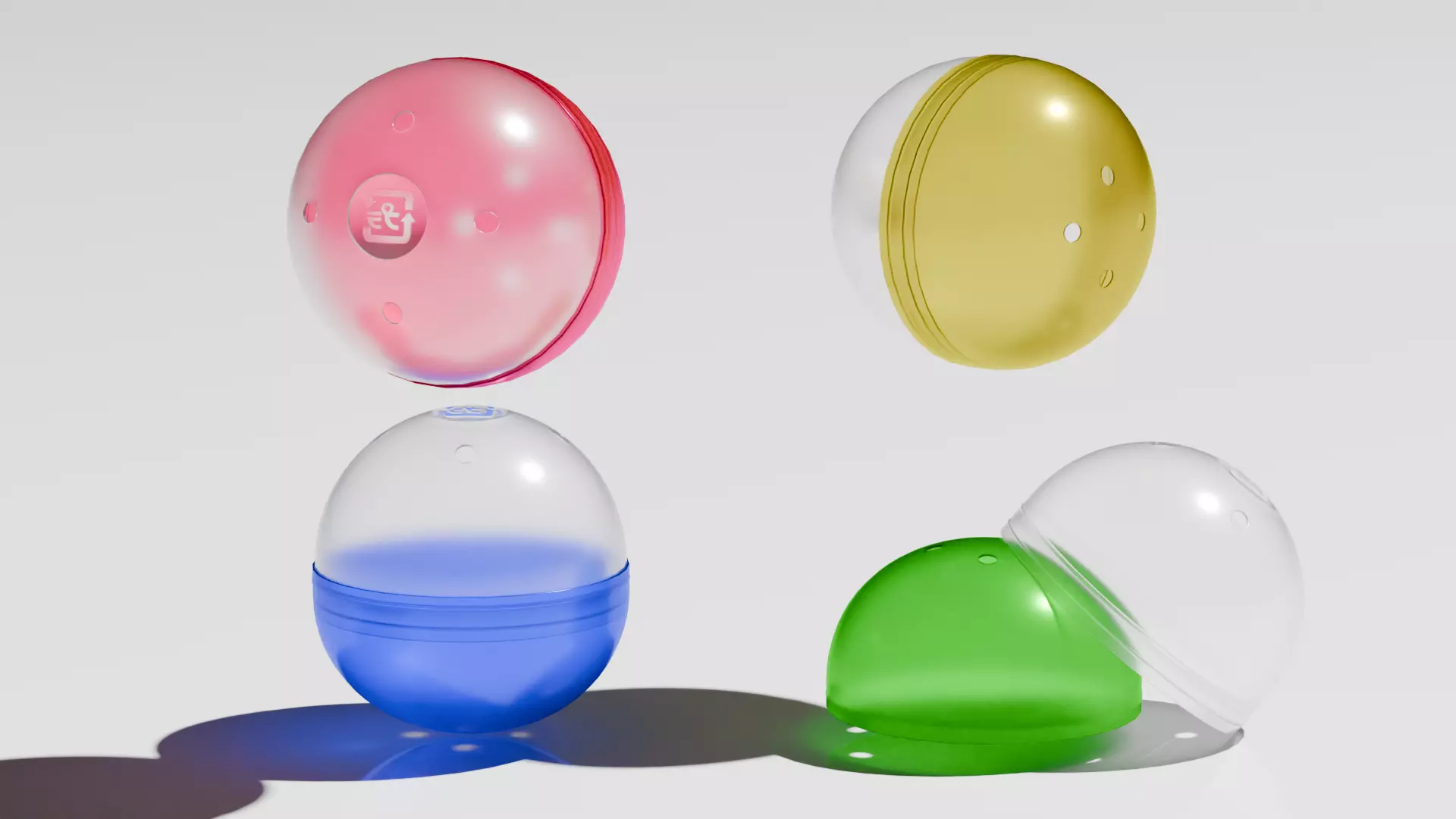
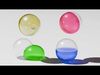
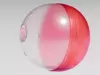
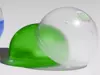
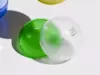
The capsule itself is usually a round plastic ball made of two halves that snap together. They are often about 5 to 7 centimeters (around 2–3 inches) in diameter. One half may be clear so you can see the toy after opening it, while the other half is often colored.

Inside the capsule, you typically find:

  • a small toy, figure, or miniature item
  • a folded paper leaflet that shows all the possible items in that series

The key point is that you don’t know which item you will get. Each machine contains several different designs, so collecting the full set can take multiple tries. This random aspect is part of the fun and excitement.

Japanese gachapon toys are famous for their high quality and creativity. They can include things like:

  • anime and game character figures
  • miniature food replicas
  • tiny animals or dinosaurs
  • realistic everyday objects in miniature (like tiny cameras, chairs, or tools)

Even adults collect them because many of the designs are very detailed and unique.

After opening the capsule, people often reuse the plastic capsule for storage, crafts, or small items, although many people simply recycle them.

Because of their fun randomness and collectible nature, gachapon capsules have become a unique and iconic part of Japanese pop culture.

REVIEWS & COMMENTS

See what other buyers think about this model - real feedback on quality,
accuracy, and usability.
There are no reviews or comments yet. Please be the first one to write it.

Japanese GACHA CAPSULE 3D model

$2.00
Royalty Free License
Hire
Like this model to show appreciation to the designer.
See how many times this model was viewed.
Share this model to support the designer and boost their visibility.
Native file format
BLEND
Size: 1.79 MB
Renderer: Cycles | 5.0.1
Exchange formats
OBJ
OBJ | 2 files<br />File Size: 7.14 MB
FBX
Autodesk FBX<br />File Size: 2.55 MB
GLTF
glTF<br />File Size: 2.57 MB
STL
Stereolithography<br />File Size: 5.29 MB
Verified by CGTrader
Verified models are of higher quality as they have
passed CGT Standard technical and visual checks,
making them more professional-grade 3D assets.
Learn more.
FBX
This FBX file has successfully passed the CGT Standard technical and visual checks. The verification results are detailed in the section below.
File & scene
Binary FBX
Binary FBX file is more compact and faster to load and process.
Learn more
No unsupported objects
Unsupported objects:
- Lights
- Cameras
Learn more
Geometry
No N-gons
N-gons are polygons with five or more sides which might cause issues in certain processes like rendering or animation. Learn more
No faceted geometry
Faceted geometry uses flat surfaces without smoothing, which can look unrealistic on curves.
Learn more
Manifold geometry
Manifold geometry ensures all surfaces are properly connected, avoiding issues like edges shared by more than two faces.
Learn more
Textures & material
PBR textures
PBR textures simulate how light interacts with materials, making the model look realistic under different lighting.
Required PBR textures:
- Base Color
- Roughness
- Metalness
- Normal
Learn more
No embed textures
Embedded textures are stored inside the model file, increasing its size and sometimes causing compatibility issues.
Learn more
Square textures
Texture aspect ratio is the width-to-height ratio of a texture. Expected texture aspect ratio: 1:1
Learn more
Power of 2 texture sizes
Textures with dimensions in power of two (e.g. 512x512px, 1024x1024px) are used to optimize performance and memory usage.
Learn more
Assigned materials
Materials are applied to the 3D model to allow visualize a model's surface properties and appearance.
Learn more
UVs & naming
No UV overlaps
UVs overlap when multiple points on the 3D model's surface are mapped to the same point on the UV island causing texture stretching.
Learn more
UV unwrapped model
A UV unwrapped model means its 3D surface is flattened into 2D space, allowing textures to be applied accurately.
Learn more
Allowed characters
Allowed ASCII characters: a-zA-Z0-9-_
Learn more
Provided by designer
Information and details shared directly by the model's designer.
3D Features
Textures
The model includes image files (textures) that add color, patterns, or detail to its surfaces.
Materials
The model has material settings that define how surfaces look (color, shine, transparency, etc.).
UV Mapping
The model's surfaces are mapped to a 2D image, allowing textures to display correctly.
Plugins Used
Some external plugins were used to create the model. These may be required for full functionality.
3D printing
Indicates whether the designer marked this model as suitable for 3D printing.
Model is not 3D printable
The designer indicates this model is intended for digital use only (rendering, animation, or AR/VR) and not for 3D printing.
Geometry
Polygon mesh
A model built from polygons (triangles or quads) connected in a mesh.
55372 polygons
The total number of polygons (flat shapes) that make up the 3D model.
/
110834 vertices
The number of points (corners) that define the shape of the model's polygons.
Unwrapped UVs
Publish date
Model ID
Chat