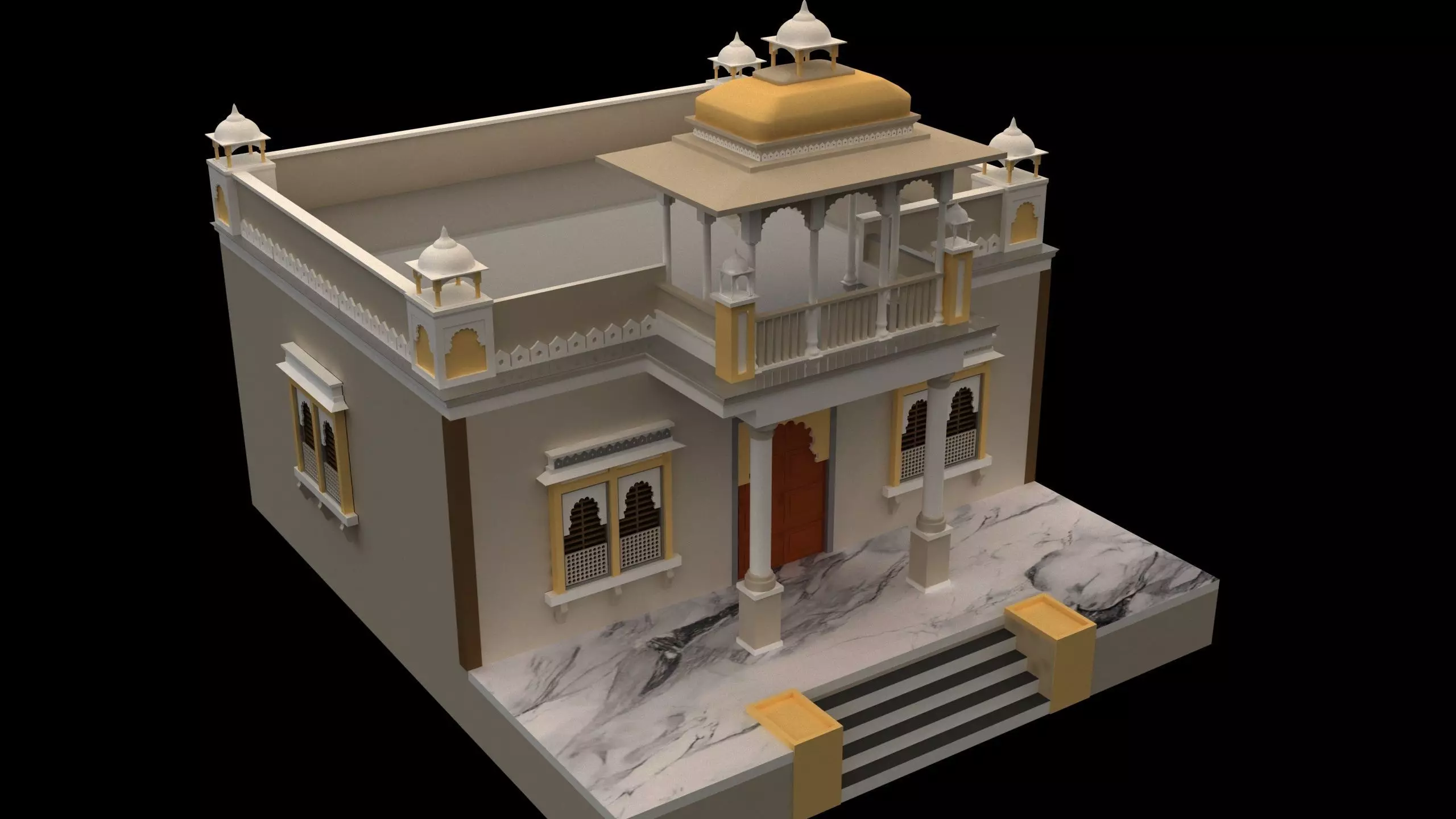
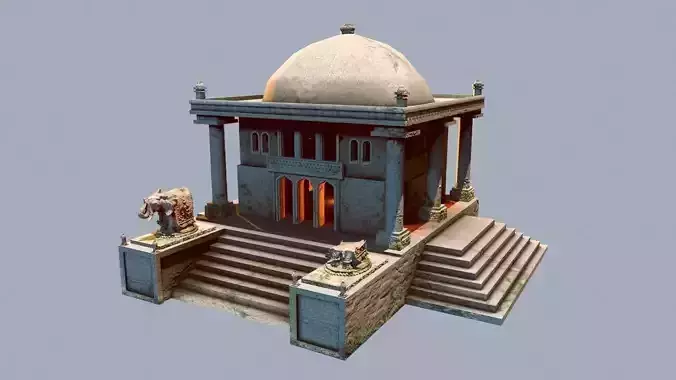
Indian architecture is a rich and diverse tradition shaped by geography, climate, religion, and centuries of cultural exchange. It reflects the spiritual depth, artistic excellence, and historical layers of the Indian subcontinent.
From the ancient urban planning of the Indus Valley Civilization—with its grid layouts, drainage systems, and baked-brick houses—to the rock-cut caves of Ajanta and Ellora, early Indian architecture emphasized functionality, symbolism, and harmony with nature.
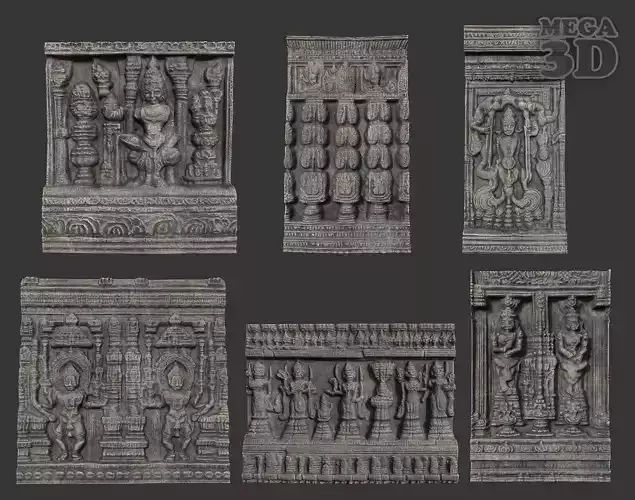
Temple architecture forms a major pillar, characterized by intricate carvings, towering spires (shikharas), and sacred geometry. Styles vary regionally, from the curvilinear towers of northern India (Nagara style) to the stepped pyramidal forms of the south (Dravidian style), as seen in temples like those at Khajuraho and Brihadeeswarar Temple.
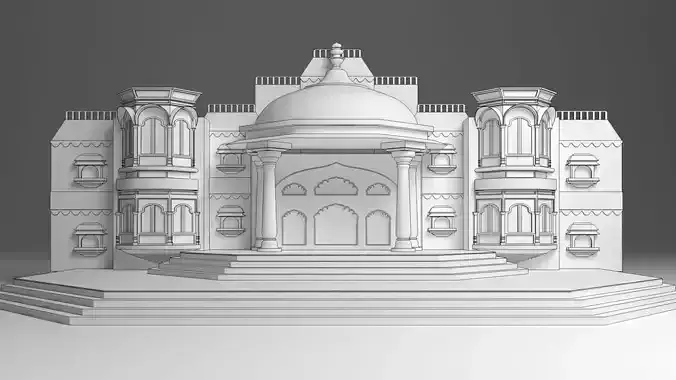
The arrival of Islamic dynasties introduced Indo-Islamic architecture, blending Persian, Central Asian, and Indian elements. This reached its height during the Mughal era, producing iconic monuments such as the Taj Mahal, known for its symmetry, domes, arches, and delicate inlay work.
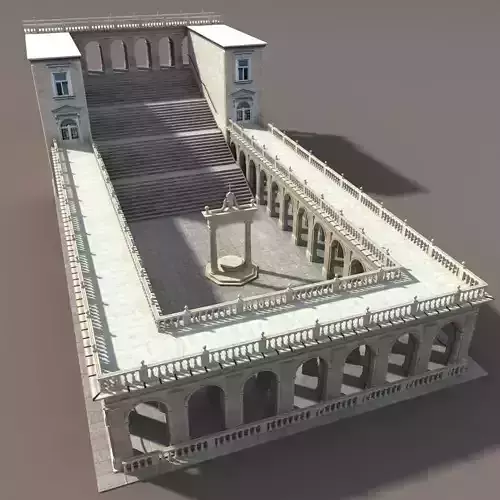
During the colonial period, Indian architecture absorbed European styles, resulting in hybrid forms like Indo-Saracenic buildings. Today, modern Indian architecture combines traditional principles with contemporary materials and sustainable design.
Overall, Indian architecture is a living continuum—rooted in tradition yet constantly evolving—expressing the country’s cultural plurality and historical depth.