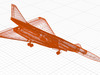
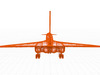
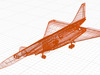
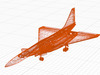
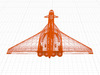
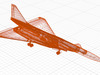
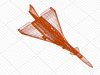
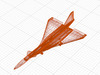
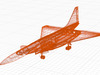
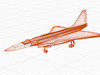
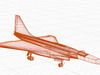
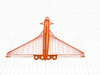
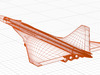
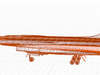
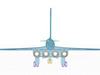
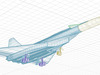
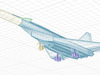
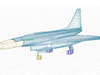
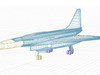
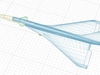
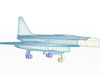
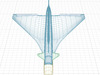
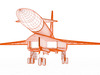
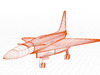
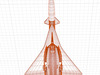
Perfect for use in games and simulation projects
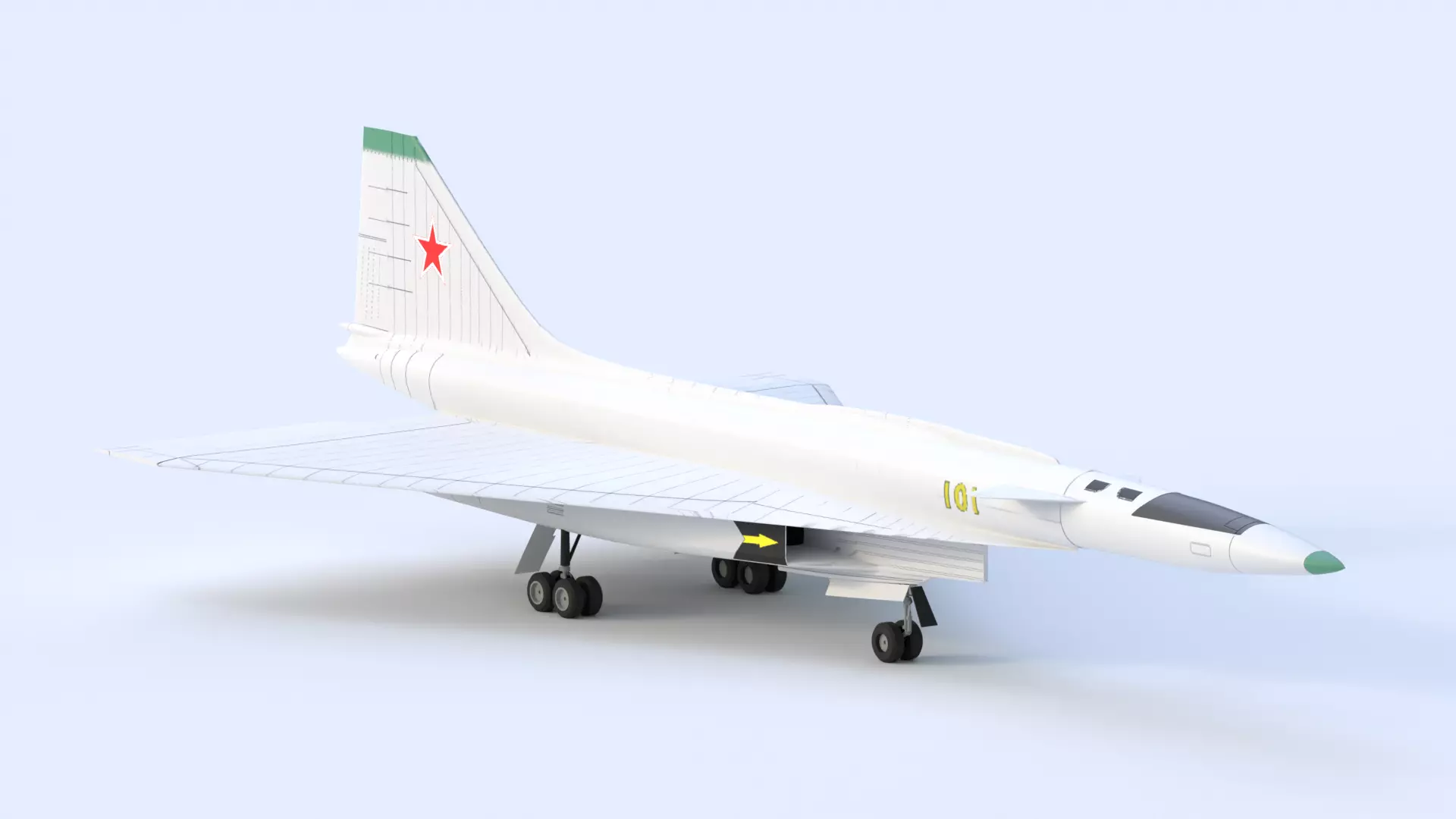
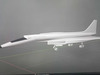
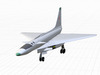
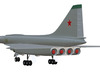
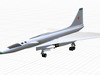
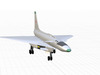
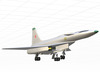
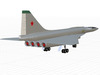
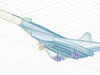
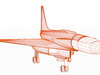
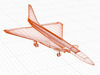
The Sukhoi T-4 Sotka was a Soviet-designed supersonic bomber and reconnaissance aircraft developed during the Cold War, primarily aimed at targeting NATO aircraft carriers. Designed in the 1960s by Sukhoi under the leadership of Pavel Sukhoi, the aircraft was envisioned as a high-speed, high-altitude bomber capable of deep-strike missions, particularly against naval targets. The Soviet Union recognized the growing capabilities of NATO’s aircraft carriers and sought to develop an anti-carrier weapon system. The T-4 was to carry precision-guided munitions that could potentially sink or severely damage large ships, especially aircraft carriers.
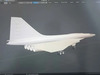
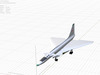
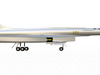
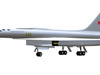
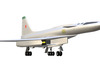
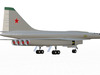
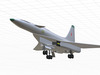
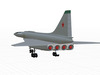
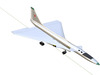
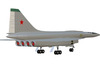
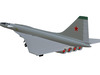
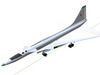
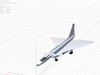
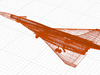
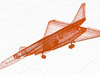
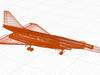
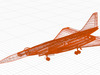
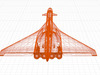
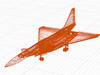
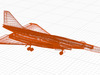
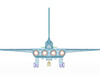
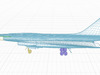
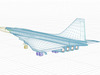
The T-4 featured a delta-wing design, similar to the Concorde and the Mirage III, with a combination of titanium and aluminum to ensure it was lightweight and resistant to the stresses of high-speed flight. It was powered by four Tumansky R-15B-300 engines, capable of propelling the aircraft to speeds of Mach 2.5, making it one of the fastest bombers in its class. The aircraft also incorporated design elements aimed at reducing its radar cross-section, though it was not a true stealth aircraft. Its avionics included advanced navigation and targeting systems, enhancing its ability to operate in hostile environments.
In terms of armament, the T-4 was designed to carry heavy air-to-surface missiles such as the AS-4 'Kitchen' anti-ship missile, capable of delivering devastating strikes on large naval targets, including aircraft carriers. Additionally, it could carry conventional bombs and guided munitions, making it versatile for various strategic missions. Despite successful test flights beginning in 1972, the program faced multiple challenges. High production costs, maintenance difficulties, and competition from other bomber programs like the Tu-22M Backfire and Tu-160 Blackjack led to the project’s eventual cancellation.
The T-4 program was officially ended before mass production began, and only a few prototypes were constructed. Most of these were scrapped or destroyed after the program was canceled, though a few examples remain in museums in Russia. Despite never reaching full operational status, the T-4 Sotka had a lasting impact on Soviet and Russian aviation. Its emphasis on supersonic speed, long-range strike capabilities, and advanced avionics influenced the design of future bombers, including the Tupolev Tu-160. The T-4 also highlighted the Soviet Union's military strategy of countering NATO's maritime dominance, though, in hindsight, its design was somewhat outdated by modern air defense technologies.
The T-4 Sotka’s unique appearance, with its sleek fuselage and triangular wings, often drew comparisons to the civilian Concorde, though its purpose was strictly military. While its mission as a carrier killer was never realized, the T-4 was a significant technological achievement, pushing the boundaries of Soviet aviation during its era. However, as with many Cold War-era projects, it ultimately became a victim of shifting military priorities and political realities, leaving behind only a legacy of ambition and innovation.
Formats include: OBJ, FBX. Feel free to check out the other models, just click on the user name to see the complete portfolio.