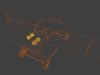
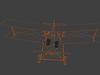
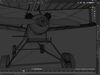
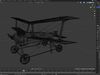
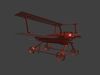
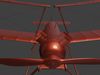
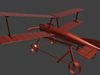
Perfect for Use in Games and Simulation Projects
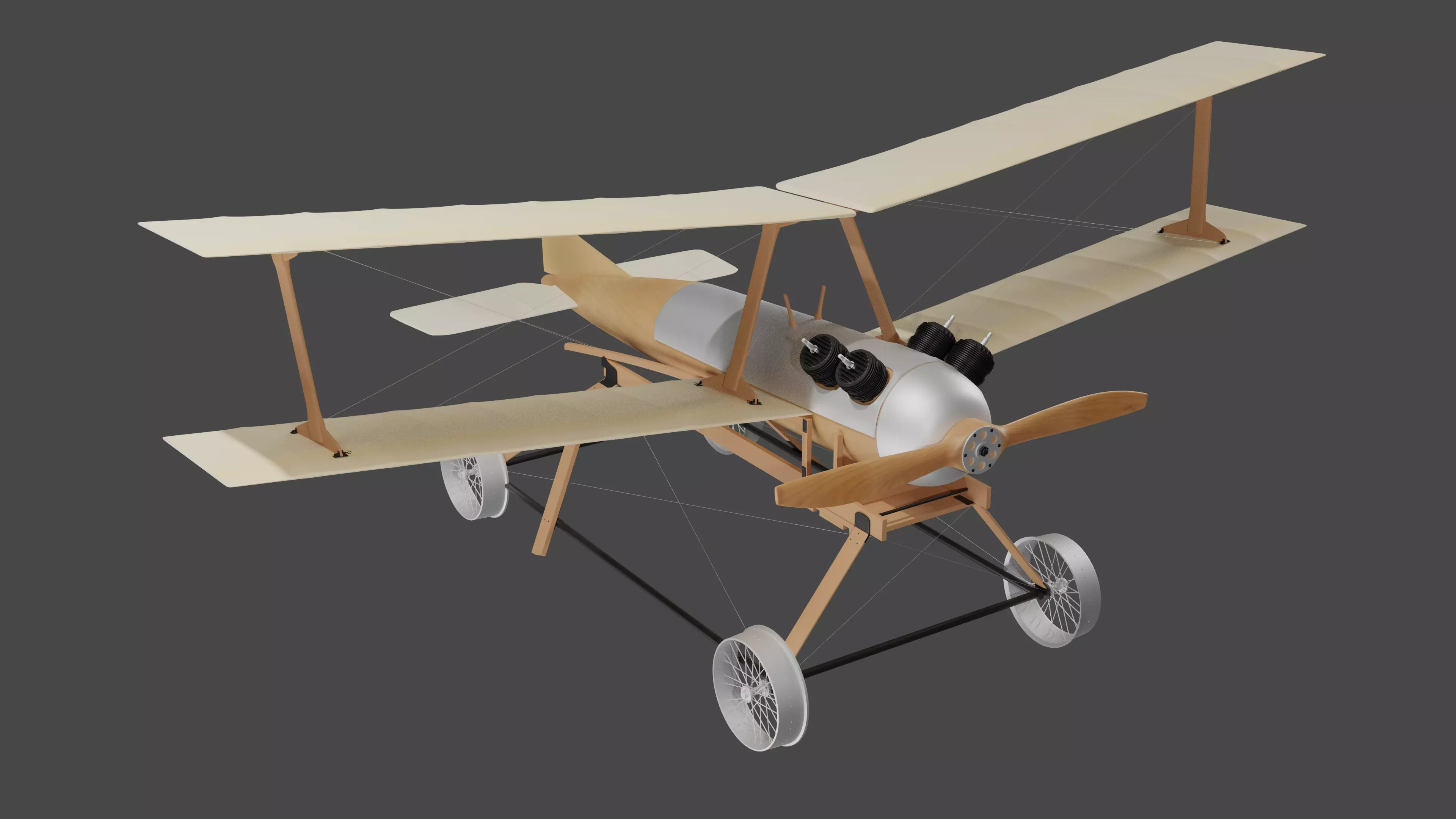
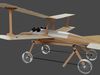
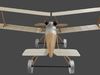
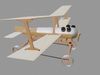
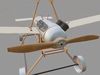
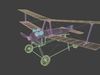
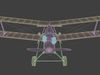
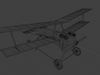
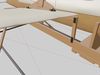
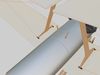
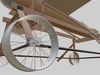
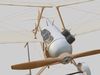
The Kettering Bug is an exceptional asset for historical games, museums, educational software, engineering visualisations, and military history simulations because it represents one of the world's earliest autonomous aerial vehicles. Developed during the First World War, the Kettering Bug occupies a unique place in aviation history as an experimental pilotless aircraft that introduced many of the concepts that would later influence modern unmanned aerial systems. Its innovative design and historical significance make it an outstanding subject for highly detailed 3D modeling and interactive digital experiences. Unlike conventional aircraft of its era, the Kettering Bug was engineered to fly a pre-planned route without an onboard pilot. Its lightweight wooden airframe, compact fuselage, detachable wings, simple landing carriage, and propeller-driven engine create a distinctive appearance that immediately stands out among early twentieth-century aircraft. These characteristics provide artists with numerous opportunities to produce historically accurate, high-quality digital models featuring detailed structural components, realistic materials, and authentic mechanical construction.
One of the aircraft's most fascinating features is its pioneering automatic guidance system. Rather than relying on direct pilot control, the Kettering Bug employed a mechanical guidance mechanism that counted engine revolutions before initiating its terminal flight sequence. This unique engineering concept offers developers the opportunity to recreate one of the earliest examples of autonomous flight technology, allowing users to explore the origins of automated aerial navigation through engaging and historically accurate simulations. The aircraft is particularly well suited for educational and historical applications. Interactive museum exhibits, aviation history software, classroom demonstrations, and virtual learning environments can use the Kettering Bug to illustrate the rapid technological advances that occurred during the First World War. Detailed animations can demonstrate how the aircraft was assembled, launched, navigated, and operated, helping users understand the engineering principles behind one of aviation's earliest unmanned flying machines.
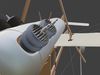
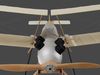
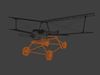
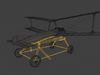
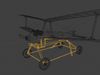
For historical strategy games and military simulations, the Kettering Bug introduces gameplay mechanics that differ significantly from conventional aircraft. Developers can design missions focused on experimental technology trials, prototype testing, logistics planning, and early autonomous flight operations. These scenarios encourage players to consider navigation, timing, weather conditions, and mission planning rather than conventional aerial combat, adding depth and variety to historical campaigns. The Kettering Bug also offers excellent opportunities for detailed mechanical modeling. Its exposed framework, propeller assembly, engine installation, control surfaces, structural bracing, and launch equipment can all be recreated with high levels of accuracy. These components make the model especially suitable for engineering visualisations, cutaway animations, technical demonstrations, and restoration projects where users can examine individual systems in detail.
Its compact dimensions and relatively simple construction also make it an excellent asset for virtual reality experiences, digital museums, documentary productions, and interactive exhibitions. Users can inspect every aspect of the aircraft from close range, explore its innovative engineering, and gain a deeper appreciation for the technological advances that helped shape the future of autonomous aviation. Whether featured in a historical flight simulator, educational platform, engineering visualisation, museum exhibition, documentary, or First World War strategy game, the Kettering Bug delivers a rare combination of historical importance, mechanical innovation, and educational value. Its pioneering autonomous flight system, distinctive construction, and remarkable place in aviation history make it an ideal digital asset for developers seeking an authentic representation of one of the earliest milestones in unmanned aircraft technology.
Formats include: OBJ, FBX.
Feel free to explore the complete portfolio by clicking on the user name to discover additional high-quality aviation models for games, simulation, virtual reality, engineering visualisation, and historical projects.