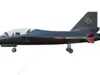
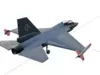
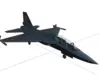
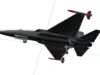
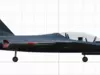
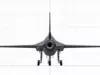
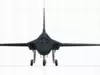
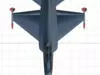
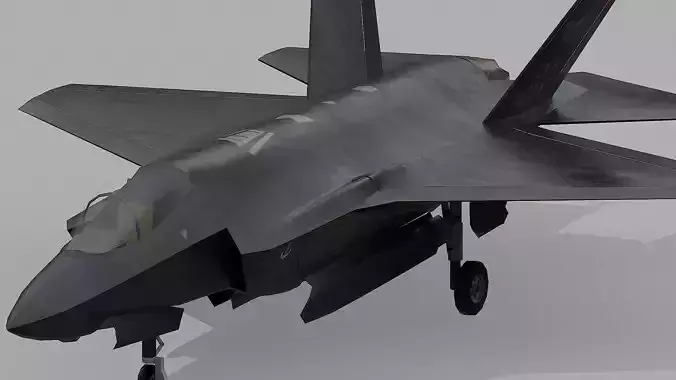
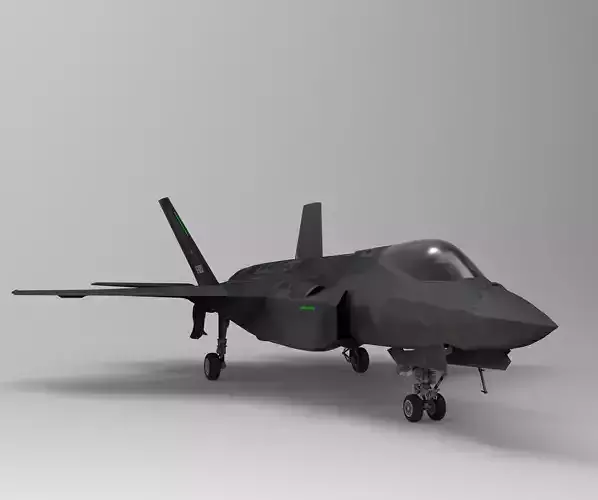
Perfect for use in games and simulation projects.
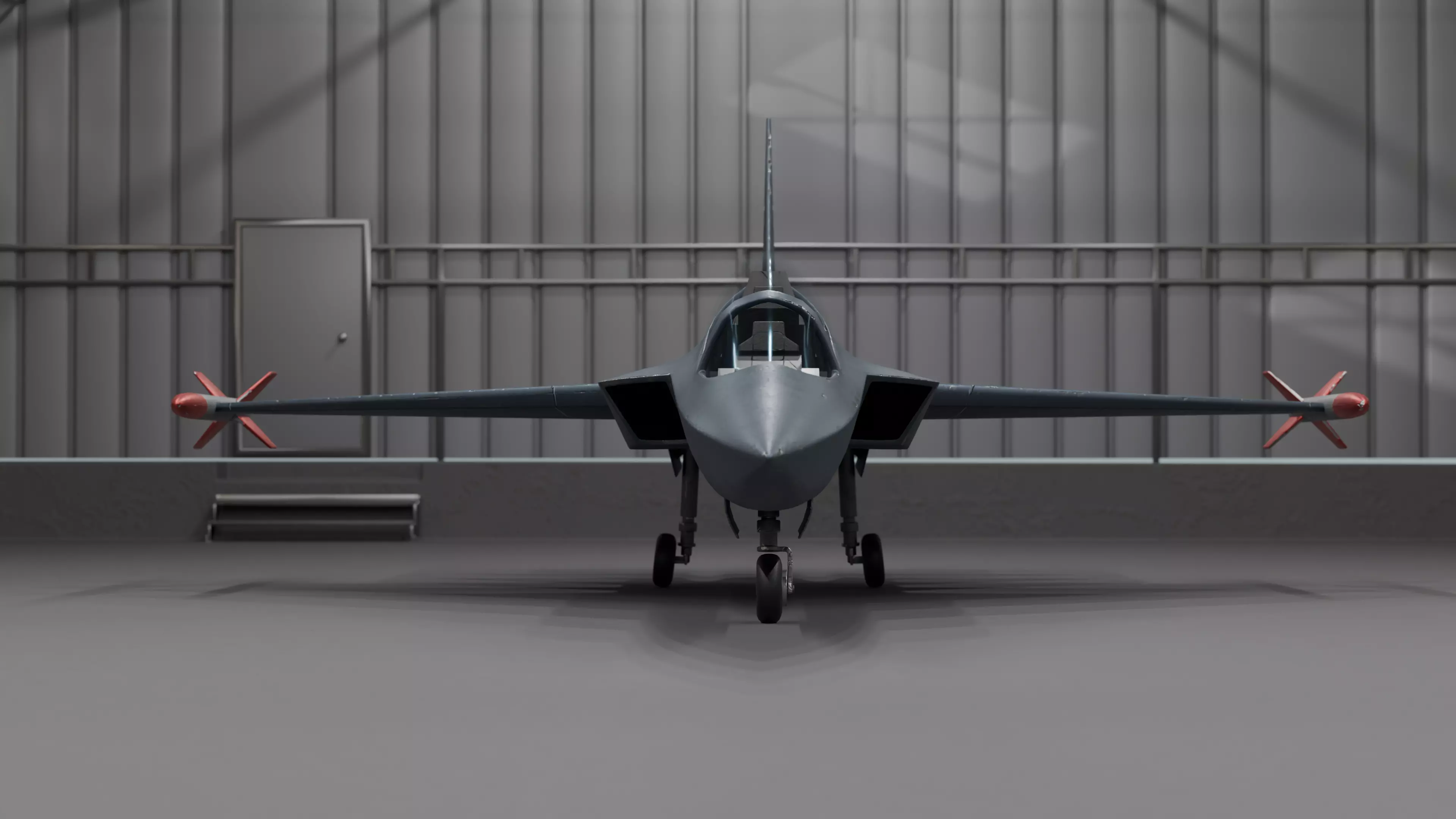
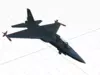
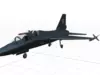
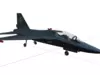
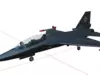
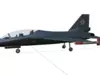
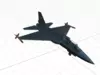
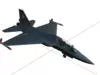
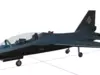
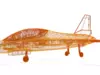
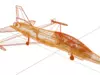
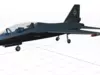
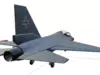
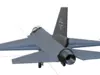
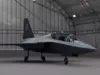
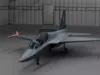
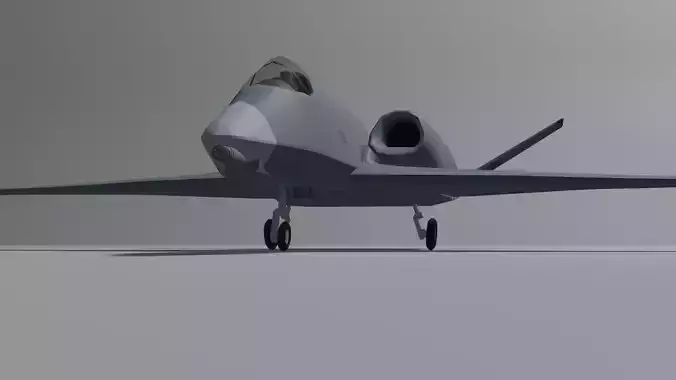
The EADS Mako/HEAT (High Energy Advanced Technology) was a proposed supersonic advanced jet trainer and light attack aircraft designed in the early 2000s by EADS Military Aircraft, a division of the European Aeronautic Defence and Space Company (now Airbus Defence and Space). The program was initiated in response to the need for a next-generation training platform capable of preparing pilots for high-performance combat aircraft such as the Eurofighter Typhoon, Rafale, and the F-35 Lightning II. The Mako/HEAT was also envisioned as a cost-effective multirole aircraft capable of performing light attack and reconnaissance missions, thus broadening its appeal beyond pilot training alone.
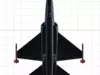
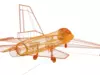
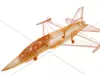
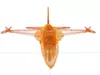
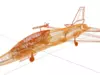
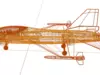
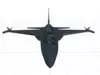
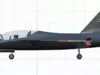
Design-wise, the Mako was conceived with a strong emphasis on stealth and agility. It featured a sleek, angular airframe with a reduced radar cross-section, using a canard-delta wing configuration inspired by contemporary European fighter designs. The aircraft incorporated extensive use of advanced composite materials, particularly carbon fiber-reinforced plastics, to reduce weight and enhance its radar-absorbing qualities. The fuselage was shaped with attention to minimizing infrared and radar signatures, reflecting growing emphasis on survivability in contested airspace. The tandem-seat cockpit configuration allowed for training purposes, but the design also supported single-seat variants for combat operations.
The aircraft was planned to be powered by a single General Electric F414-GE-400 turbofan engine, the same powerplant used in the F/A-18E/F Super Hornet. This engine would have provided the Mako with excellent thrust-to-weight performance, enabling sustained supersonic flight and the high-G maneuverability necessary for both combat training and real-world operations. The thrust vectoring capabilities of the engine, though not officially confirmed, were speculated as a potential feature to enhance agility. The Mako was expected to achieve a top speed of around Mach 1.5, with a service ceiling exceeding 14,000 meters (approximately 46,000 feet), and a combat radius of over 1,000 kilometers, depending on payload and mission profile.
Avionics and systems integration were key highlights of the Mako/HEAT project. The aircraft was to feature a fully digital fly-by-wire (FBW) system, advanced glass cockpit interfaces with multifunction displays, and an embedded training system to simulate radar, electronic warfare, and weapons systems without the need for live ordnance. These systems were meant to create a seamless transition for pilots moving on to high-performance, 4.5 or 5th-generation fighters. The Mako’s modular avionics architecture would have allowed easy upgrades and integration of various NATO-standard sensors and communications systems.
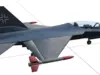
In terms of armament, the Mako was designed with seven external hardpoints—two under each wing, one on each wingtip, and one under the fuselage—capable of carrying a range of NATO-compatible weapons. These included AIM-9 Sidewinders, laser-guided bombs, air-to-ground missiles, and reconnaissance pods. Though not a frontline combat aircraft, the Mako was envisioned to be capable of participating in peacekeeping operations, counter-insurgency, and other low-intensity conflict roles.
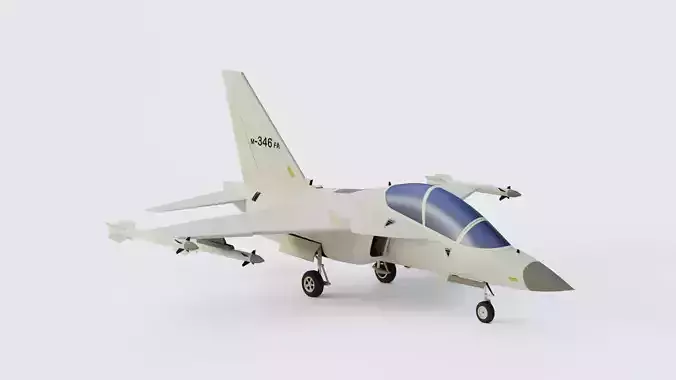
The Mako/HEAT was submitted as a candidate for the NATO Advanced European Jet Pilot Training (AEJPT) program, which sought a common platform for training fighter pilots across NATO nations. Despite its innovative features and EADS’ strong industrial backing, the program failed to secure sufficient international funding or customer commitments. Several factors contributed to its stagnation: increasing development costs, a crowded trainer aircraft market, and preference among NATO allies for more mature or cost-efficient platforms, such as the Leonardo M-346 Master, BAE Hawk, and KAI T-50 Golden Eagle.
By the late 2000s, the Mako/HEAT project was effectively shelved. Nevertheless, the Mako/HEAT remains a noteworthy example of European aerospace innovation. It combined advanced technologies, stealth-influenced design, and multirole flexibility at a time when such features were just becoming essential in combat and training aircraft. Many of the design principles and systems envisioned for the Mako influenced future aircraft developments and underscored the growing convergence between training and light combat capabilities.
Formats include: OBJ, FBX. Feel free to check out the other models, just click on the user name to see the complete portfolio.