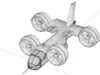
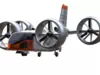
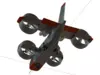
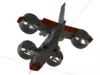
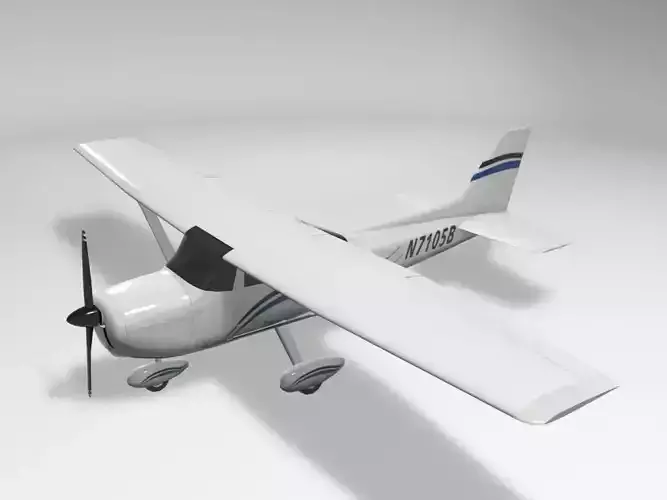
Perfect for use in games and simulation projects.
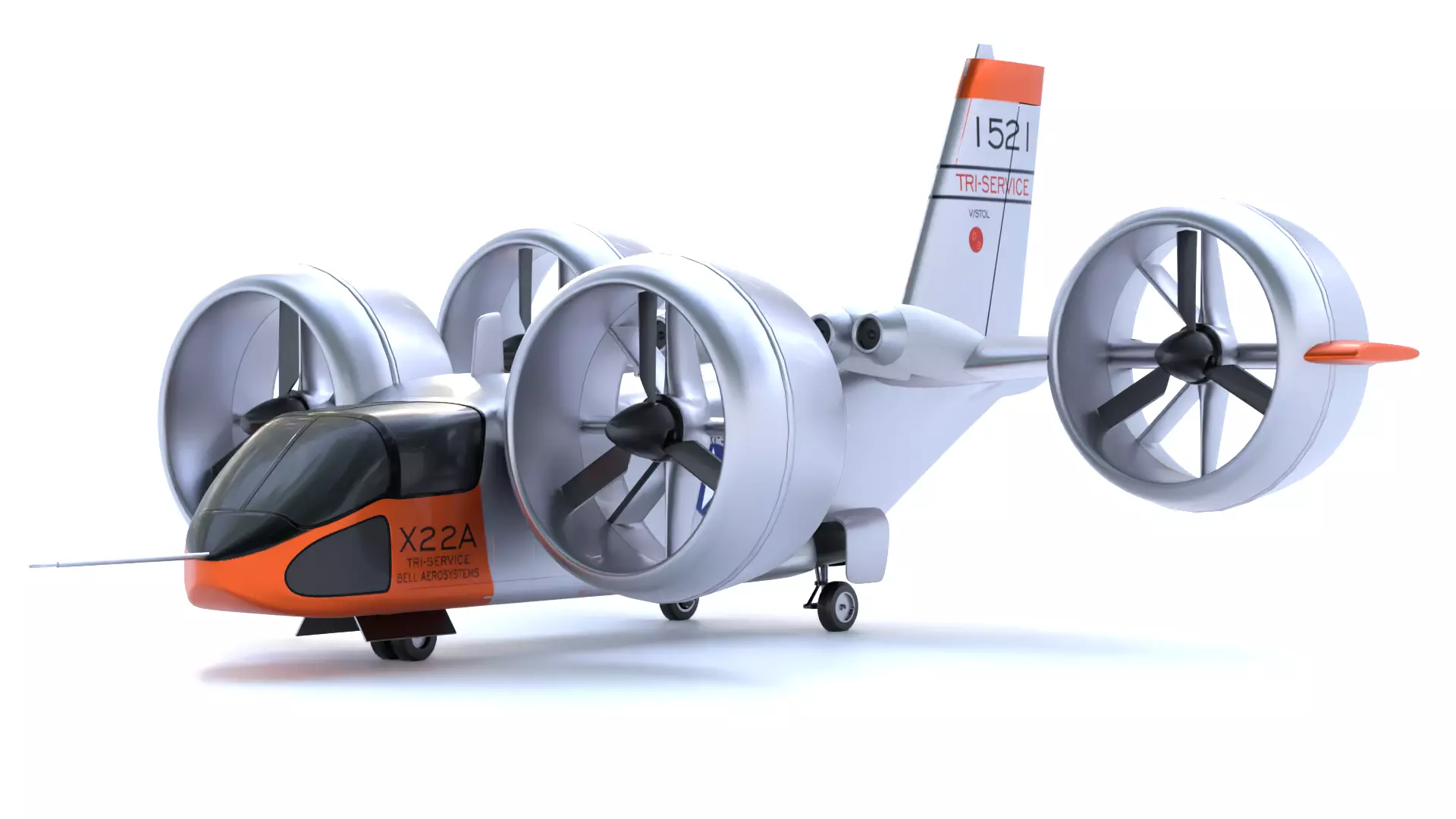
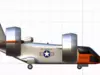
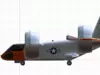
The Bell X-22 was a highly innovative experimental aircraft developed in the 1960s by Bell Aerospace to explore the feasibility and performance of vertical takeoff and landing (VTOL) transport aircraft for military applications. Conceived during a period of intense interest in advanced propulsion and flight systems, the X-22 was part of a broader research effort by the United States Navy and Air Force to develop high-speed VTOL platforms that could operate in and out of confined areas, such as forward operating bases or improvised landing zones, while offering greater speed, range, and payload capacity than helicopters.
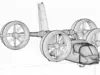
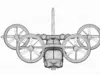
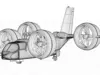
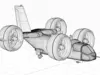
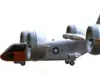
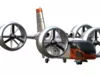
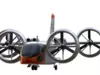
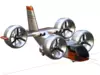
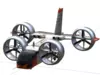
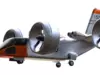
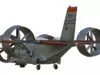
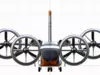
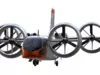
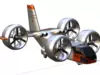
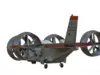
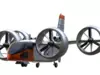
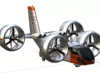
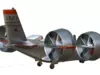
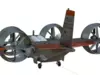
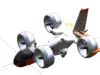
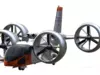
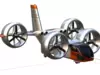
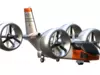
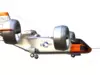
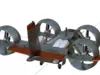
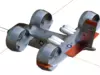
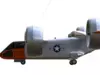
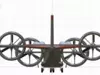
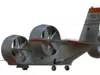
What set the X-22 apart from other VTOL concepts of the era was its distinctive design, which utilized four large ducted fans mounted at the ends of its short, high-mounted wings and twin tail booms. These fans were fully tiltable, meaning they could be rotated from a vertical position—used for takeoff, hovering, and landing—to a horizontal orientation for conventional forward flight. The ducted fans were powered by two General Electric YT58-GE-8D turboshaft engines, each connected to a central gearbox and distributed through drive shafts to all four fans. This interconnected propulsion system ensured redundancy and stability in the event of an engine failure, a critical requirement for safe VTOL operation.
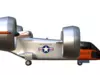
The aircraft’s configuration was unconventional, featuring a boxy fuselage with a large cargo area, a V-tail mounted on the twin booms, and extensive flight control systems designed to manage the complex transitions between vertical and horizontal flight. The use of ducted fans provided improved thrust efficiency and reduced rotor tip vortex noise compared to open rotors or tiltrotors, making the X-22 a valuable test platform for future transport aircraft technologies. The fan shrouds also offered an added degree of safety by enclosing the rotors, which was particularly important for operations in crowded or hazardous environments.
The first prototype of the X-22 made its maiden hover flight in March 1966. Unfortunately, this aircraft was destroyed later that year in a crash during testing due to a mechanical failure in the control system. A second prototype, designated X-22A, was built with improved systems and resumed the test program. It successfully completed more than a hundred test flights, providing a wealth of data on VTOL performance, ducted-fan aerodynamics, and fly-by-wire control integration. The X-22 demonstrated transition from hover to horizontal flight and back with remarkable stability, achieving speeds over 300 miles per hour and altitudes exceeding 10,000 feet. Its control system, which allowed for precise vectoring of thrust and fine control in all phases of flight, was considered highly advanced for its time.
Although the X-22 never entered production or operational service, it fulfilled its purpose as a research aircraft. The information gathered from its extensive flight testing directly contributed to the development of next-generation VTOL aircraft. In particular, the X-22's findings on thrust vectoring, aerodynamic stability during mode transitions, and multi-engine ducted fan coordination influenced the design of later tiltrotor aircraft such as the Bell XV-15 and the operational Bell Boeing V-22 Osprey, both of which combined vertical lift with airplane-like speed and range.
Today, the Bell X-22 is remembered not as a failed program, but as a pioneering effort that advanced the boundaries of aeronautical engineering and laid critical groundwork for modern vertical lift aircraft. One of the surviving X-22 prototypes is preserved at the Niagara Aerospace Museum in New York, where it stands as a testament to a bold era of aerospace experimentation and innovation.
Formats include: OBJ, FBX. Feel free to check out the other models, just click on the user name to see the complete portfolio.