DESCRIPTION

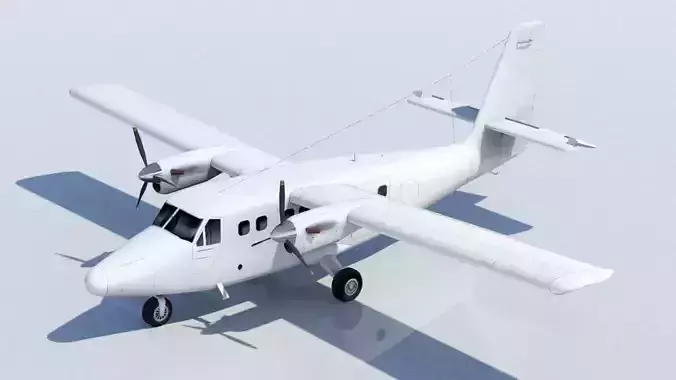
The de Havilland Canada DHC-6 Twin Otter, often referred to as the Twin Otter, is a versatile and much-loved turboprop aircraft. Here’s a brief history of this remarkable plane: Origins: The development of the Twin Otter dates back to 19641. De Havilland Canada (DHC) had a history of building sturdy bush planes like the DHC-2 Beaver, DHC-5 Buffalo, and the tandem DHC-1 Chipmunk trainer2. They decided to create a utility commuter plane that could operate nearly anywhere2. Design and Features: The Twin Otter was introduced in 1966 and could come straight from the factory fitted with floats, skies, or the more typical fixed triangle landing gear2. It was a high-winged, unpressurized twin-engine turbine-powered aircraft with fixed tricycle land gear3. Its STOL (Short Takeoff and Landing) capabilities, twin turboprop engines, and high rate of climb made it a successful commuter airliner4. Popularity: From the onset, the Twin Otter was a hit in remote regions of northern Canada, Alaska, and was a popular choice for small commuter airlines operating from communities that were not profitable for larger carriers2. Production Changes: Despite its popularity, de Havilland Canada was sold to Boeing in 1986 and the Seattle planemaker stopped making the plane2. Later, DHC was sold to Bombardier Aerospace in 19922. Revival: The rebirth of the Twin Otter can be credited to David Curtis, who became CEO of Viking Air in 19922. Viking Air specialized in maintenance and production of DHC spare parts after realizing how popular the Twin Otter still was2. Out of the 844 Twin Otters built, 600 were still flying.

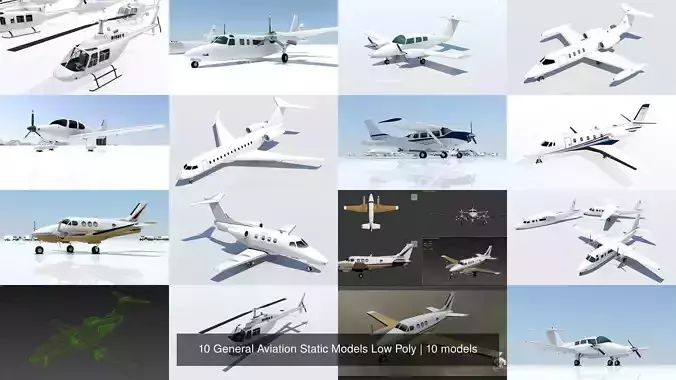
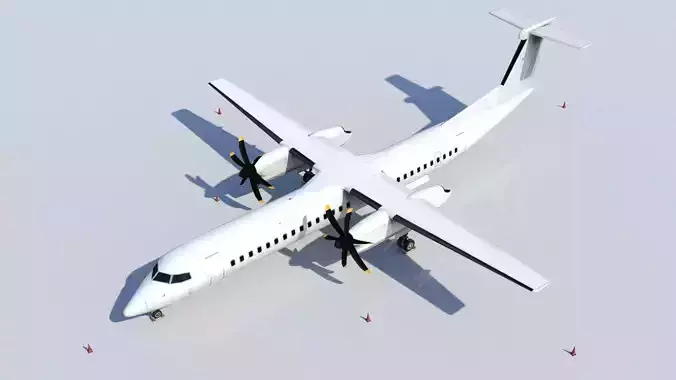
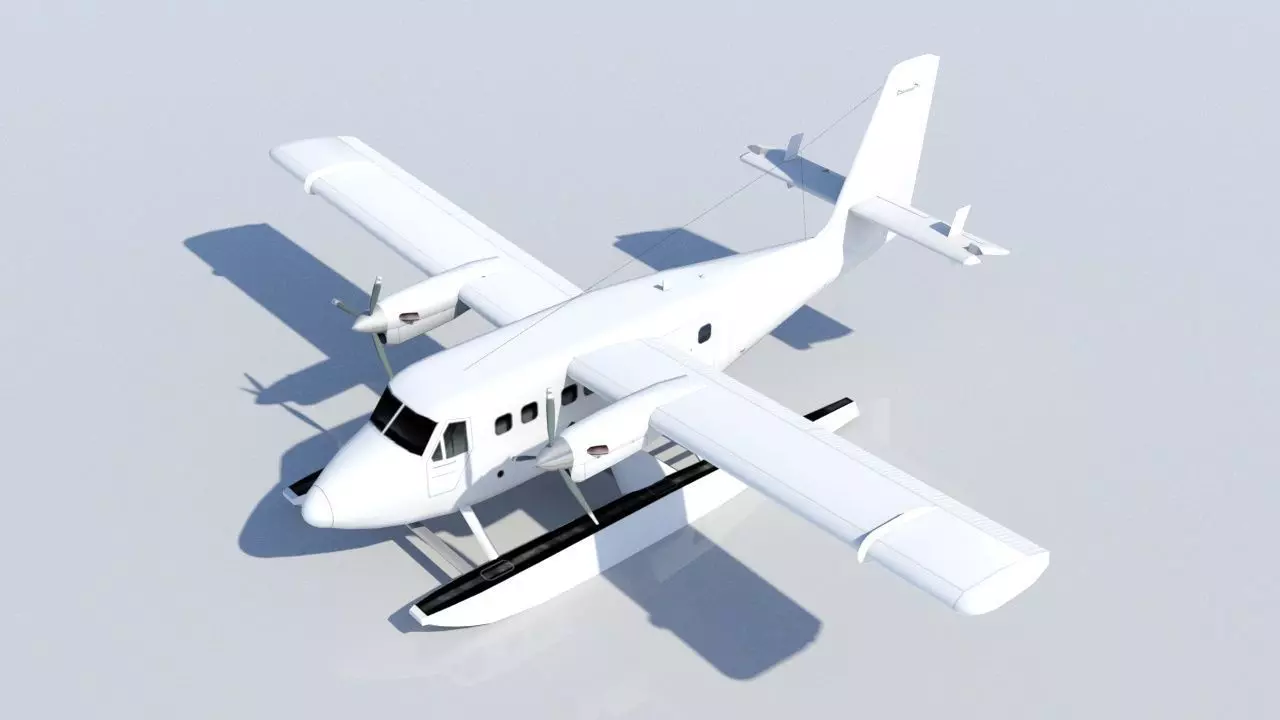
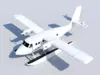
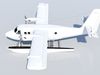
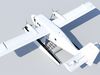
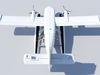
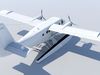
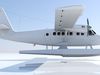
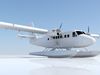
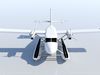
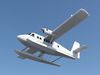
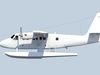
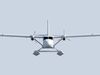
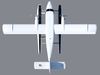
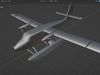
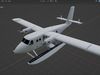
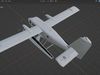
This is 3D low-poly model, optimized for minimal complexity with less than 5000 polygons. Despite its low polygon count, the model accurately captures the iconic design and aerodynamic features of the Twin Otter, making it ideal for real-time rendering in games or simulations. The model comes with a blank 2048x2048 layered texture, providing a clean slate for customization. This allows you to apply your own color schemes, decals, or airline branding. The layered structure of the texture file offers flexibility in modifying different parts of the aircraft separately, such as the fuselage, wings, engines, and tail. this model is simple, accurated, making it a versatile asset for any 3D project.

Important note: Contact me if you have any question about my products ill ‘be ready to provide full answer and support. Can’t find a model you need? Write me a message.this is a static, non rigged, non animated, Lowpoly mesh, blank layered 2048 psd template layered texture, for MSFS, XPlane, any other sim, game or media related Scenery Airport development , standard materials, enough detailed just to be seen as part of an scene without consuming GPU resources

thanks for looking! dont forget to check my other models

REVIEWS & COMMENTS

See what other buyers think about this model - real feedback on quality,
accuracy, and usability.
View all
0
0
3
Robinson17
Robinson17Community member
This user is part of the CGTrader community
Good work...
clickshop3d
clickshop3dCommunity member
This user is part of the CGTrader community
good
BEST PRICE GUARANTEED
Found this model cheaper on another marketplace? Let our support team know - we’ll match it.

DHC-6 Twin Otter Floats Static Low Poly Low-poly 3D model

Royalty Free License (no AI)
Hire
Like this model to show appreciation to the designer.
See how many times this model was viewed.
Share this model to support the designer and boost their visibility.
Native file format
MAX
Size: 1.18 MB
Exchange formats
BLEND
Blender<br />File Size: 1.25 MB
OBJ
OBJ | 2 files<br />File Size: 674 KB
FBX
Autodesk FBX<br />File Size: 152 KB
GLTF
glTF | 2 files<br />File Size: 13.6 MB
3DS
3D Studio<br />File Size: 118 KB
Provided by designer
Information and details shared directly by the model's designer.
3D Features
The model includes animations (movement or actions) that can be played in supported software or engines.
The model has a skeleton or bone structure, making it ready for posing or animation.
PBR
Uses Physically Based Rendering materials, which give the model realistic lighting and surface properties.
Textures
The model includes image files (textures) that add color, patterns, or detail to its surfaces.
Materials
The model has material settings that define how surfaces look (color, shine, transparency, etc.).
UV Mapping
The model's surfaces are mapped to a 2D image, allowing textures to display correctly.
Plugins Used
Some external plugins were used to create the model. These may be required for full functionality.
3D printing
Indicates whether the designer marked this model as suitable for 3D printing.
Model is not 3D printable
The designer indicates this model is intended for digital use only (rendering, animation, or AR/VR) and not for 3D printing.
Geometry
Polygon mesh
A model built from polygons (triangles or quads) connected in a mesh.
1854 polygons
The total number of polygons (flat shapes) that make up the 3D model.
/ 2118 vertices
The number of points (corners) that define the shape of the model's polygons.
Unwrapped UVs
Publish date
Model ID
Chat