High-quality 3D assets at affordable prices — trusted by designers, engineers, and creators worldwide. Made with care to be versatile, accessible, and ready for your pipeline.
Included File Formats
This model is provided in 14 widely supported formats, ensuring maximum compatibility:
• - FBX (.fbx) – Standard format for most 3D software and pipelines
• - OBJ + MTL (.obj, .mtl) – Wavefront format, widely used and compatible
• - STL (.stl) – Exported mesh geometry; may be suitable for 3D printing with adjustments
• - STEP (.step, .stp) – CAD format using NURBS surfaces
• - IGES (.iges, .igs) – Common format for CAD/CAM and engineering workflows (NURBS)
• - SAT (.sat) – ACIS solid model format (NURBS)
• - DAE (.dae) – Collada format for 3D applications and animations
• - glTF (.glb) – Modern, lightweight format for web, AR, and real-time engines
• - 3DS (.3ds) – Legacy format with broad software support
• - 3ds Max (.max) – Provided for 3ds Max users
• - Blender (.blend) – Provided for Blender users
• - SketchUp (.skp) – Compatible with all SketchUp versions
• - AutoCAD (.dwg) – Suitable for technical and architectural workflows
• - Rhino (.3dm) – Provided for Rhino users
Model Info
• - All files are checked and tested for integrity and correct content
• - Geometry uses real-world scale; model resolution varies depending on the product (high or low poly)
• • - Scene setup and mesh structure may vary depending on model complexity
• - Rendered using Luxion KeyShot
• - Affordable price with professional detailing
Buy with confidence. Quality and compatibility guaranteed.
If you have any questions about the file formats, feel free to send us a message — we're happy to assist you!
Sincerely,
SURF3D
Trusted source for professional and affordable 3D models.
More Information About 3D Model :
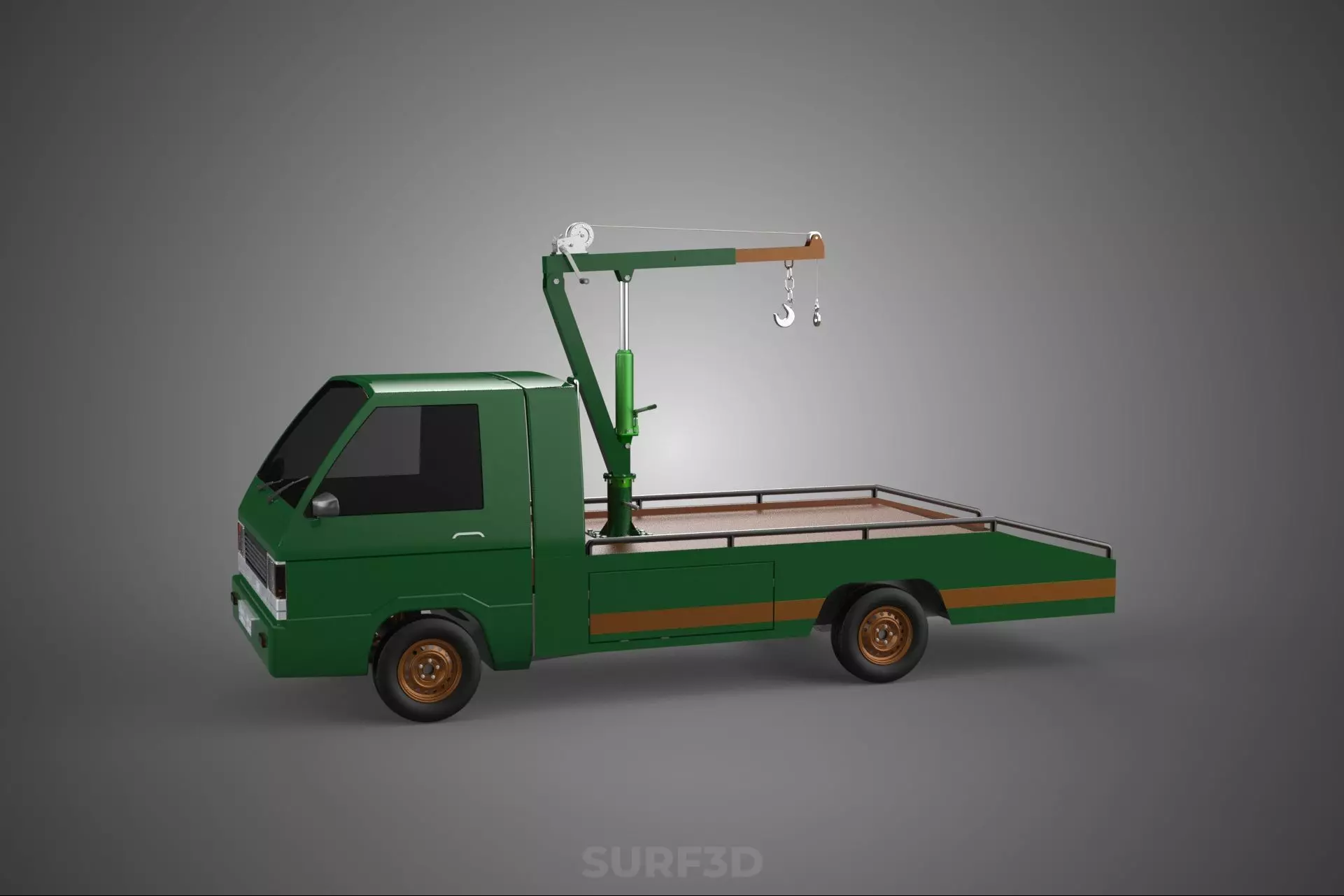
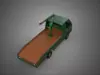
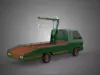
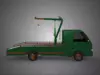
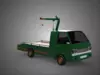
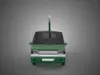
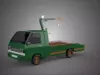
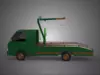
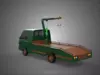
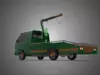
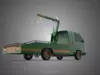
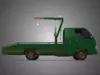
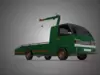
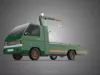
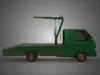
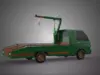
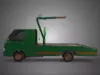
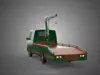
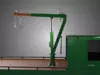
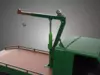
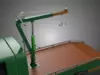
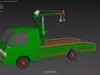
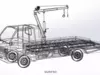
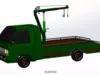
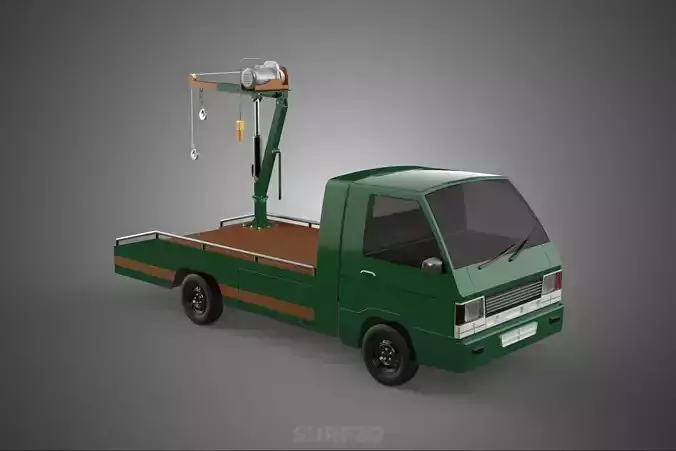
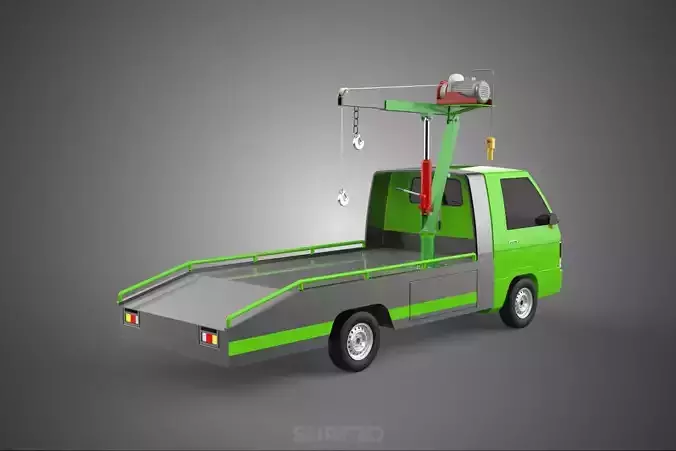
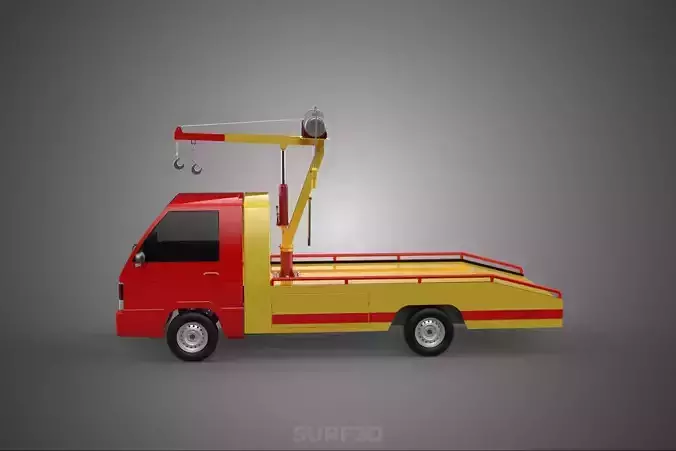
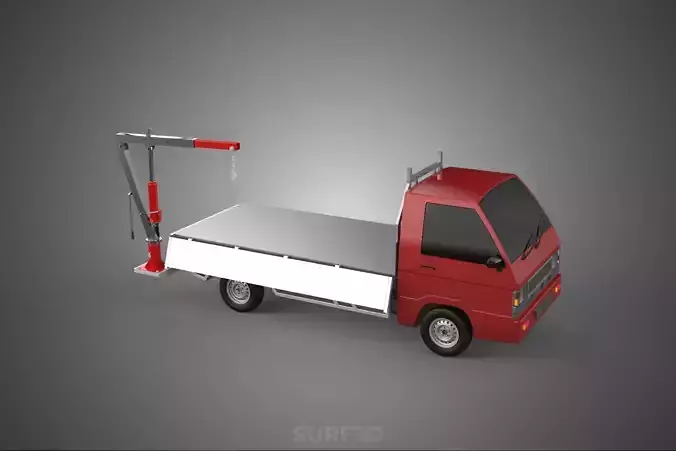
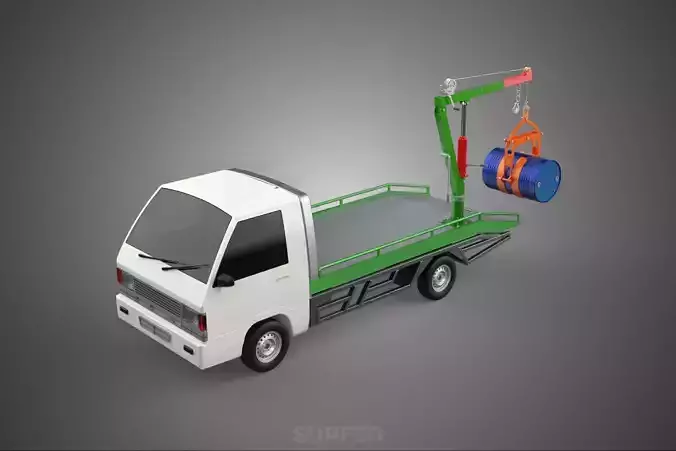
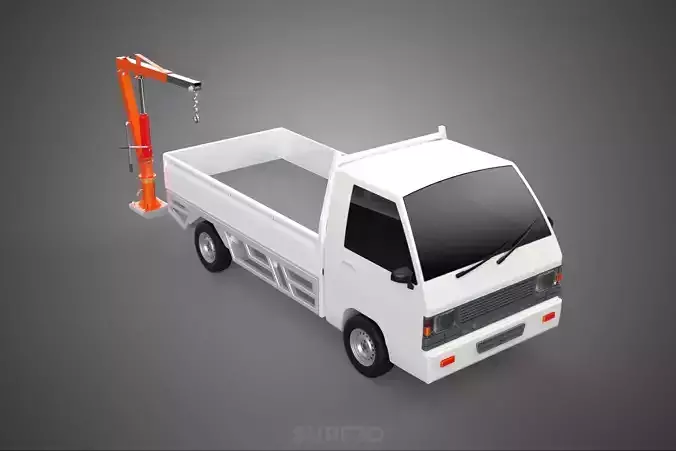
MILITARY ARMY FLATBED LIFTING CRANE HOOK TACTICAL RECOVERY TRUCK
A Military Army Flatbed Lifting Crane Hook Tactical Recovery Truck is a highly specialized, heavy-duty wheeled vehicle designed for critical support operations within military and defense contexts. This versatile platform integrates the capabilities of a transport vehicle, a mobile crane, and a dedicated recovery asset, making it indispensable for maintaining operational readiness and ensuring the mobility of forces across diverse and often challenging terrains.
Purpose and Role:
The primary function of this vehicle is the tactical recovery and transport of disabled, damaged, mired, or otherwise immobilized military equipment, including tanks, armored personnel carriers, artillery pieces, and other heavy vehicles. Beyond recovery, its flatbed component enables the transportation of various payloads, such as containers, engineering equipment, or bridge sections, while the integrated crane facilitates lifting operations essential for construction, demolition, or logistical support in forward operating environments. Its tactical designation emphasizes its design for rapid deployment and operation in austere, off-road, and potentially hostile conditions, often in close proximity to combat zones.
Design and Components:
These vehicles are typically built upon robust, multi-axle (e.g., 6x6, 8x8, 10x10) heavy-duty truck chassis, engineered for extreme durability, cross-country mobility, and high payload capacities. Key components include:
- Chassis and Powertrain: Featuring powerful, high-torque diesel engines, heavy-duty automatic or manual transmissions, and advanced all-wheel-drive systems (often with selectable traction control and differential locks), enabling exceptional off-road performance over soft ground, steep gradients, and uneven terrain.
- Flatbed Platform: An expansive, reinforced load bed forms the primary cargo area. This platform is typically equipped with robust tie-down points, and may feature hydraulic ramps, twist locks for ISO containers, or specialized mounts to secure various types of military equipment or casualties.
- Lifting Crane System: A hydraulically operated crane, often a telescopic boom or knuckle-boom type, is integrated into the vehicle's frame. This crane is equipped with a substantial lifting hook block and is capable of significant lifting capacities, ranging from several tons to over 50 tons, depending on the vehicle's class. The crane facilitates the lifting of damaged vehicles, positioning heavy loads, or assisting with engineering tasks.
- Recovery Winches: Complementing the crane, multiple high-capacity hydraulic winches are standard. A primary recovery winch, often with tens of thousands of pounds of pulling force, is used for extracting mired or disabled vehicles, while auxiliary winches may be present for self-recovery or lighter pulling tasks. These systems typically incorporate extensive lengths of steel wire rope or synthetic fiber rope.
- Stabilization Systems: To ensure stability during heavy lifting or winching operations, the vehicle is equipped with hydraulic outriggers or spades that extend laterally or rearward, distributing the load and preventing tipping.
- Crew Protection and Tactical Features: Given their intended operational environment, many modern variants feature armored cabs to protect the crew from small arms fire, artillery fragments, and improvised explosive devices (IEDs). Other tactical enhancements include run-flat tire inserts, central tire inflation systems (CTIS), blackout lighting, NBC (Nuclear, Biological, Chemical) protection systems, advanced communications suites, and battle damage repair capabilities.
- Ancillary Equipment: Recovery trucks also carry a comprehensive array of specialized tools and equipment, such as tow bars, snatch blocks, chains, shackles, cutting equipment, and various vehicle-specific recovery adapters.
Operational Deployment:
These vehicles are deployed across the full spectrum of military operations, from logistics and sustainment roles in rear areas to forward tactical positions. Their utility is critical in post-combat environments for clearing battlefields of damaged equipment, supporting rapid redeployment of forces, and maintaining operational momentum by rapidly restoring disabled assets to service or removing obstacles. They also play a vital role in military engineering projects, humanitarian assistance, and disaster relief operations, where their lifting and transport capabilities are invaluable.
Nomenclature and Variants:
While the specific designation Military Army Flatbed Lifting Crane Hook Tactical Recovery Truck is descriptive, these vehicles are often referred to by more concise military nomenclature, such as Heavy Recovery Vehicles (HRV), Wrecker Trucks, Logistic Support Vehicles (LSV) with recovery modules, or specific military designations like the M88 Recovery Vehicle (though the M88 is tracked, it serves a similar recovery function) or various HEMTT (Heavy Expanded Mobility Tactical Truck) variants equipped with recovery systems. Designs vary widely to accommodate different military doctrines, environmental conditions, and specific equipment classes.
Significance:
The continuous availability of functional military assets is paramount to operational success. The Military Army Flatbed Lifting Crane Hook Tactical Recovery Truck plays a pivotal role in achieving this by ensuring the timely recovery and repair or removal of high-value equipment, thereby reducing equipment losses, maintaining force strength, and enabling sustained combat and support operations.