High-quality 3D assets at affordable prices — trusted by designers, engineers, and creators worldwide. Made with care to be versatile, accessible, and ready for your pipeline.
Included File Formats
This model is provided in 14 widely supported formats, ensuring maximum compatibility:
• - FBX (.fbx) – Standard format for most 3D software and pipelines
• - OBJ + MTL (.obj, .mtl) – Wavefront format, widely used and compatible
• - STL (.stl) – Exported mesh geometry; may be suitable for 3D printing with adjustments
• - STEP (.step, .stp) – CAD format using NURBS surfaces
• - IGES (.iges, .igs) – Common format for CAD/CAM and engineering workflows (NURBS)
• - SAT (.sat) – ACIS solid model format (NURBS)
• - DAE (.dae) – Collada format for 3D applications and animations
• - glTF (.glb) – Modern, lightweight format for web, AR, and real-time engines
• - 3DS (.3ds) – Legacy format with broad software support
• - 3ds Max (.max) – Provided for 3ds Max users
• - Blender (.blend) – Provided for Blender users
• - SketchUp (.skp) – Compatible with all SketchUp versions
• - AutoCAD (.dwg) – Suitable for technical and architectural workflows
• - Rhino (.3dm) – Provided for Rhino users
Model Info
• - All files are checked and tested for integrity and correct content
• - Geometry uses real-world scale; model resolution varies depending on the product (high or low poly)
• • - Scene setup and mesh structure may vary depending on model complexity
• - Rendered using Luxion KeyShot
• - Affordable price with professional detailing
Buy with confidence. Quality and compatibility guaranteed.
If you have any questions about the file formats, feel free to send us a message — we're happy to assist you!
Sincerely,
SURF3D
Trusted source for professional and affordable 3D models.
More Information About 3D Model :
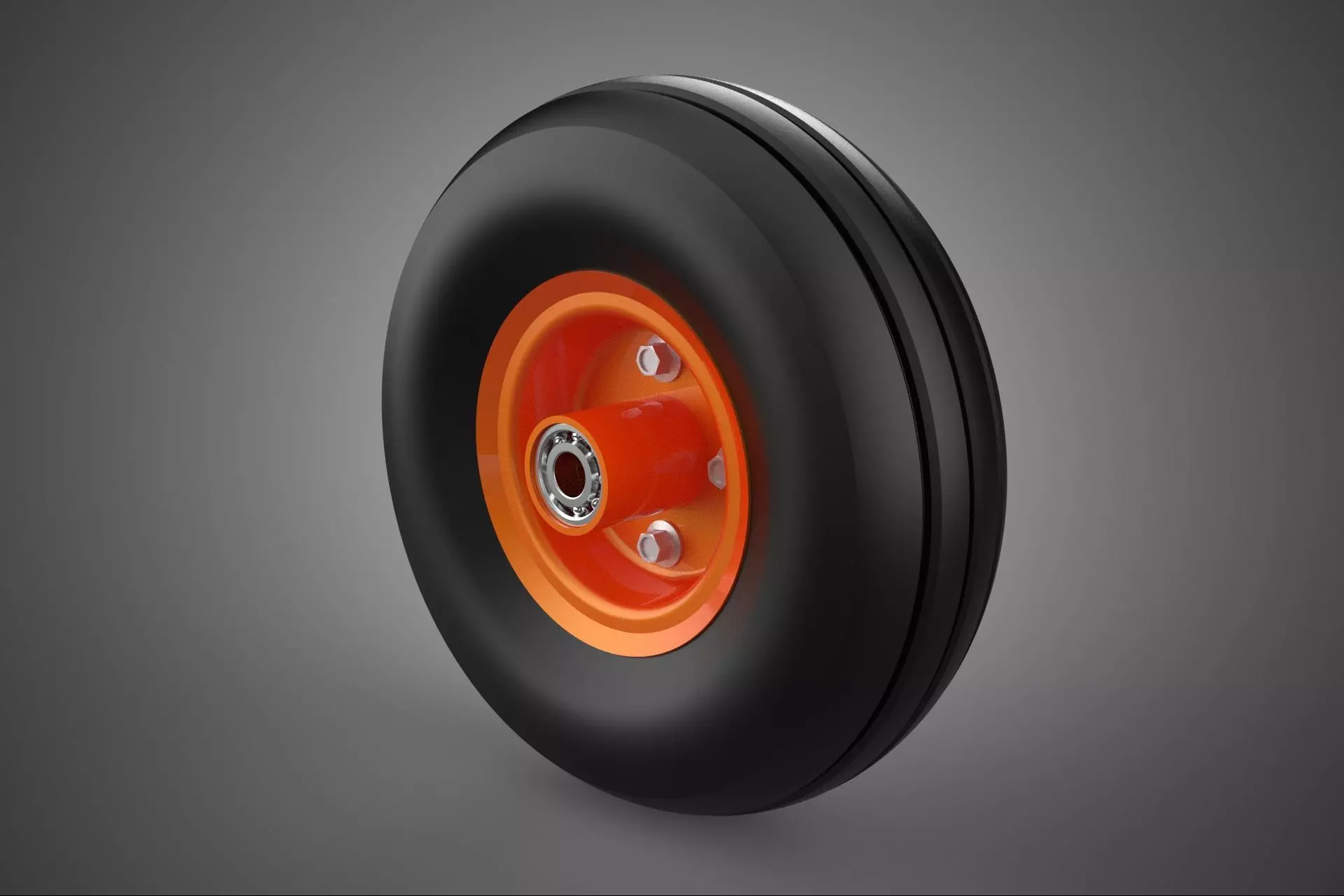
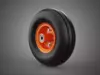
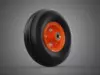
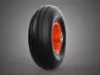
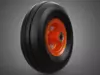
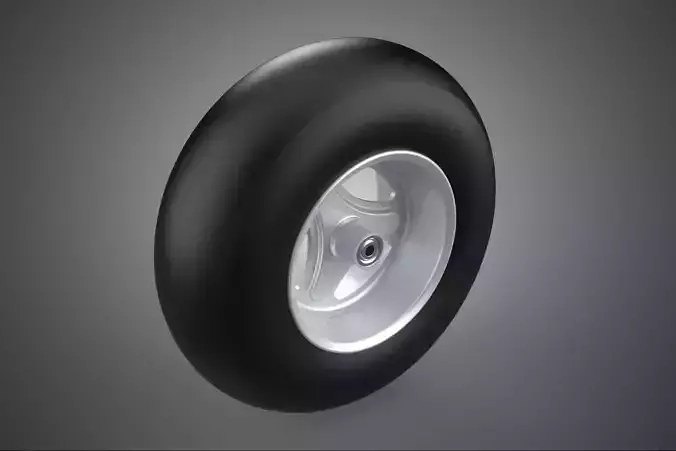
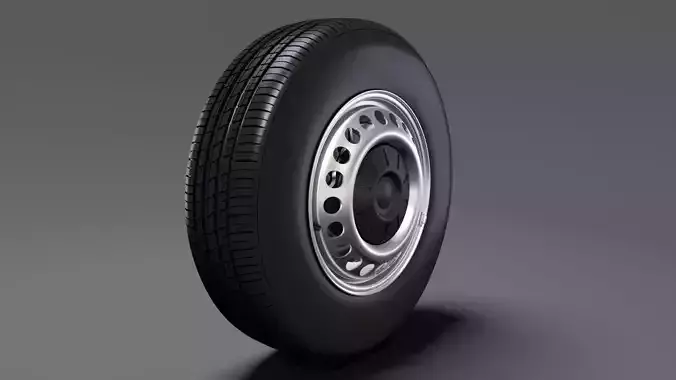
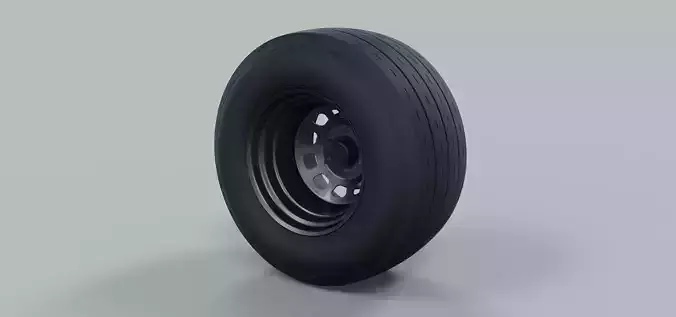
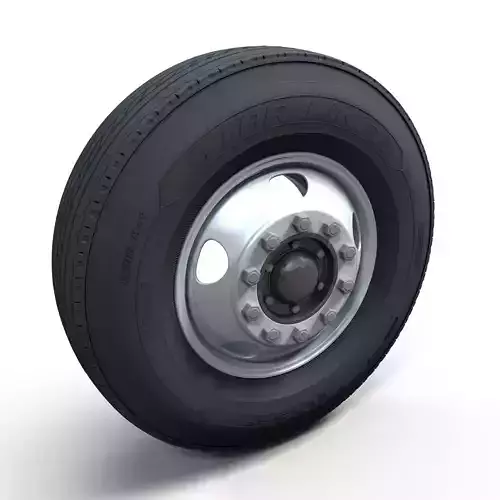
STANDARD WHEEL TIRE RIM AXLE HUB CART TROLLEY BARROW BEARING KIT
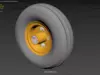
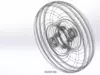
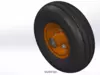
The Standard Wheel, Tire, Rim, Axle, Hub, Cart, Trolley, Barrow Bearing Kit (often abbreviated as a Utility Wheel Assembly Kit) refers to a standardized, modular collection of mechanical components designed to facilitate rotational locomotion in light-to-medium duty, non-powered utility vehicles. This kit encompasses all primary elements required to convert a static chassis into a mobile platform, emphasizing durability, maintainability, and load-bearing capacity suitable for common material handling applications such as hand trucks, utility carts, wheelbarrows, dollies, and industrial trolleys.
The standardization of these kits is crucial, allowing for efficient repair and replacement of worn or damaged assemblies across diverse equipment manufactured by different vendors, provided the bore size and load ratings are consistent with the application requirements.
---
I. Component Classification and Function
A typical standard utility wheel assembly kit is organized around three functional subsystems: the rolling element, the central structural interface, and the friction reduction element.
A. The Rolling Element (Wheel, Tire, and Rim)
This subsystem constitutes the interface between the vehicle and the ground, responsible for absorbing shock and providing traction.
- Rim: The structural circular component, typically constructed from pressed steel, heavy-duty polymers, or occasionally aluminum alloy, upon which the tire is mounted. Rims are specified by their diameter (D) and width (W) and are critically sized to accommodate the bearing bore requirements of the hub.
- Tire: The exterior covering providing grip and cushioning. Tires are classified primarily by their internal construction and inflation status:
- Pneumatic Tires: Require inflation and offer superior shock absorption and traction on uneven terrain. They are susceptible to punctures.
- Solid/Semi-Pneumatic Tires (Foam-Filled or Solid Rubber/Polyurethane): Offer complete puncture resistance and high load capacity but provide less cushioning. These are favored in high-hazard environments or when low maintenance is paramount.
- Wheel: The combination of the rim and the mounted tire, defining the final rolling diameter and tread surface.
#### B. The Central Structural Interface (Hub and Axle)
This system manages the connection between the rotating wheel assembly and the stationary chassis structure.
- Hub: The central cylindrical or conical body of the wheel, which houses the bearing assembly and provides the mounting surface for the rim. The hub's dimensions are defined primarily by the bore diameter required to accept the axle shaft. Hubs may incorporate specialized fittings for grease injection (if sealed bearings are not used).
- Axle: The shaft, which may be stationary or rotating, passing through the bore of the hub assembly.
- Stationary Axle: The most common configuration for utility carts, where the axle is fixed to the vehicle frame, and the wheel rotates around it via the bearings. Retention hardware (e.g., cotter pins, lock nuts, or split rings) secures the hub assembly laterally on the shaft.
- Rotating Axle: Less common in manual utility equipment, typically found in drive systems where the shaft turns simultaneously with the wheels.
#### C. The Friction Reduction Element (Bearing Kit)
The bearing kit is essential for minimizing the coefficient of friction, thereby reducing the manual force required to move the loaded equipment.
- Ball Bearings: Precision components utilizing hardened steel spheres held within raceways, providing low rolling resistance and high speed capability (though speed is rarely a factor in manual equipment). They are widely used due to their robust load distribution characteristics. Kits often feature sealed ball bearings (e.g., 6203, 6001 series standards) requiring no maintenance lubrication.
- Roller Bearings: Used for higher radial load applications, often utilizing cylindrical or tapered rollers.
- Bushings (Plain Bearings): Simple, inexpensive friction reduction components made typically from sintered metal (bronze or iron) or heavy-duty plastic (e.g., nylon). Bushings are preferred in low-speed, high-impact applications where occasional lubrication is acceptable, or the rotational duty cycle is minimal (e.g., budget wheelbarrows).
### II. Standardization and Load Rating
Standardization in utility wheel kits is primarily governed by the axle diameter (bore size), the hub length (distance between bearing faces), and the overall load rating (measured in kilograms or pounds). Selection of the appropriate kit depends entirely on the maximum static and dynamic load capacity required by the application. Exceeding the rated capacity of the bearings or the wheel structure leads to premature failure, excessive wear, and potential structural collapse.
---
KEYWORDS: Wheel, Tire, Rim, Axle, Hub, Bearing, Cart, Trolley, Barrow, Hand truck, Dolly, Utility, Component, Kit, Assembly, Pneumatic, Solid tire, Locomotion, Rotation, Load capacity, Standardized, Replacement, Maintenance, Ball bearing, Bushing, Axle shaft, Modular, Industrial equipment, Rolling resistance, Bearing bore