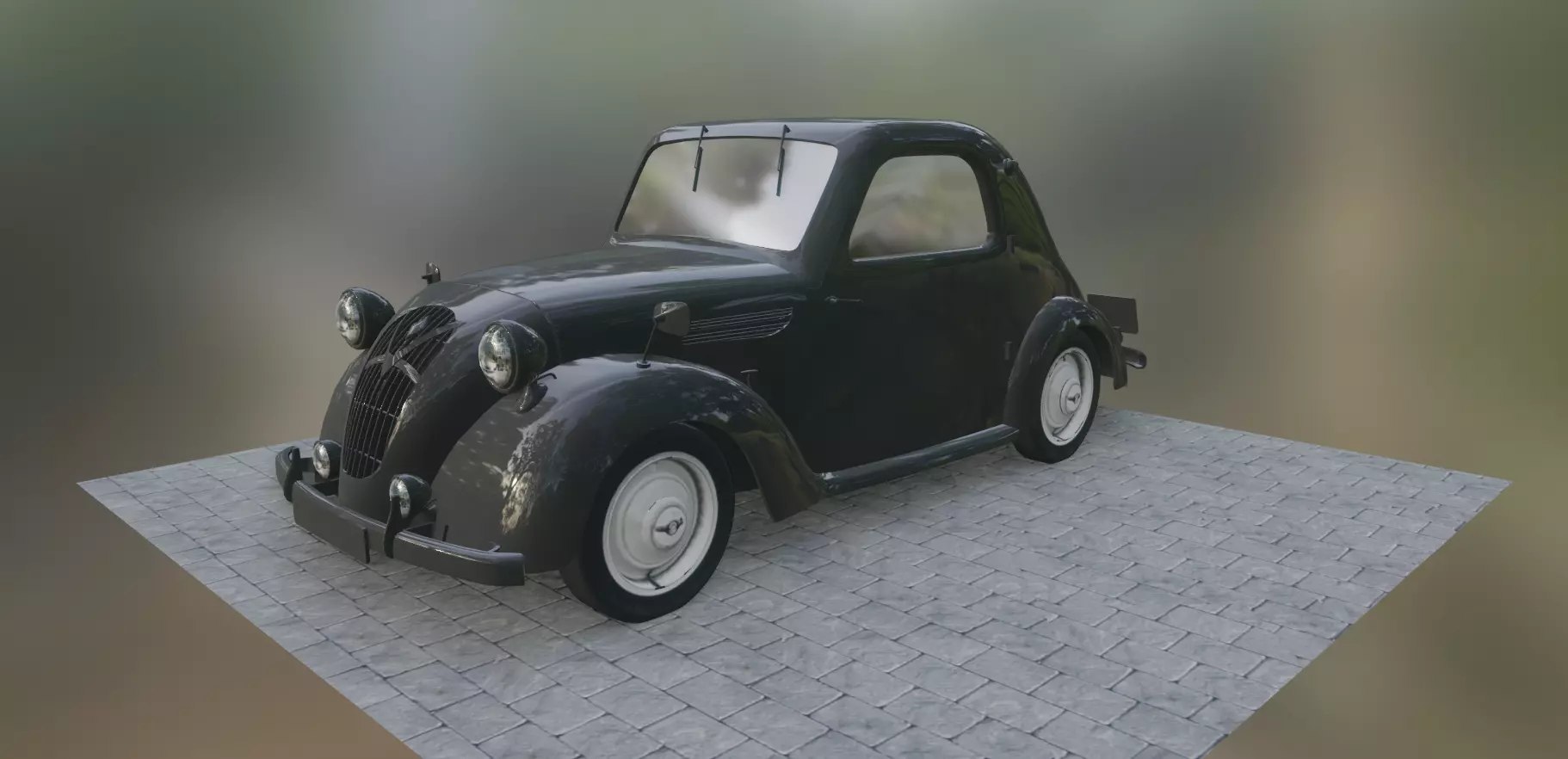
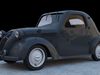
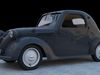
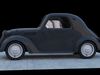
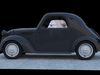
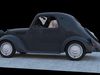
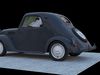
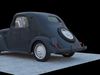
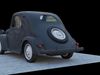
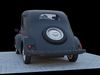
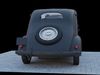
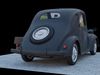
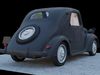
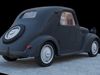
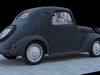
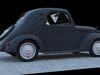
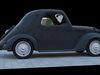
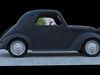
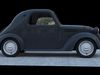
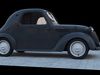
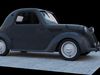
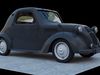
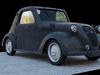
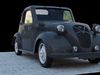
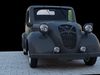
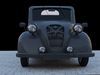
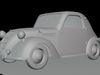
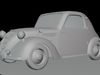
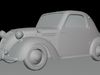
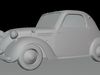
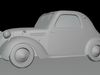
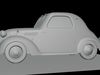
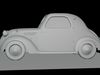
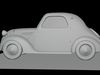
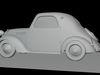
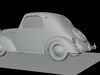
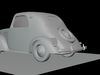
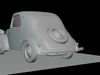
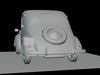
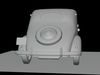
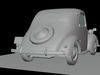
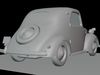
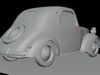
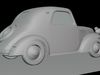
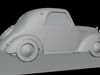
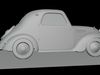
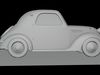
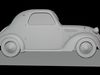
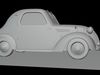
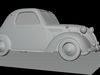
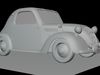
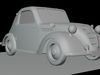
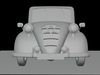
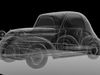
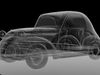
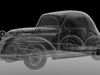
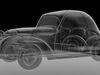
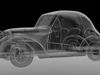
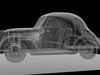
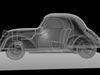
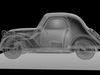
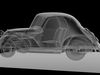
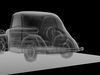
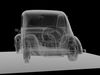
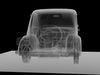
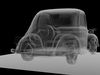
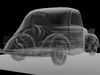
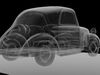
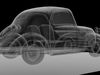
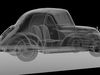
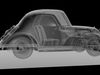
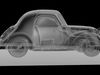
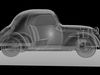
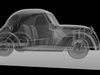
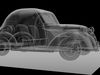
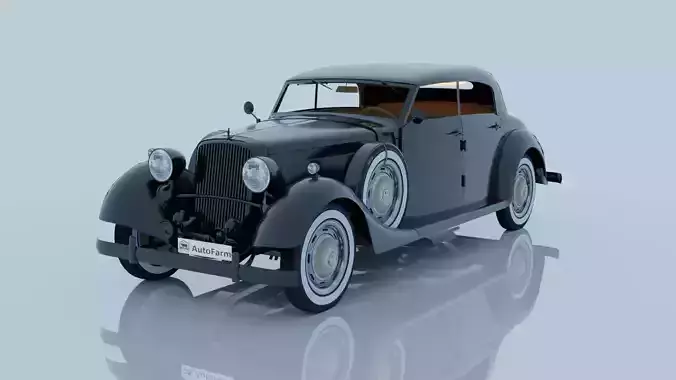
The Simca 5 is a small Franco-Italian passenger car designed, by Fiat engineers at Turin. It was produced and sold in France by Simca. It was virtually identical to the Fiat 500 Topolino on which it was based, but was first presented, at the company's new Nanterre plant, three months ahead of the Fiat equivalent on 10 March 1936. Production was delayed, however, by a wave of strikes, that accompanied the June 1936 electoral victory of Léon Blum's Popular Front government. The manufacturer boasted at the time of its launch of being ahead of the plans across the Rhine: this was a reference to the already rumoured launch of the Volkswagen Beetle which would appear only in 1938.Advanced features included independent front suspension, a four speed gear box, hydraulically controlled drum brakes on all four wheels and a twelve volt electrical system. The Simca 5 also offered exceptional fuel economy. In a test it managed to travel 110 kilometers on just 5 litres of fuel, which equates to 4.545 L/100km or 51.75 mpg
La Simca 5 est une petite voiture de tourisme franco-italienne conçue, par les ingénieurs de Fiat à Turin. Il a été produit et vendu en France par Simca. Elle était pratiquement identique à la Fiat 500 Topolino sur laquelle elle était basée, mais a été présentée pour la première fois, dans la nouvelle usine de Nanterre, trois mois avant l'équivalent Fiat le 10 mars 1936. La production a cependant été retardée par une vague de grèves. , qui accompagne la victoire électorale de juin 1936 du gouvernement de Front populaire de Léon Blum. Le constructeur se vantait au moment de son lancement d'être en avance sur les « plans outre-Rhin » : il s'agissait d'une référence au lancement déjà répandu de la Coccinelle Volkswagen qui n'apparaîtrait qu'en 1938.Les caractéristiques avancées comprenaient une suspension avant indépendante, une boîte de vitesses à quatre vitesses, des freins à tambour à commande hydraulique sur les quatre roues et un système électrique de douze volts. La Simca 5 offrait également une économie de carburant exceptionnelle. Lors d'un test, il a réussi à parcourir 110 kilomètres avec seulement 5 litres de carburant, ce qui équivaut à 4,545 L/100 km ou 51,75 mpg
El Simca 5 es un pequeño automóvil de pasajeros franco-italiano diseñado por ingenieros de Fiat en Turín. Fue producido y vendido en Francia por Simca. Era prácticamente idéntico al Fiat 500 Topolino en el que se basaba, pero se presentó por primera vez en la nueva planta de Nanterre de la empresa, tres meses antes que el equivalente de Fiat el 10 de marzo de 1936. Sin embargo, la producción se retrasó debido a una ola de huelgas. , que acompañó a la victoria electoral de junio de 1936 del gobierno del Frente Popular de Léon Blum. El fabricante se jactó en el momento de su lanzamiento de estar por delante de los planes del otro lado del Rin: esto era una referencia al ya rumoreado lanzamiento del Volkswagen Beetle que no aparecería hasta 1938.Las características avanzadas incluyen suspensión delantera independiente, una caja de cambios de cuatro velocidades, frenos de tambor controlados hidráulicamente en las cuatro ruedas y un sistema eléctrico de doce voltios. El Simca 5 también ofreció una economía de combustible excepcional. En una prueba logró recorrer 110 kilómetros con solo 5 litros de combustible, lo que equivale a 4.545 L / 100km o 51.75 mpg.